
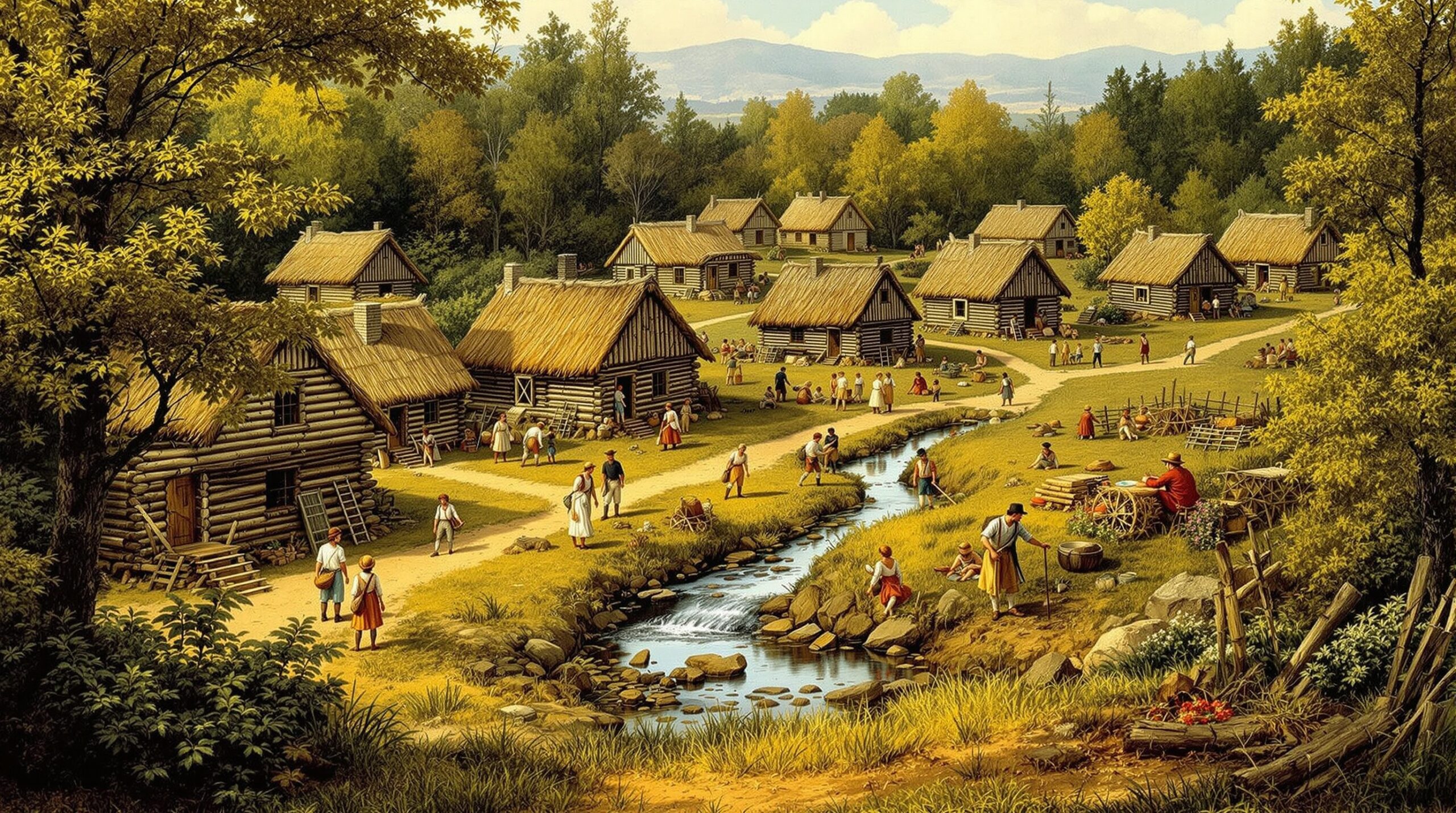
Journey to an Untamed Land
Imagine stepping out of a time machine and landing in a raw, wild land, where the air is fresh and the trees reach high into the sky. It’s the 18th century, and you find yourself in a place that will one day be known as Orange, Virginia. The hills roll like waves, and streams sparkle like jewels in the sunlight. But this breathtaking landscape is more than just a pretty picture—it’s the backdrop for brave men and women who dreamed of a new life.
As you walk along the dirt paths that these early settlers once tread upon, you can almost hear their stories whispered by the winds that rustle through the leaves. They faced fierce challenges, from navigating dense forests to battling the elements, all while pursuing their dreams in an untamed land. Each step they took marked the beginning of a journey full of hope and aspiration. With the promise of freedom and opportunity pulling them forward, these settlers ventured from their homes, seeking a fresh start.
A New Home Amongst the Wilderness
In this wild expanse, they faced many obstacles: thick brush, wild animals, and the uncertainty of the unknown. Yet, it was here they found a community—a chance to build a new home. As we explore the rich history of Orange, Virginia, we unravel the stories of those first settlers who dared to dream, their struggles and triumphs laying the foundation for generations to come.
Setting Roots: The Arrival of the First Settlers in Orange, VA
As the first settlers set foot in what is now known as Orange, Virginia, they were greeted by a landscape that was both alluring and daunting. Nestled between the rolling hills of the Blue Ridge Mountains and flowing rivers, the area promised fertile land and abundant natural resources. But the promise of prosperity came hand-in-hand with uncertainty.
Upon their arrival, these hardy pioneers quickly set to work transforming the wilderness into a place they could call home. With axes in hand and resolve in their hearts, they cleared patches of dense forest to make way for homes and farmlands. The echoes of their labor rang through the valleys as they constructed sturdy log cabins, using trees as both shelter and a symbol of their determination. It wasn’t just about building structures; they were erecting the very foundation of a community.
Of course, with each nail they hammered and each furrow they plowed, the settlers formed bonds with the land—and each other. Families worked side by side, relying on one another not just for survival but for social connection, creating a tight-knit society. To understand the depth of their perseverance, it’s essential to look at the demographics of these early settlers and the roles they played:
| Settler Role | Estimated Percentage | Key Responsibilities |
|---|---|---|
| Farmers | 60% | Cultivating crops, raising livestock |
| Craftsmen | 20% | Building tools, making clothes, creating furniture |
| Traders | 15% | Bartering goods, establishing trade routes |
| Community Leaders | 5% | Creating laws, settling disputes, organizing community events |
The diversity in roles reflects the varied talents and skills that each settler brought into their new world. While the farmers toiled under the sun to provide sustenance, craftsmen used their artistry to adapt their environment to better serve their needs. Traders established vital connections with neighboring settlements, ensuring that essential supplies were always within reach. It was this interdependence that would become a hallmark of the Orange community.
But settlement also held a deeper promise of freedom—freedom from the constraints of their previous lives, freedom to define their own destinies, and freedom to cultivate not only the land but also their identities as Virginians. As they built homes and established crops, they laid down roots that would nourish future generations. Their courage and aspirations carved the path for a flourishing community, rich in tradition and ambition, waiting to be explored in the unfolding tapestry of Orange’s history.
As we trace their steps through time, we recognize that the settlers were not merely surviving; they were nurturing the seeds of a vibrant society. However, both their grit and their dreams would be tested by the challenges that lay ahead. The journey was just beginning, and every hardship faced would only strengthen their resolve. In the next section, we will explore the adversities they encountered and how their resilience shaped the community of Orange, Virginia.
Challenges and Resilience: Overcoming the Frontiers
As the settlers of Orange, Virginia, began to carve out their new lives, they encountered challenges that would test their resilience and define their community for years to come. The lush landscape, while promising, harbored dangers: harsh winters, diseases, and the looming presence of Native American tribes who had thrived in these lands long before the newcomers arrived. Each obstacle was met with determination and innovation—qualities that would become the bedrock of their identity.
The early settlers faced the relentless challenge of adapting to an unfamiliar environment. They were no strangers to hard work, but the Virginia wilderness demanded more than mere labor; it required an understanding of the land’s intricacies. Crops that thrived in their homeland sometimes withered under the sun’s fierce glare, and alien soil presented its own constraints. They turned to experimentation, learning through trial and error which seeds prospered and which did not. This spirit of adaptation extended beyond farming. Residents came together to share knowledge and resources, fostering practices that blended their European agricultural techniques with the Native American methods they observed.
Just as they were learning from the land, the settlers were also beginning to engage with the local Indigenous populations. These encounters were not merely transactional; they held the potential for rich cultural exchanges. However, they were often fraught with tension and misunderstandings. The settlers’ aspirations for land ownership clashed with the Native communities’ perspectives on land—representing stewardship rather than possession. This tension, compounded by the settlers’ relentless expansion, led to conflicts that would have lasting implications. Yet, amidst the struggles, there emerged opportunities for dialogue and cooperation. Some settlers formed alliances with Native groups, learning vital survival skills that helped them endure the trials of their new environment.
Moreover, the settlers’ resilience was tested by external pressures from a rapidly changing world. The colonial ambitions of European powers were felt even in the frontier lands of Virginia. As competing interests poured into North America, settlers had to navigate a landscape influenced by imperial politics and shifting alliances. Colonial governance began to assert its influence, prompting settlers to organize themselves politically, forming early forms of local government to protect their interests. They found strength in unity, rallying together to face the challenges posed by colonial authorities and external threats.
Significantly, the settlers’ cultural landscape was complex and evolving. Each hardship faced prompted them not only to fortify their defenses but also to flesh out their social structure. Community gatherings became a vital avenue for sharing stories of resilience, fostering bonds among families, and reinforcing their cultural identity. The settlers began to cultivate a unique cultural identity, one that blended their European roots with elements of the indigenous cultures around them. This synergy would lay the groundwork for a rich tradition, evident in local folklore, festivals, music, and art that celebrated both survival and solidarity.
Through the lens of adversity, we see how the settlers of Orange, Virginia, transformed challenges into stepping stones for resilience. Each difficulty faced and each setback endured shaped the very fabric of their new community, forging an indomitable spirit that would resonate through generations. This journey of overcoming challenges is not just a historical footnote; it is a testament to human tenacity. As we turn our focus next to the settlers’ cultural encounters and their interactions with Native communities, we will uncover how these relationships further shaped the identity of Orange, setting a precedent for coexistence and communal growth amidst diversity.
Cultural Encounters: Interactions with Native Communities
The interactions between the settlers of Orange, Virginia, and the Indigenous tribes that had called the region home for centuries were pivotal in shaping both communities, not just physically, but culturally and socially as well. These encounters, often complex and layered, invited both cooperation and conflict as settlers sought to navigate their uncharted world.
Initially, the settlers arrived with a mix of trepidation and curiosity. Although they came with aspirations of land conquest and agricultural success, they could not ignore the presence and wisdom of those who had honed their understanding of the land for generations. The Native communities—comprised of diverse tribes with rich histories, traditions, and lifestyles—held an invaluable knowledge that the newcomers could not replicate solely through their European methods.
In many cases, both parties engaged in what can be understood as a reciprocal exchange of culture. The settlers, aiming to adapt to the new landscape, learned invaluable farming techniques from the Indigenous peoples, such as the cultivation of corn, beans, and squash—often referred to as the “Three Sisters.” This trio not only provided a nutritional balance but also thrived in a symbiotic relationship, demonstrating the Indigenous understanding of sustainability that was often absent from European methods. Through shared gatherings and cooperative farming efforts, both groups witnessed firsthand the potential for inclusivity, which sparked a kernel of mutual respect.
However, these positive interactions were not without tension. The extensive land needs of the settlers often clashed with the territorial rights of Native tribes. What the settlers perceived as ample land ripe for cultivation, Indigenous peoples viewed as sacred and intricately woven into their cultural identity. This conflict ignited frustrations on both sides and exacerbated suspicions. The settlers’ need for expansion pushed them to encroach upon traditionally held Indigenous lands, leading to skirmishes that would set the stage for future hostilities—a collision of two worlds, both equally valid in their claims and existence.
Despite the conflicts, there were moments of alliance and solidarity. Certain settlers and Native groups recognized the dangers posed by other colonial powers and internal rivalries between tribes. These alliances not only provided military support in times of strife but also facilitated cultural fusions, as one could find intermarriages and trade networks forming between settlers and Native communities. These relationships created channels for dialogue that allowed for the exchange of ideas, stories, and traditions, thus enriching the cultural tapestry of the burgeoning settlement.
Cultural festivals began to emerge, imbued with elements from both traditions, as communities sought to celebrate the land they shared. Rituals and storytelling became a means of connecting with one another, helping to form a collective identity. Songs, dances, and art infused with narratives from both settler and Native experiences became the means through which resilience was recorded and remembered. This cultural symbiosis allowed the settlers not only to survive but to thrive, embedding the influences of their Native neighbors within their own evolving culture.
As the settlers forged their path in the New World, their experiences with Native communities played an indispensable role in shaping their identity. They were not merely conquerors and settlers; they were participants in a complex cultural exchange that would influence customs, practices, and social structures. The collaborations established during these early years formed a foundation that celebrated diversity amidst challenges and paved the way for an adaptive community capable of growth and change.
In looking back at these cultural encounters, we can appreciate how the settlers of Orange, Virginia, navigated a world shaped by intersecting destinies. They emerged from the crucible of adversity not as monolithic groups but as dynamic communities molded by their interactions and shared experiences. As we move forward to explore the lasting contributions and the ways community formation evolved from these intersections of culture, we will uncover the powerful imprints of the past that continue to resonate in Orange today.
Imprints of the Past: Lasting Contributions and Community Formation
As the settlers and Native communities interwove their lives in Orange, Virginia, they contributed vibrant threads to a historical tapestry that narrates both conflict and collaboration. Today, these threads are not merely echoes of a bygone era; they are foundational elements that still influence the cultural and social landscapes of the region. The legacies left behind by these early interactions continue to shape the identity and community of Orange, acting as crucial reference points for understanding contemporary social dynamics.
The enduring impacts of their shared history can be observed through various lenses—agricultural practices, artistic expressions, cultural festivals, and community values. These dimensions not only tell of how the settlers adapted but also reflect the wisdom and resilience of the Indigenous tribes who navigated their own challenges in the face of tumultuous change.
One prominent aspect of this dual legacy lies in the agricultural techniques introduced and refined through Indigenous wisdom. The “Three Sisters” method of planting—integrating corn, beans, and squash in mutually beneficial ways—transcended mere farming; it fostered a sense of sustainability that defined community well-being. Here is a snapshot of the significant agricultural contributions that can be traced back to these early interactions:
| Agricultural Technique | Origin | Impact on Community |
|---|---|---|
| Three Sisters Agriculture | Indigenous Tribes | Promoted food security and created a sustainable ecosystem |
| Crop Rotation | European Settlers | Enhanced soil fertility and agricultural yield over time |
| Use of Native Plants (such as Blueberries and Blackberries) | Indigenous Knowledge | Broadened dietary diversity and established local foraging practices |
This agricultural fusion became a metaphorical lifeblood for the expanding community, showcasing how unity can arise from shared knowledge and interdependence. Farmers learned to read the land through both an Indigenous and settler perspective, crafting a new ethos around their shared resources. As crops flourished, so did the social interactions between the groups, leading to the establishment of communal gatherings—harvest festivals that combined various traditions, thus, laying the groundwork for a cohesive community identity.
Moreover, the bi-cultural tapestry of Orange manifested itself artistically through visual and performance arts. Artisans began to merge European techniques with Indigenous themes, leading to a unique form of expression reflective of the region’s narrative. These creative exchanges not only enriched the visual landscape but also fostered communal ties, where storytelling festivals saw participation from both settlers and Native representatives, allowing for mutual celebration and acknowledgment of each community’s heritage.
Even as the generations passed, the values rooted in these formative interactions continued to ripple throughout the community. The teachings of respect for land and nature, the importance of cooperation, and the resilience against adversity became the pillars upon which future generations built their identities. Families began to see themselves as custodians of a shared legacy, etched into the very soil of Orange.
In this way, the legacies birthed from the early engagements between the settlers and Native communities serve not just as historical markers, but as active agents of community formation. They draw vibrant lines connecting past to present, urging contemporary residents of Orange to reflect on their shared history while building a future intertwined with respect, collaboration, and understanding. In the chapters to follow, we will delve deeper into how these legacies are preserved through historical sites and remnant practices, offering tangible connections to the indelible imprint left by those who came before.
As we venture into the next chapter of Orange’s storied history, it’s essential to recognize that the remnants of the past still carry a vibrant resonance in the town’s present and future. The historical sites scattered throughout the area not only pay homage to the early settlers and Indigenous communities but also act as living museums, where the echoes of history reverberate through time. Each monument, structure, and stretch of land tells a story—a narrative rich with culture, conflict, resilience, and hope.
Among the most significant landmarks is the Orange County Courthouse, a building that stands not only as a judicial hall but as a witness to the evolution of governance and community spirit in Orange. Built in 1834, its architectural features reflect the aspirations of a growing community emerging from the shadows of its tumultuous past. The courthouse has seen its share of historical events, from the legal battles over land rights to hosting public gatherings that united citizens across diverse backgrounds. Its façade still echoes the voices of those who walked its steps, seeking justice and a better future.
Further down the road, the remnants of historic plantations serve as solemn reminders of the complex social dynamics that defined early Orange. Places like Montpelier, the home of James Madison, showcase the dual heritage of the land. On one hand, there are the legacies of political innovation and governance that shaped a nation; on the other, the historical realities of enslavement that remind us of the struggles faced by African Americans—a narrative often woven too subtly into Orange’s rich tapestry. Today, Montpelier operates as a center for historical education, striving to provide a holistic account of the past that recognizes both triumphs and tragedies.
As we explore the remnants of Indigenous presence in Orange, several sites betoken their historical significance. Rock formations and burial mounds whisper the ancient stories of the land’s first inhabitants, serving as quiet yet powerful testaments to their enduring spirit. Efforts by local organizations aim to preserve these sacred areas, ensuring that their cultural narratives remain honored and respected. Guided tours and educational programs help visitors connect with these vibrant histories, transforming them from merely relics into vital parts of Orange’s living culture.
The community’s commitment to honoring its history is further evident in the annual cultural festivals—celebrations that embrace both Indigenous traditions and settler heritage. Events like the Orange County Fair highlight local artisans, musicians, and historians, providing a platform for showcasing diverse cultural expressions while fostering a sense of unity among residents. Such gatherings not only perpetuate traditional practices but also invite new experiences that intertwine past with present, reflecting a deep-rooted respect for the contributions of all communities that have shaped the area.
In preserving the legacy of Orange, the historical sites and remnants are not just relics for nostalgia; they serve as active touchpoints for both education and community engagement. Each site invites residents to explore their shared pasts and contributes to ongoing dialogues about identity and belonging in a rapidly changing world. They remind us that the legacy of early Orange is not static; it is a living entity that grows and evolves as each new generation brings its interpretations, aspirations, and stories to the fore.
As we transition from the origins of these vibrant communities to the foundations upon which they rest today, one thing remains certain: Orange is more than a town steeped in history—it is a living narrative that weaves together the stories of countless individuals, past and present. Join us as we continue our journey through time, revealing the enduring heritage of Orange, Virginia, where the roots of its settlers nourish the modern landscape.
As we delve deeper into the evolving narrative of Orange, Virginia, the transition from the resilient roots of early settlers to the robust framework that defines the modern community offers a fascinating glimpse into the intertwining of past and present. The early European immigrants — brave souls driven by the quest for opportunity and prosperity — laid the groundwork for a society that continues to flourish, even amidst change. Their determination to adapt to a harsh climate and rugged terrain was not simply about survival; it struck at the very essence of what it means to belong and build a future.
Central to this evolution is the concept of adaptability. The settlers, having battled the unforgiving nature of their surroundings and sought to forge alliances with the Indigenous peoples, exemplified a pioneering spirit that resonated through the ages. By navigating challenges, they established resilient networks of community and cooperation that laid the groundwork for future generations. This legacy of collaboration is particularly palpable in today’s Orange, where diverse voices harmonize to create a vibrant tapestry of life.
In the heart of the town stands the historic Orange Town Hall, a stalwart that echoes the voices of governance and community participation through the ages. Nearby, local farmers’ markets showcase fresh produce, artisanal goods, and the best of regional craftsmanship. This fusion of the old and new reflects the evolving economic landscape shaped by those early settlers. The agricultural roots they planted have blossomed into a flourishing economy, with modern enterprises emerging alongside family-owned farms that have been passed down through generations.
As we traverse the contemporary landscape, we are met by an array of local artists, craftspersons, and entrepreneurs who are committed to preserving Orange’s heritage while steering it into the future. The infusion of creativity has transformed empty spaces into vibrant centers of culture, attracting locals and tourists alike. Galleries and workshops proudly display the works of artisans inspired by the historical context of their surroundings, from pottery and painting to music and storytelling. It is here, in this artistic awakening, that we witness the spirit of the early settlers being reimagined in fresh and exciting forms.
No journey through modern Orange would be complete without acknowledging the role of education in perpetuating the town’s heritage. Schools and community programs emphasize the importance of history, fostering a sense of pride among the youth. Field trips to renowned landmarks like Montpelier are common, where lessons on the founding principles of democracy resonate strongly within the walls of Madison’s historic home. These experiences instill the values of civic responsibility and engagement, nurturing a new generation of citizens who appreciate their roots while envisioning their roles in the future.
Moreover, the town’s commitment to sustainability echoes the lessons from its past. Modern infrastructure projects often incorporate elements that honor the historical landscape, melding innovation with traditional aesthetics. Green spaces sprout in harmony with historic sites, allowing locals to engage with the beauty and benefits of nature—a principle that settlers relied upon. This dual focus on progress and preservation fosters a deep sense of connection to the land and its storied past.
Ultimately, the evolution from settler roots to modern foundations exemplifies a community in a constant state of growth while remaining anchored to its rich history. Orange, Virginia, is not merely a relic of the past; it is a vibrant, living tapestry woven from the threads of countless narratives, each contributing to the story that continues to unfold. As we look ahead, we are reminded that the past serves not merely as a backdrop, but as a source of strength and inspiration that propels the community forward. Join us in our exploration of the bright horizons that lie ahead, where the heritage of Orange remains a guiding force shaping a shared future for all its inhabitants.
“`
At the heart of Orange, VA, lies a commitment to remembering and honoring its eclectic heritage. This ethos has catalyzed a renaissance in how communities engage with their historical roots while fostering a sense of identity and pride among residents. Notably, the local Historical Society plays a pivotal role in curating memories of yesteryears, organizing exhibitions that illuminate the narratives often overlooked in mainstream retellings. Through meticulously researched artifacts, local discourse, and inclusive storytelling, these efforts ensure that every facet of Orange’s past—from Indigenous histories to settler experiences—is preserved and shared.
The educational initiatives spearheaded by these organizations are noteworthy, particularly their interactive history programs aimed at schools and families. These programs don’t merely recite dates and events; instead, they immerse participants in the sensory experiences of the past. Children might find themselves participating in reenactments at threatre performances, or adults could uncover genealogy that leads them to family stories entangled with Orange’s founding families. These engaging opportunities cultivate a tactical connection with history, transforming how residents and visitors alike perceive the town’s legacy.
Moreover, Orange’s transformation doesn’t shy away from modernity; it embraces it wholeheartedly. The arrival of local artisans and entrepreneurs sets off a creative renaissance that harmoniously mingles with historical charm. Cafés and boutiques, adorned with locally sourced goods and artisan flair, thrive in the town’s historic district, seamlessly merging past and present. This vibrant commercial ecosystem attracts visitors and nurtures community, emphasizing that the essence of Orange is not trapped in time; rather, it evolves and adapts, welcoming innovation while paying tribute to traditions.
Festivals now serve as more than celebrations; they act as vital connective tissue within the community. The Orange Wine Festival, for instance, celebrates not just the region’s burgeoning vineyard culture but also encapsulates the community spirit. It draws its roots from Orange’s agricultural history while providing local vintners a platform to showcase their craft. As residents sip on local wines and enjoy live music, they effortlessly bridge the vibrancy of modern life with the rich heritage that permeates their surroundings.
In this confluence of history and modernity, Orange, VA, emerges as a tapestry woven of narratives both old and new. It is a town where every street, building, and event tells a dual story—one of honoring its roots while bravely stepping into an energized future. The collective future of Orange is enriched by its past, where every festival, every historical reenactment, and every conversation about shared experiences serves to keep the spirit of the settlers alive.
As we continue our exploration of Orange, it becomes increasingly clear that the town’s legacy is not merely about preserving its history; it’s about valuing the lessons it imparts for future generations. By fostering inclusivity and celebrating the stories that have shaped its landscape, Orange stands as a testament to enduring heritage—a reminder that history is not just a collection of events but rather a living narrative that molds our identities and influences the paths we choose to walk.
So, as Orange, Virginia, navigates its future, it does so with an unwavering sense of self—a community steeped in tradition, yet undeniably alive in its present endeavors. We invite you to journey with us as we peel back further layers of this rich heritage and witness how the past informs the aspirations of a vibrant and diverse community.
“`

Hi! I’m Jennifer Bailey and I partner with entrepreneurs who have massive ideas that could change the world. Most marketing is meaningless. Filled with empty promises, its only job is to bring in new traffic, new leads, and new customers. But I’ve drawn a line in the sand, and I’ve learned that marketing can do so much more than reach business goals and build profit. My methods give businesses the fire and soul they need to reach the right people, set the groundwork for sustainable relationships, and offer true value to the people on both the giving and receiving ends of marketing.
Subscribe for Updates
Sponsors



Latest Articles
March 25, 2026
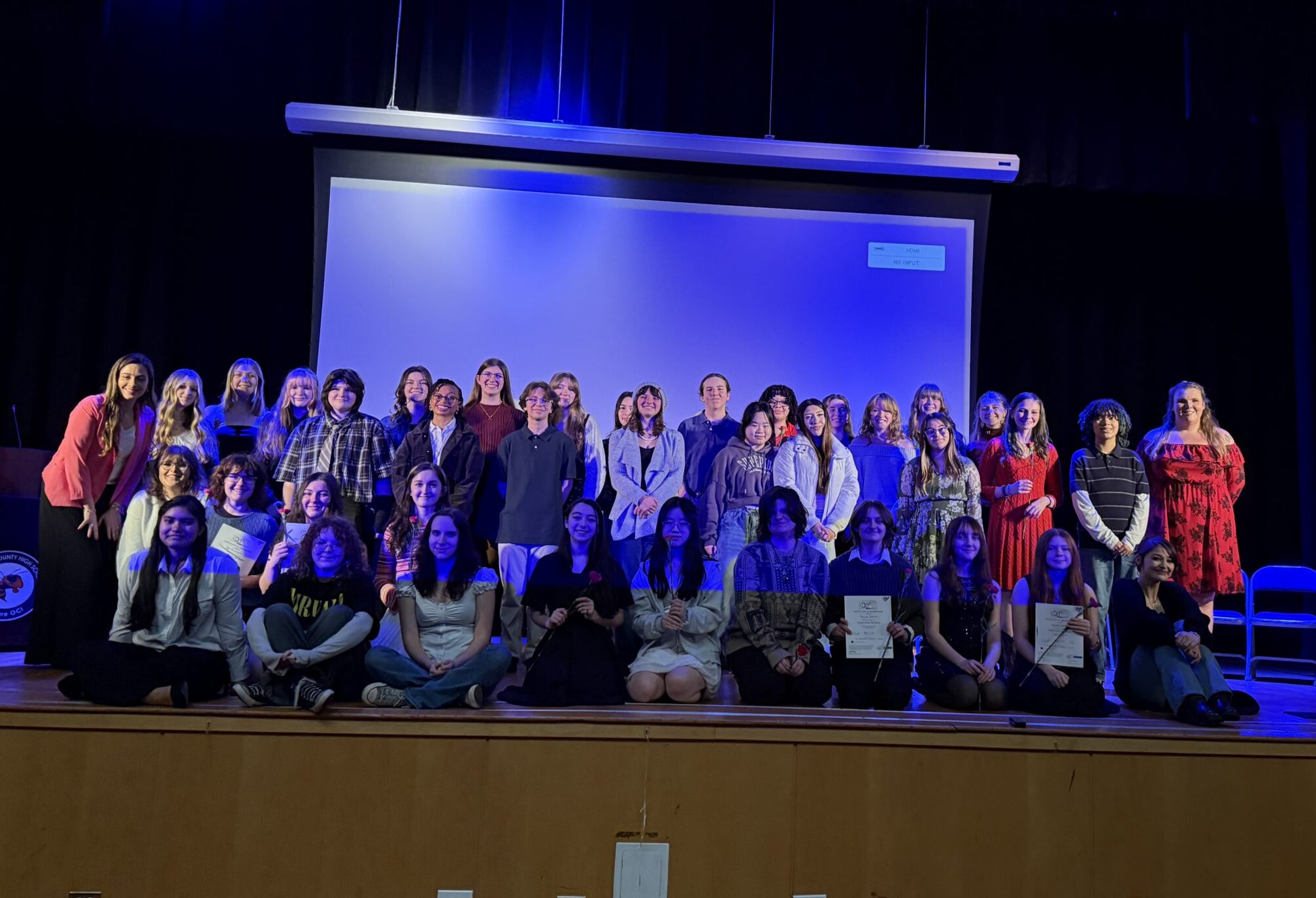
Brush with Greatness: Visual Fine Arts at OCHS
March 2, 2026
Cowgirls (and Boys) Become Weekend Phenomenon at Unionville Brewery

March 2, 2026
County Program Launches Outdoor Adventure Series
March 2, 2026
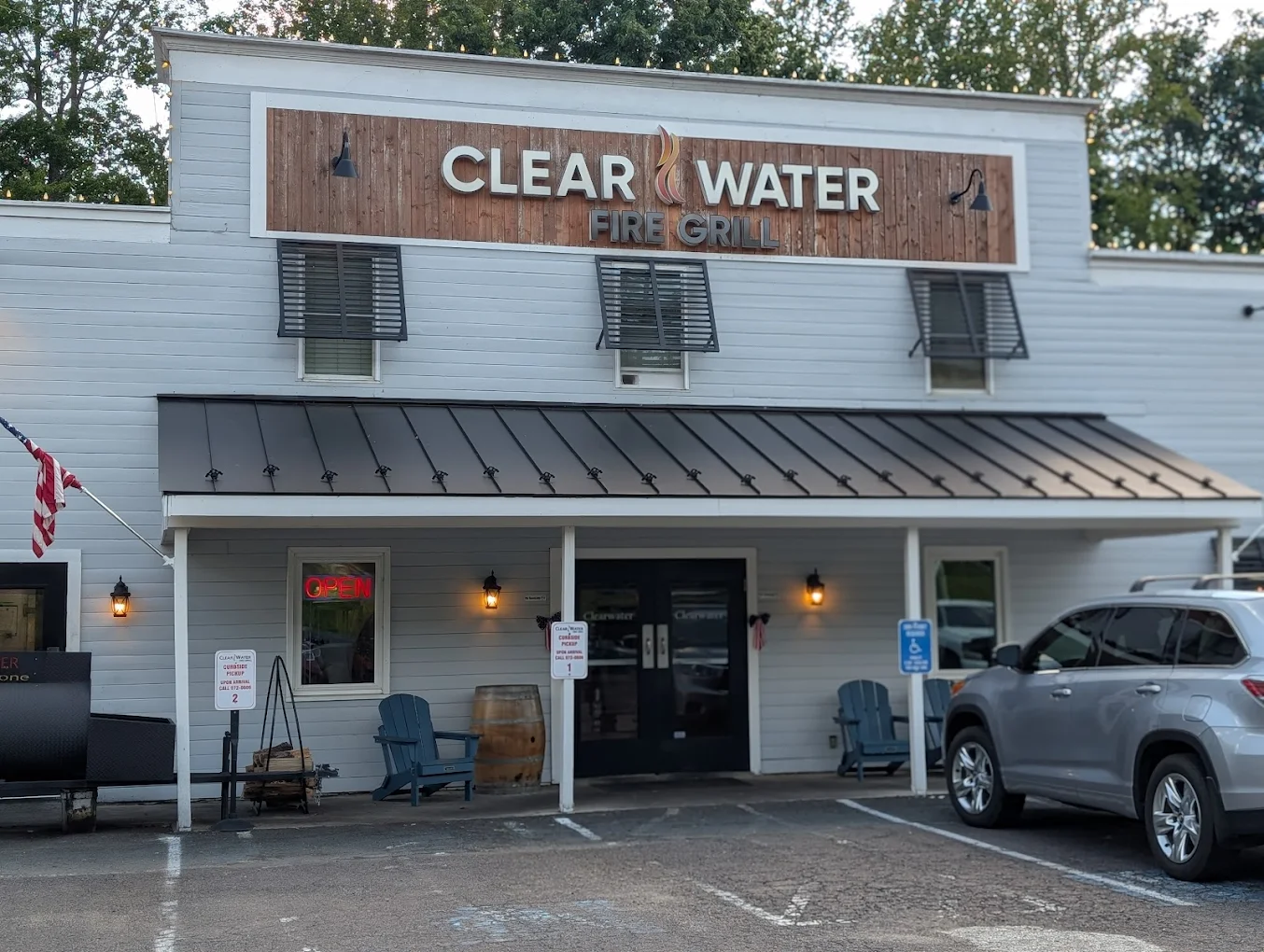
Clearwater Fire Grill Remains a Steady Presence in Locust Grove
March 2, 2026
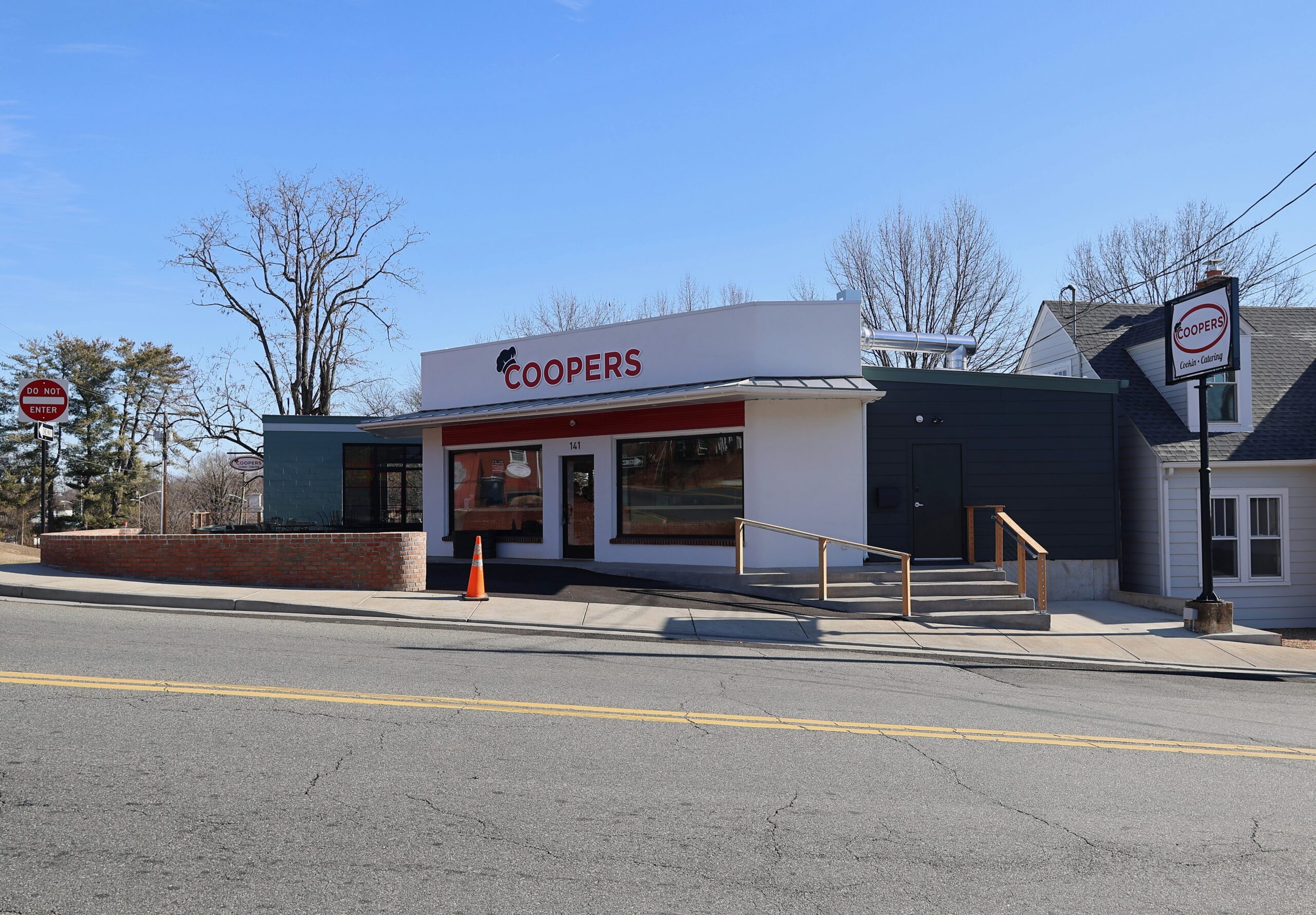
Coopers Cookin’ & Catering Connects Orange to a Reconstruction Era Food Tradition
March 2, 2026
New Police Chief, New Town Manager Mark a Shift in Orange Leadership
Journey to an Untamed Land
Imagine stepping out of a time machine and landing in a raw, wild land, where the air is fresh and the trees reach high into the sky. It’s the 18th century, and you find yourself in a place that will one day be known as Orange, Virginia. The hills roll like waves, and streams sparkle like jewels in the sunlight. But this breathtaking landscape is more than just a pretty picture—it’s the backdrop for brave men and women who dreamed of a new life.
As you walk along the dirt paths that these early settlers once tread upon, you can almost hear their stories whispered by the winds that rustle through the leaves. They faced fierce challenges, from navigating dense forests to battling the elements, all while pursuing their dreams in an untamed land. Each step they took marked the beginning of a journey full of hope and aspiration. With the promise of freedom and opportunity pulling them forward, these settlers ventured from their homes, seeking a fresh start.
A New Home Amongst the Wilderness
In this wild expanse, they faced many obstacles: thick brush, wild animals, and the uncertainty of the unknown. Yet, it was here they found a community—a chance to build a new home. As we explore the rich history of Orange, Virginia, we unravel the stories of those first settlers who dared to dream, their struggles and triumphs laying the foundation for generations to come.
Setting Roots: The Arrival of the First Settlers in Orange, VA
As the first settlers set foot in what is now known as Orange, Virginia, they were greeted by a landscape that was both alluring and daunting. Nestled between the rolling hills of the Blue Ridge Mountains and flowing rivers, the area promised fertile land and abundant natural resources. But the promise of prosperity came hand-in-hand with uncertainty.
Upon their arrival, these hardy pioneers quickly set to work transforming the wilderness into a place they could call home. With axes in hand and resolve in their hearts, they cleared patches of dense forest to make way for homes and farmlands. The echoes of their labor rang through the valleys as they constructed sturdy log cabins, using trees as both shelter and a symbol of their determination. It wasn’t just about building structures; they were erecting the very foundation of a community.
Of course, with each nail they hammered and each furrow they plowed, the settlers formed bonds with the land—and each other. Families worked side by side, relying on one another not just for survival but for social connection, creating a tight-knit society. To understand the depth of their perseverance, it’s essential to look at the demographics of these early settlers and the roles they played:
| Settler Role | Estimated Percentage | Key Responsibilities |
|---|---|---|
| Farmers | 60% | Cultivating crops, raising livestock |
| Craftsmen | 20% | Building tools, making clothes, creating furniture |
| Traders | 15% | Bartering goods, establishing trade routes |
| Community Leaders | 5% | Creating laws, settling disputes, organizing community events |
The diversity in roles reflects the varied talents and skills that each settler brought into their new world. While the farmers toiled under the sun to provide sustenance, craftsmen used their artistry to adapt their environment to better serve their needs. Traders established vital connections with neighboring settlements, ensuring that essential supplies were always within reach. It was this interdependence that would become a hallmark of the Orange community.
But settlement also held a deeper promise of freedom—freedom from the constraints of their previous lives, freedom to define their own destinies, and freedom to cultivate not only the land but also their identities as Virginians. As they built homes and established crops, they laid down roots that would nourish future generations. Their courage and aspirations carved the path for a flourishing community, rich in tradition and ambition, waiting to be explored in the unfolding tapestry of Orange’s history.
As we trace their steps through time, we recognize that the settlers were not merely surviving; they were nurturing the seeds of a vibrant society. However, both their grit and their dreams would be tested by the challenges that lay ahead. The journey was just beginning, and every hardship faced would only strengthen their resolve. In the next section, we will explore the adversities they encountered and how their resilience shaped the community of Orange, Virginia.
Challenges and Resilience: Overcoming the Frontiers
As the settlers of Orange, Virginia, began to carve out their new lives, they encountered challenges that would test their resilience and define their community for years to come. The lush landscape, while promising, harbored dangers: harsh winters, diseases, and the looming presence of Native American tribes who had thrived in these lands long before the newcomers arrived. Each obstacle was met with determination and innovation—qualities that would become the bedrock of their identity.
The early settlers faced the relentless challenge of adapting to an unfamiliar environment. They were no strangers to hard work, but the Virginia wilderness demanded more than mere labor; it required an understanding of the land’s intricacies. Crops that thrived in their homeland sometimes withered under the sun’s fierce glare, and alien soil presented its own constraints. They turned to experimentation, learning through trial and error which seeds prospered and which did not. This spirit of adaptation extended beyond farming. Residents came together to share knowledge and resources, fostering practices that blended their European agricultural techniques with the Native American methods they observed.
Just as they were learning from the land, the settlers were also beginning to engage with the local Indigenous populations. These encounters were not merely transactional; they held the potential for rich cultural exchanges. However, they were often fraught with tension and misunderstandings. The settlers’ aspirations for land ownership clashed with the Native communities’ perspectives on land—representing stewardship rather than possession. This tension, compounded by the settlers’ relentless expansion, led to conflicts that would have lasting implications. Yet, amidst the struggles, there emerged opportunities for dialogue and cooperation. Some settlers formed alliances with Native groups, learning vital survival skills that helped them endure the trials of their new environment.
Moreover, the settlers’ resilience was tested by external pressures from a rapidly changing world. The colonial ambitions of European powers were felt even in the frontier lands of Virginia. As competing interests poured into North America, settlers had to navigate a landscape influenced by imperial politics and shifting alliances. Colonial governance began to assert its influence, prompting settlers to organize themselves politically, forming early forms of local government to protect their interests. They found strength in unity, rallying together to face the challenges posed by colonial authorities and external threats.
Significantly, the settlers’ cultural landscape was complex and evolving. Each hardship faced prompted them not only to fortify their defenses but also to flesh out their social structure. Community gatherings became a vital avenue for sharing stories of resilience, fostering bonds among families, and reinforcing their cultural identity. The settlers began to cultivate a unique cultural identity, one that blended their European roots with elements of the indigenous cultures around them. This synergy would lay the groundwork for a rich tradition, evident in local folklore, festivals, music, and art that celebrated both survival and solidarity.
Through the lens of adversity, we see how the settlers of Orange, Virginia, transformed challenges into stepping stones for resilience. Each difficulty faced and each setback endured shaped the very fabric of their new community, forging an indomitable spirit that would resonate through generations. This journey of overcoming challenges is not just a historical footnote; it is a testament to human tenacity. As we turn our focus next to the settlers’ cultural encounters and their interactions with Native communities, we will uncover how these relationships further shaped the identity of Orange, setting a precedent for coexistence and communal growth amidst diversity.
Cultural Encounters: Interactions with Native Communities
The interactions between the settlers of Orange, Virginia, and the Indigenous tribes that had called the region home for centuries were pivotal in shaping both communities, not just physically, but culturally and socially as well. These encounters, often complex and layered, invited both cooperation and conflict as settlers sought to navigate their uncharted world.
Initially, the settlers arrived with a mix of trepidation and curiosity. Although they came with aspirations of land conquest and agricultural success, they could not ignore the presence and wisdom of those who had honed their understanding of the land for generations. The Native communities—comprised of diverse tribes with rich histories, traditions, and lifestyles—held an invaluable knowledge that the newcomers could not replicate solely through their European methods.
In many cases, both parties engaged in what can be understood as a reciprocal exchange of culture. The settlers, aiming to adapt to the new landscape, learned invaluable farming techniques from the Indigenous peoples, such as the cultivation of corn, beans, and squash—often referred to as the “Three Sisters.” This trio not only provided a nutritional balance but also thrived in a symbiotic relationship, demonstrating the Indigenous understanding of sustainability that was often absent from European methods. Through shared gatherings and cooperative farming efforts, both groups witnessed firsthand the potential for inclusivity, which sparked a kernel of mutual respect.
However, these positive interactions were not without tension. The extensive land needs of the settlers often clashed with the territorial rights of Native tribes. What the settlers perceived as ample land ripe for cultivation, Indigenous peoples viewed as sacred and intricately woven into their cultural identity. This conflict ignited frustrations on both sides and exacerbated suspicions. The settlers’ need for expansion pushed them to encroach upon traditionally held Indigenous lands, leading to skirmishes that would set the stage for future hostilities—a collision of two worlds, both equally valid in their claims and existence.
Despite the conflicts, there were moments of alliance and solidarity. Certain settlers and Native groups recognized the dangers posed by other colonial powers and internal rivalries between tribes. These alliances not only provided military support in times of strife but also facilitated cultural fusions, as one could find intermarriages and trade networks forming between settlers and Native communities. These relationships created channels for dialogue that allowed for the exchange of ideas, stories, and traditions, thus enriching the cultural tapestry of the burgeoning settlement.
Cultural festivals began to emerge, imbued with elements from both traditions, as communities sought to celebrate the land they shared. Rituals and storytelling became a means of connecting with one another, helping to form a collective identity. Songs, dances, and art infused with narratives from both settler and Native experiences became the means through which resilience was recorded and remembered. This cultural symbiosis allowed the settlers not only to survive but to thrive, embedding the influences of their Native neighbors within their own evolving culture.
As the settlers forged their path in the New World, their experiences with Native communities played an indispensable role in shaping their identity. They were not merely conquerors and settlers; they were participants in a complex cultural exchange that would influence customs, practices, and social structures. The collaborations established during these early years formed a foundation that celebrated diversity amidst challenges and paved the way for an adaptive community capable of growth and change.
In looking back at these cultural encounters, we can appreciate how the settlers of Orange, Virginia, navigated a world shaped by intersecting destinies. They emerged from the crucible of adversity not as monolithic groups but as dynamic communities molded by their interactions and shared experiences. As we move forward to explore the lasting contributions and the ways community formation evolved from these intersections of culture, we will uncover the powerful imprints of the past that continue to resonate in Orange today.
Imprints of the Past: Lasting Contributions and Community Formation
As the settlers and Native communities interwove their lives in Orange, Virginia, they contributed vibrant threads to a historical tapestry that narrates both conflict and collaboration. Today, these threads are not merely echoes of a bygone era; they are foundational elements that still influence the cultural and social landscapes of the region. The legacies left behind by these early interactions continue to shape the identity and community of Orange, acting as crucial reference points for understanding contemporary social dynamics.
The enduring impacts of their shared history can be observed through various lenses—agricultural practices, artistic expressions, cultural festivals, and community values. These dimensions not only tell of how the settlers adapted but also reflect the wisdom and resilience of the Indigenous tribes who navigated their own challenges in the face of tumultuous change.
One prominent aspect of this dual legacy lies in the agricultural techniques introduced and refined through Indigenous wisdom. The “Three Sisters” method of planting—integrating corn, beans, and squash in mutually beneficial ways—transcended mere farming; it fostered a sense of sustainability that defined community well-being. Here is a snapshot of the significant agricultural contributions that can be traced back to these early interactions:
| Agricultural Technique | Origin | Impact on Community |
|---|---|---|
| Three Sisters Agriculture | Indigenous Tribes | Promoted food security and created a sustainable ecosystem |
| Crop Rotation | European Settlers | Enhanced soil fertility and agricultural yield over time |
| Use of Native Plants (such as Blueberries and Blackberries) | Indigenous Knowledge | Broadened dietary diversity and established local foraging practices |
This agricultural fusion became a metaphorical lifeblood for the expanding community, showcasing how unity can arise from shared knowledge and interdependence. Farmers learned to read the land through both an Indigenous and settler perspective, crafting a new ethos around their shared resources. As crops flourished, so did the social interactions between the groups, leading to the establishment of communal gatherings—harvest festivals that combined various traditions, thus, laying the groundwork for a cohesive community identity.
Moreover, the bi-cultural tapestry of Orange manifested itself artistically through visual and performance arts. Artisans began to merge European techniques with Indigenous themes, leading to a unique form of expression reflective of the region’s narrative. These creative exchanges not only enriched the visual landscape but also fostered communal ties, where storytelling festivals saw participation from both settlers and Native representatives, allowing for mutual celebration and acknowledgment of each community’s heritage.
Even as the generations passed, the values rooted in these formative interactions continued to ripple throughout the community. The teachings of respect for land and nature, the importance of cooperation, and the resilience against adversity became the pillars upon which future generations built their identities. Families began to see themselves as custodians of a shared legacy, etched into the very soil of Orange.
In this way, the legacies birthed from the early engagements between the settlers and Native communities serve not just as historical markers, but as active agents of community formation. They draw vibrant lines connecting past to present, urging contemporary residents of Orange to reflect on their shared history while building a future intertwined with respect, collaboration, and understanding. In the chapters to follow, we will delve deeper into how these legacies are preserved through historical sites and remnant practices, offering tangible connections to the indelible imprint left by those who came before.
As we venture into the next chapter of Orange’s storied history, it’s essential to recognize that the remnants of the past still carry a vibrant resonance in the town’s present and future. The historical sites scattered throughout the area not only pay homage to the early settlers and Indigenous communities but also act as living museums, where the echoes of history reverberate through time. Each monument, structure, and stretch of land tells a story—a narrative rich with culture, conflict, resilience, and hope.
Among the most significant landmarks is the Orange County Courthouse, a building that stands not only as a judicial hall but as a witness to the evolution of governance and community spirit in Orange. Built in 1834, its architectural features reflect the aspirations of a growing community emerging from the shadows of its tumultuous past. The courthouse has seen its share of historical events, from the legal battles over land rights to hosting public gatherings that united citizens across diverse backgrounds. Its façade still echoes the voices of those who walked its steps, seeking justice and a better future.
Further down the road, the remnants of historic plantations serve as solemn reminders of the complex social dynamics that defined early Orange. Places like Montpelier, the home of James Madison, showcase the dual heritage of the land. On one hand, there are the legacies of political innovation and governance that shaped a nation; on the other, the historical realities of enslavement that remind us of the struggles faced by African Americans—a narrative often woven too subtly into Orange’s rich tapestry. Today, Montpelier operates as a center for historical education, striving to provide a holistic account of the past that recognizes both triumphs and tragedies.
As we explore the remnants of Indigenous presence in Orange, several sites betoken their historical significance. Rock formations and burial mounds whisper the ancient stories of the land’s first inhabitants, serving as quiet yet powerful testaments to their enduring spirit. Efforts by local organizations aim to preserve these sacred areas, ensuring that their cultural narratives remain honored and respected. Guided tours and educational programs help visitors connect with these vibrant histories, transforming them from merely relics into vital parts of Orange’s living culture.
The community’s commitment to honoring its history is further evident in the annual cultural festivals—celebrations that embrace both Indigenous traditions and settler heritage. Events like the Orange County Fair highlight local artisans, musicians, and historians, providing a platform for showcasing diverse cultural expressions while fostering a sense of unity among residents. Such gatherings not only perpetuate traditional practices but also invite new experiences that intertwine past with present, reflecting a deep-rooted respect for the contributions of all communities that have shaped the area.
In preserving the legacy of Orange, the historical sites and remnants are not just relics for nostalgia; they serve as active touchpoints for both education and community engagement. Each site invites residents to explore their shared pasts and contributes to ongoing dialogues about identity and belonging in a rapidly changing world. They remind us that the legacy of early Orange is not static; it is a living entity that grows and evolves as each new generation brings its interpretations, aspirations, and stories to the fore.
As we transition from the origins of these vibrant communities to the foundations upon which they rest today, one thing remains certain: Orange is more than a town steeped in history—it is a living narrative that weaves together the stories of countless individuals, past and present. Join us as we continue our journey through time, revealing the enduring heritage of Orange, Virginia, where the roots of its settlers nourish the modern landscape.
As we delve deeper into the evolving narrative of Orange, Virginia, the transition from the resilient roots of early settlers to the robust framework that defines the modern community offers a fascinating glimpse into the intertwining of past and present. The early European immigrants — brave souls driven by the quest for opportunity and prosperity — laid the groundwork for a society that continues to flourish, even amidst change. Their determination to adapt to a harsh climate and rugged terrain was not simply about survival; it struck at the very essence of what it means to belong and build a future.
Central to this evolution is the concept of adaptability. The settlers, having battled the unforgiving nature of their surroundings and sought to forge alliances with the Indigenous peoples, exemplified a pioneering spirit that resonated through the ages. By navigating challenges, they established resilient networks of community and cooperation that laid the groundwork for future generations. This legacy of collaboration is particularly palpable in today’s Orange, where diverse voices harmonize to create a vibrant tapestry of life.
In the heart of the town stands the historic Orange Town Hall, a stalwart that echoes the voices of governance and community participation through the ages. Nearby, local farmers’ markets showcase fresh produce, artisanal goods, and the best of regional craftsmanship. This fusion of the old and new reflects the evolving economic landscape shaped by those early settlers. The agricultural roots they planted have blossomed into a flourishing economy, with modern enterprises emerging alongside family-owned farms that have been passed down through generations.
As we traverse the contemporary landscape, we are met by an array of local artists, craftspersons, and entrepreneurs who are committed to preserving Orange’s heritage while steering it into the future. The infusion of creativity has transformed empty spaces into vibrant centers of culture, attracting locals and tourists alike. Galleries and workshops proudly display the works of artisans inspired by the historical context of their surroundings, from pottery and painting to music and storytelling. It is here, in this artistic awakening, that we witness the spirit of the early settlers being reimagined in fresh and exciting forms.
No journey through modern Orange would be complete without acknowledging the role of education in perpetuating the town’s heritage. Schools and community programs emphasize the importance of history, fostering a sense of pride among the youth. Field trips to renowned landmarks like Montpelier are common, where lessons on the founding principles of democracy resonate strongly within the walls of Madison’s historic home. These experiences instill the values of civic responsibility and engagement, nurturing a new generation of citizens who appreciate their roots while envisioning their roles in the future.
Moreover, the town’s commitment to sustainability echoes the lessons from its past. Modern infrastructure projects often incorporate elements that honor the historical landscape, melding innovation with traditional aesthetics. Green spaces sprout in harmony with historic sites, allowing locals to engage with the beauty and benefits of nature—a principle that settlers relied upon. This dual focus on progress and preservation fosters a deep sense of connection to the land and its storied past.
Ultimately, the evolution from settler roots to modern foundations exemplifies a community in a constant state of growth while remaining anchored to its rich history. Orange, Virginia, is not merely a relic of the past; it is a vibrant, living tapestry woven from the threads of countless narratives, each contributing to the story that continues to unfold. As we look ahead, we are reminded that the past serves not merely as a backdrop, but as a source of strength and inspiration that propels the community forward. Join us in our exploration of the bright horizons that lie ahead, where the heritage of Orange remains a guiding force shaping a shared future for all its inhabitants.
“`
At the heart of Orange, VA, lies a commitment to remembering and honoring its eclectic heritage. This ethos has catalyzed a renaissance in how communities engage with their historical roots while fostering a sense of identity and pride among residents. Notably, the local Historical Society plays a pivotal role in curating memories of yesteryears, organizing exhibitions that illuminate the narratives often overlooked in mainstream retellings. Through meticulously researched artifacts, local discourse, and inclusive storytelling, these efforts ensure that every facet of Orange’s past—from Indigenous histories to settler experiences—is preserved and shared.
The educational initiatives spearheaded by these organizations are noteworthy, particularly their interactive history programs aimed at schools and families. These programs don’t merely recite dates and events; instead, they immerse participants in the sensory experiences of the past. Children might find themselves participating in reenactments at threatre performances, or adults could uncover genealogy that leads them to family stories entangled with Orange’s founding families. These engaging opportunities cultivate a tactical connection with history, transforming how residents and visitors alike perceive the town’s legacy.
Moreover, Orange’s transformation doesn’t shy away from modernity; it embraces it wholeheartedly. The arrival of local artisans and entrepreneurs sets off a creative renaissance that harmoniously mingles with historical charm. Cafés and boutiques, adorned with locally sourced goods and artisan flair, thrive in the town’s historic district, seamlessly merging past and present. This vibrant commercial ecosystem attracts visitors and nurtures community, emphasizing that the essence of Orange is not trapped in time; rather, it evolves and adapts, welcoming innovation while paying tribute to traditions.
Festivals now serve as more than celebrations; they act as vital connective tissue within the community. The Orange Wine Festival, for instance, celebrates not just the region’s burgeoning vineyard culture but also encapsulates the community spirit. It draws its roots from Orange’s agricultural history while providing local vintners a platform to showcase their craft. As residents sip on local wines and enjoy live music, they effortlessly bridge the vibrancy of modern life with the rich heritage that permeates their surroundings.
In this confluence of history and modernity, Orange, VA, emerges as a tapestry woven of narratives both old and new. It is a town where every street, building, and event tells a dual story—one of honoring its roots while bravely stepping into an energized future. The collective future of Orange is enriched by its past, where every festival, every historical reenactment, and every conversation about shared experiences serves to keep the spirit of the settlers alive.
As we continue our exploration of Orange, it becomes increasingly clear that the town’s legacy is not merely about preserving its history; it’s about valuing the lessons it imparts for future generations. By fostering inclusivity and celebrating the stories that have shaped its landscape, Orange stands as a testament to enduring heritage—a reminder that history is not just a collection of events but rather a living narrative that molds our identities and influences the paths we choose to walk.
So, as Orange, Virginia, navigates its future, it does so with an unwavering sense of self—a community steeped in tradition, yet undeniably alive in its present endeavors. We invite you to journey with us as we peel back further layers of this rich heritage and witness how the past informs the aspirations of a vibrant and diverse community.
“`
Hi! I’m Jennifer Bailey and I partner with entrepreneurs who have massive ideas that could change the world. Most marketing is meaningless. Filled with empty promises, its only job is to bring in new traffic, new leads, and new customers. But I’ve drawn a line in the sand, and I’ve learned that marketing can do so much more than reach business goals and build profit. My methods give businesses the fire and soul they need to reach the right people, set the groundwork for sustainable relationships, and offer true value to the people on both the giving and receiving ends of marketing.
Subscribe for Updates
Sponsors
latest articles
March 25, 2026
Brush with Greatness: Visual Fine Arts at OCHS
March 2, 2026
Cowgirls (and Boys) Become Weekend Phenomenon at Unionville Brewery
March 2, 2026
County Program Launches Outdoor Adventure Series
March 2, 2026
Clearwater Fire Grill Remains a Steady Presence in Locust Grove
March 2, 2026
Coopers Cookin’ & Catering Connects Orange to a Reconstruction Era Food Tradition
March 2, 2026
New Police Chief, New Town Manager Mark a Shift in Orange Leadership
Coopers Cookin’ & Catering Connects Orange to a Reconstruction Era Food Tradition
Newly relocated at 141 Caroline Street in Orange, Coopers Cookin’ & Catering serves Southern staples rooted in a family history…
Article By Judi Cooper
New Police Chief, New Town Manager Mark a Shift in Orange Leadership
The Town of Orange opened 2026 with a series of major leadership changes, headlined by the appointment of Rebecca Davis…
Article By Judi Cooper

The OCHS Alumni and Friends Foundation Part Two: Interview with Founder Bill Hager
It is often said that graduation is not the end, but the beginning of a lifelong relationship with one’s alma…