
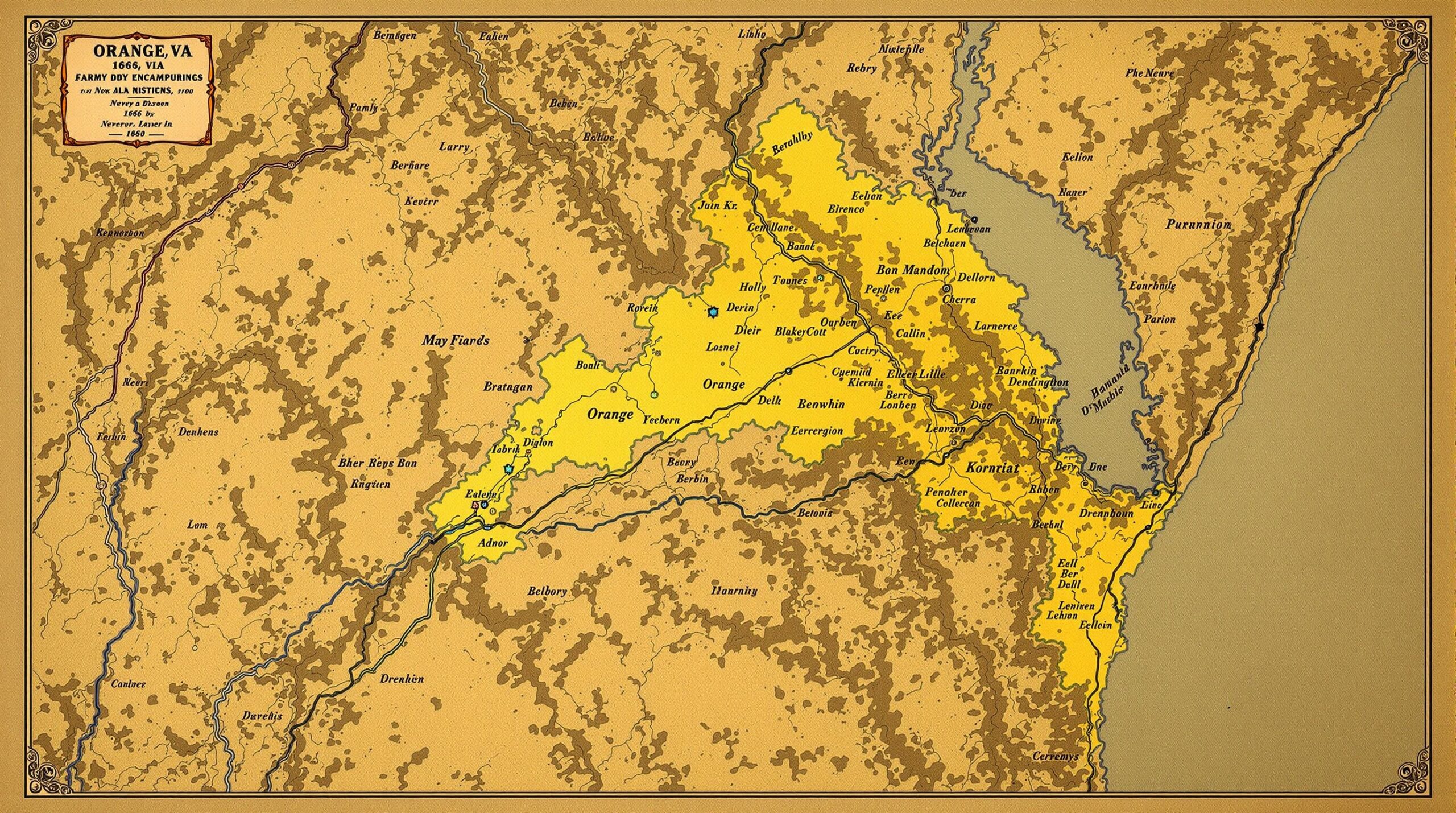
Understanding Our Shared History
In the rich tapestry of American history, the Civil War stands out as a pivotal moment, forever altering the fabric of our nation. Its impacts are not just found in dusty books or old movies; they are deeply woven into the lives of everyday people. For the residents of Orange, Virginia, this era was more than a distant echo of battle cries and strategies—it was an immediate reality that transformed their community, shaping their landscape and the very heart of its people.
A Community Forever Changed
You see, places like Orange were at the crossroads of this national conflict. As families were torn apart by differing allegiances, farms were transformed into makeshift hospitals, and quiet fields became sites of conflict. The stories of those who lived through it are not just tales from the past; they are the defining moments that continue to influence the town today. The scars of war can still be seen in the way the community remembers its history, honoring the lessons learned and the sacrifices made.
In this article, we are going to uncover how the legacy of the Civil War still resonates in Orange. From local landmarks bearing witness to the struggles of that time, to the stories passed down through generations, it’s a journey that invites us to reflect not just on history, but on our own identities as Americans. Join us as we explore the rich and complex legacy left behind in this charming Virginia town.
The Strategic Significance of Orange, VA
As we delve deeper into the narrative of Orange, Virginia, we encounter not just a town, but a significant juncture in the larger saga of the Civil War. The geographic positioning of Orange made it pivotal, not merely as a backdrop to famous skirmishes and heart-wrenching losses, but as an active player in the strategies employed by both Confederate and Union forces. Nestled between key transportation routes and fortified by its rolling hills and dense woodlands, Orange became a focal point for military maneuvers, encampments, and supply lines.
During the war, the town’s strategic significance was amplified by its proximity to other historic locations such as the Wilderness and Fredericksburg, where fierce battles unfolded and marked the resilience and desperation of both armies. As union and confederate forces moved through the area, the residents of Orange encountered the trials and tribulations of warfare firsthand, radically altering their daily lives. The sound of the fife and drum was soon accompanied by the thunder of cannons, forever changing familiar landscapes into war-torn territories.
| Key Events in Orange, VA | Date | Significance |
|---|---|---|
| Battle of Wilderness | May 5-7, 1864 | A major clash where Union General Ulysses S. Grant fought against Confederate General Robert E. Lee, demonstrating the tenacity of both sides. |
| Locust Grove Fight | November 27, 1863 | Fought near Orange, this engagement highlighted the struggle for control over roads crucial for supplies and troop movements. |
| Orange Courthouse Siege | June 1864 | A significant tactical encounter that showcased the desperate measures taken by Confederate forces to defend their territory. |
This shifting landscape of warfare forced Orange and its inhabitants to adapt rapidly. Townsfolk became accustomed to the sight of weary soldiers passing through, the steady influx of military supplies, and the unyielding specter of war lurking at their doorstep. This unique blend of everyday life with the realities of conflict sharpened the community’s resilience, fostering a deep-seated sense of unity and fortitude that would echo through the years.
Throughout this tumultuous time, the strategic significance of Orange also made it a key location for logistical operations. The establishment of supply routes, troop encampments, and even small hospitals for the wounded underscored its role as a support hub in the greater conflict. The choices made on these soil-stained fields had far-reaching consequences, shaping the military strategies of both the Union and the Confederacy as they vied for control over crucial territories.
The stories of bravery and hardship during this period are etched into the very essence of Orange, allowing it to transcend the confines of mere history. They serve as reminders of the complex interplay between war and community, of how lives can be irrevocably altered amidst the backdrop of strategic warfare. As we move forward, we must pay homage to the complexities of civilian life disrupted by these events – a poignant chapter awaiting exploration.
The Impact of War on Civilian Life
As we transition from the strategic significance of Orange, Virginia, to the profound impact of war on civilian life, it becomes clear that the communities caught in the crossfire endured harrowing transformations. The war revealed itself not solely as a series of battles fought on distant fields but as an omnipresent force that infiltrated the very fabric of daily existence for families in Orange.
The nature of warfare—particularly during the Civil War—did not afford civilians the luxury of remaining uninvolved. For the residents of Orange, the sound of distant cannons became a part of their everyday life, a constant reminder of the chaos that loomed just beyond their garden fences. Families witnessed long-cherished traditions turned upside-down as the rhythm of life was violently disrupted. The market square, once bustling with vendors and patrons, transformed into a hub for soldiers seeking provisions. Bread and milk became scarce commodities, while crops lay withering in fields abandoned by farmers conscripted into service or fleeing the advances of armies. The heart-wrenching sight of empty barns and neglected livestock further illustrated the profound economic instability that engulfed the town.
Indeed, the agricultural backbone of Orange faced a devastating blow. As farmers were pulled from their fields to serve or evacuate, the landscape once rich with robust harvests became increasingly barren. With the incessant march of troops and cavalry, transforming fertile land into battle zones led to extensive crop destruction, which in turn precipitated famine and poverty for families reliant on agriculture for survival. Tales of mothers struggling to feed their children amidst crumbling rations became appallingly common, echoing across the community as a testament to resilience amidst despair.
Displacement also betrayed countless families who once thrived in their homes. Armed conflict frequently forced them to abandon everything—a life lived in harmony, their cherished belongings, and sometimes even their memories. Makeshift tents became their new shelters while distant cannon fire punctured the silence of the twilight. This necessary migration not only severed them from their physical surroundings but also divided families, as many men were conscripted while women and children trekked towards what they hoped would be safety.
Throughout this tumult, a profound solidarity emerged among the residents of Orange. Neighbors looked after one another, gathering to share meager supplies and resources. Churches and community centers became sanctuaries of hope, serving as places for discussions on how to rebuild and support one another in the face of unrelenting adversity. This collective spirit of camaraderie bore witness to both the best and worst of human nature in times of conflict. Tragedy birthed resilience, and communities were forged in the crucible of hardship.
The coexistence of horror and solidarity is pivotal in understanding the civil experience during the war. The tales of Orange’s civilians are steeped in a history that deeply intertwines with the vast narratives of war. Their challenges remind us that the impact of conflict extends far beyond the battlefield; it reverberates in the homes, hearts, and minds of those who endure the long shadow of war. As we continue our exploration, it becomes necessary to confront these stories and ensure that the legacy of these civilian experiences is honored and preserved for future generations.
Preserving the History: Monuments and Heritage Sites
As we wander through the charming streets of Orange, Virginia, it becomes readily apparent that the town is more than just a picturesque backdrop; it is a living, breathing chronicle of historical significance, especially from the Civil War era. Numerous monuments and heritage sites stand tall in homage to the past, serving as custodians of stories steeped in struggle and resilience. These landmarks invite us to pause and reflect, reminding visitors and residents alike that the echoes of history are alive in the very soil beneath our feet.
One cannot overlook the grand Confederate Cemetery, a hallowed ground where fallen soldiers are laid to rest, their sacrifices etched into history. Each gravestone tells a story—a name, a date, a life cut short amid a fierce struggle for ideals. Here, families pay homage to ancestors, and visitors wander in solemn reverence, contemplating the heavy toll that war exacts on both the valiant and the vulnerable. It is in such spaces that the raw narratives of loss, valor, and remembrance intersect, prompting a deeper understanding of the costs of conflict.
Moreover, the historic courthouse—an architectural gem from the 19th century—serves as a vital link to the past, where pivotal legal battles were fought during and after the war. Its walls have witnessed conversations that shaped the future of the community, and guided efforts for reconciliation and healing. Preservation of such landmarks is not merely an act of maintaining structure; it is an affirmation of the town’s commitment to remembering, learning, and sharing the past with future generations. Engaging guided tours and living history reenactments breathe life into these sites, ensuring that the stories of those who lived through the trials of war are presented in authentic, relatable contexts.
In recent years, the community has rallied around initiatives aimed at preserving the physical manifestations of history. Restorative efforts have been renewed for the many battlefields that surround Orange, transforming them into serene parks that allow visitors to explore history while basking in the beauty of nature. These sites not only foster appreciation for the historical narratives embedded in the land but also serve as tangible reminders that history is not confined to dusty books; it exists within the very essence of our surroundings.
As stewards of this rich heritage, local organizations and historians actively work to document and celebrate the contributions of citizens during this tumultuous period. Through educational programs, heartfelt storytelling circles, and interactive exhibits, they ensure that voices once lost to time are resurrected and echoed again. Children of Orange learn about their town’s past through engaging, hands-on experiences, cultivating a sense of pride and responsibility toward their collective history. In this way, the legacy of the Civil War not only shapes the identity of modern-day Orange; it empowers its citizens to carry forward the lessons learned from unfathomable strife.
The monuments and heritage sites of Orange resonate profoundly with those who walk their paths, whispering narratives of sacrifice, compassion, and community. They stand as guardians of memory, ensuring that both the horrors and the heroism of the past are acknowledged, understood, and honored. As we delve deeper into the fabric of Orange’s present landscape, it becomes clear that preserving these echoes of history is not just an act of remembrance; it is a commitment to learning from the past and shaping a more enlightened future.
Echoes of the Past in Modern Orange
As we delve into the vibrant community life of Orange, Virginia, it becomes evident that the influence of the Civil War extends far beyond mere reflection. It permeates the very fabric of the town’s identity, shaping communal values, ongoing dialogues, and cultural expressions that resonate through the ages. In a world that often seems focused on the present and future, Orange doesn’t shy away from its lineage; instead, it embraces the past, weaving it into the living tapestry of everyday life.
Community events serve as pivotal moments for residents to come together, honoring their shared history while also fostering unity in their collective narrative. The annual Orange Civil War History Day is a prime example, drawing crowds from near and far who gather to experience reenactments, storytelling performances, and educational workshops that reveal the war’s complex legacy. These gatherings not only celebrate the critical events of the past but also create a vibrant forum for discussion and debate—ensuring that the lessons learned are not relegated to the annals of history but integrated into contemporary conversations about identity, community, and resilience.
Local storytelling plays a key role in this endeavor, as narratives passed down through generations become vehicles for connection and understanding. Orange’s storytellers, often elders who have delved into their family histories, hold sessions at community centers and schools where they share personal anecdotes and historical accounts alike. The strength of these stories lies in their authenticity, connecting listeners to the emotional truths of their ancestors’ experiences. In this way, storytelling transforms history into a shared legacy, one that resonates deeply within the hearts of each participant.
Education is another cornerstone supporting this vivid tapestry. Local schools strive to equip students with the tools to engage thoughtfully with their history. The interactive curriculum encourages youth to not only learn about the Civil War but to explore its implications on the present day. Field trips to significant sites allow students to walk through history, where lessons are practically applied, igniting curiosity and fostering a sense of place. Guest speakers, often local historians armed with captivating tales and facts, enrich classroom discussions, guiding students toward a more nuanced understanding of the Civil War’s enduring impact.
| Community Event | Description | Significance |
|---|---|---|
| Civil War History Day | A day filled with reenactments, workshops, and storytelling. | Facilitates community unity and engagement with history. |
| Local Storytelling Circles | Gatherings where elders share personal anecdotes related to the Civil War. | Connects community members to their heritage and fosters intergenerational dialogue. |
| School Field Trips | Students visit historic sites for immersive learning experiences. | Encourages practical application of history lessons and sparks curiosity. |
| Guest Speaker Series | Historians and local experts share insights on the Civil War. | Enhances educational content and offers diverse perspectives. |
Through educational initiatives and community engagement, Orange does not merely remember the past; it actively engages with it. The lessons learned from the Civil War infuse the town with a sense of purpose and responsibility, creating an environment where citizens acknowledge their shared history while looking towards a harmonious future. The echoes of the past thrive in modern Orange, reminding each resident that their history is not a distant relic but a living, breathing guide that shapes their identity and community.
The role of education in bridging the past and present cannot be overstated, especially in a town like Orange, where historical understanding is central to community identity. Here, educators aim not only to impart knowledge but to foster critical thinking, empathy, and a recognition of diverse perspectives surrounding the Civil War. The curriculum is designed to ignite passion and inspire students to delve deeper into the complexities of their local history, helping them develop a well-rounded understanding of the implications of conflict and reconciliation.
One effective strategy employed by local educators involves experiential learning—allowing students to step directly into their history. Field trips to battlefields, museums, and preserved historical sites act as living classrooms. Students are given the opportunity to walk the very ground where pivotal events took place, igniting their imaginations and grounding their studies in tangible experiences. For many young residents, standing in a field where soldiers once fought does more than just teach them about dates and battles; it instills a visceral connection to their heritage, one that fosters pride and responsibility towards preserving this legacy.
Moreover, guest speakers—often local historians, authors, or descendants of Civil War figures—add a vibrant layer to classroom discussions. These experts bring with them first-hand accounts, artifacts, and a lifetime of research that enliven the curriculum, sparking engaging conversations that challenge students to consider the various narratives and voices that compose history. By presenting a multifaceted view of events, these sessions encourage students to think critically about how impacts ripple through generations, fostering a sense of deeper respect for the complexities of their community’s narrative.
In addition, the integration of technology in education—the use of digital archives, interactive maps, and historical documentaries—further enhances students’ learning experience. Encouraging young minds to explore resources beyond their textbooks allows for a more immersive engagement with history. Students can research personal stories of their ancestors, documenting how the Civil War affected their families, which helps to instill a personal connection to history. This active inquiry nurtures empathy, as students come to realize that the past is more than a series of events; it’s a living tapestry of human experiences, emotions, and lessons.
Through these interactive and engaging educational practices, Orange is cultivating a generation that not only understands the significance of its historical context but is also equipped to discuss and reflect upon it meaningfully. The students of today are becoming the custodians of tomorrow’s history—armed with knowledge and a profound respect for the experiences of those who came before them. As they navigate the complexities of a world shaped by the echoes of conflict and resilience, they carry forward the critical lessons learned in their classrooms and community spaces.
In Orange, the commitment to education as a tool for historical understanding reinforces the timeless idea that through knowledge, we pave the way for growth, understanding, and ultimately, a brighter future. By investing in the education of its youth, the community ensures that the history of the Civil War—and its lessons—will not only be preserved but also understood, cherished, and thoughtfully navigated by future generations.
As time marches on, the shadow of the Civil War continues to cast its influence over the town of Orange, VA. By understanding and preserving this rich history, residents and visitors alike contribute to a legacy that endures beyond textbooks and monuments, bringing the past to life for future generations. To deepen this connection and exploration, many people often have questions that arise as they seek to engage more with Orange’s Civil War heritage. Here are some of the most frequently asked questions, shedding light on the importance of this historical locale.
What was the Battle of Orange’s significance during the Civil War?
The Battle of Orange, a critical confrontation in 1862, served as a strategic focal point for both Northern and Southern forces. For the Confederate Army, winning this battle fortified their hold over vital supply routes, crucial for sustaining their war efforts. By successfully defending Orange, the Confederates not only sought to resist Union advances in Virginia but also aimed to protect essential logistical pathways that were lifelines for their troops. This battle is a testament to the myriad of tactical maneuvers and sacrifices that shaped the greater narrative of the Civil War and significantly impacted the community’s historical landscape.
How can visitors learn about the Civil War history in Orange, VA?
Visitors eager to immerse themselves in the Civil War history of Orange have a wealth of opportunities at their fingertips. Local museums, such as the Orange County Historical Museum, house artifacts and exhibits that narrate the town’s storied past. Guided tours, led by knowledgeable historians or reenactors, bring the vibrant stories of the battlefield and the lives entwined within that history to life. Moreover, community organizations regularly host educational events, including reenactments, lecture series, and workshops, all designed to engage visitors of all ages in the profound legacy of this remarkable time. Engaging with these resources not only enhances understanding but also fosters a deeper appreciation of how the past informs the present.
What efforts are being made to preserve Orange’s Civil War history?
Preservation efforts in Orange reflect a community resolute in honoring its Civil War heritage. Several dedicated initiatives are underway, focusing on maintaining monuments and memorials that pay homage to those who fought and suffered during the war. Fundraising events, spearheaded by local historical societies and civic organizations, play a pivotal role in ensuring these structures remain in pristine condition for future generations. Alongside these physical preservation efforts, educational outreach programs engage the community through workshops, lectures, and collaboration with local schools, stressing the importance of understanding and safeguarding the lessons embedded within our history. Through these combined efforts, Orange is not only remembering its past but actively weaving it into the fabric of contemporary community life.
These questions reveal an intrinsic curiosity and respect for the complex narratives that have shaped Orange. As residents and visitors continue to engage with this history, they become part of a larger story—a collective journey toward acknowledgment, understanding, and reconciliation. By fostering a dialogue around the Civil War, Orange remains a vibrant example of how history shapes not only a community’s identity but also its future. With every tour taken, every exhibit visited, and every conversation shared, individuals are invited into an ongoing dialogue that transcends mere remembrance and inspires active engagement with the lessons of the past.
Yet, the legacy of the Civil War in Orange, VA, extends far beyond the classroom. The impact of this tumultuous period seeps into the very fabric of daily life, from local festivals celebrating cultural heritage to community discussions ignited by the intricate history of the region. By engaging with their past, residents and visitors cultivate an atmosphere of remembrance that reinforces the importance of collective memory in shaping community identity.
The annual Orange Civil War History Day is a prime example of how the community comes together to honor its history. This celebration invites families, historians, and tourists to partake in reenactments, storytelling sessions, and displays of artifacts that bring to life the events that once gripped this small town. The educational programs that accompany such festivals aim to involve younger generations, ensuring that traditions are passed down and that the stories of bravery, sacrifice, and hardship are kept alive. As the sun sets on these vibrant gatherings, a sense of shared purpose prevails—a reminder that history is not merely a chapter in a book, but a narrative continuously written by those who choose to remember and celebrate it.
Moreover, local organizations and historical societies play a crucial role in the preservation of Orange’s Civil War heritage. These groups engage in relentless efforts to restore battlefields and historic homes, transforming them into valuable repositories of knowledge. By carefully maintaining these sites, they allow visitors to step into a tangible past, experiencing the landscape that shaped the stories of countless ancestors. Guided tours led by knowledgeable docents provide essential context, presenting not just the facts but the emotions entwined within the events of yesteryear. There is a palpable sense of connection that resonates during these journeys—a recognition that what transpired here continues to influence the social and cultural dynamics of Orange today.
As families visit local museums, they encounter powerful exhibits that depict the African American experience during and after the Civil War. Narratives of resilience and hope remind us that the ramifications of this conflict rippled far beyond the battlefields. This aspect of history emphasizes inclusivity, shedding light on stories that often remain undiscussed, prompting reflections about equity, justice, and the ongoing journey toward reconciliation. Such discoveries not only enrich one’s understanding of the local history but also invite ongoing dialogues about race relations and societal progression, which are just as relevant today as they were over a century ago.
For those passing through, Orange serves as a compelling focal point that bridges the past with the present, sparking curiosity in history buffs and casual visitors alike. Conversations frequently lead to discussions about parallels between historical events and contemporary issues, showcasing how the lessons gleaned from the struggles of the past can empower citizens today. This realization acts as a powerful impetus for action—whether in the form of community service, advocacy for social justice, or simply engaging in conversations that challenge preconceived notions.
Ultimately, as the fabric of Orange continues to be woven with threads of the past, it becomes clear that the legacy of the Civil War is not a distant memory confined to history books; it pulsates within the hearts and minds of every resident. By actively honoring their unique heritage, the people of Orange ensure that the stories, lessons, and legacy of the Civil War endure beyond monuments and memorials. They become stewards of a narrative transcending time—a living history that educates, engages, and inspires future generations to carry forth a commitment to understanding the complex tapestry of their heritage. As the echoes of the past mingle with the aspirations of the future, Orange, VA, remains a testament to the idea that history, when embraced fully, can guide us toward a world of empathy, connection, and profound understanding.

Hi! I’m Jennifer Bailey and I partner with entrepreneurs who have massive ideas that could change the world. Most marketing is meaningless. Filled with empty promises, its only job is to bring in new traffic, new leads, and new customers. But I’ve drawn a line in the sand, and I’ve learned that marketing can do so much more than reach business goals and build profit. My methods give businesses the fire and soul they need to reach the right people, set the groundwork for sustainable relationships, and offer true value to the people on both the giving and receiving ends of marketing.
Subscribe for Updates
Sponsors


Latest Articles
March 2, 2026
Cowgirls (and Boys) Become Weekend Phenomenon at Unionville Brewery
March 2, 2026
County Program Launches Outdoor Adventure Series
March 2, 2026
Clearwater Fire Grill Remains a Steady Presence in Locust Grove
March 2, 2026
Coopers Cookin’ & Catering Connects Orange to a Reconstruction Era Food Tradition

March 2, 2026
New Police Chief, New Town Manager Mark a Shift in Orange Leadership
March 2, 2026
From 3 to 7%: How Mortgage Rates Reshaped the Housing Market and What it Means for 2026

Understanding Our Shared History
In the rich tapestry of American history, the Civil War stands out as a pivotal moment, forever altering the fabric of our nation. Its impacts are not just found in dusty books or old movies; they are deeply woven into the lives of everyday people. For the residents of Orange, Virginia, this era was more than a distant echo of battle cries and strategies—it was an immediate reality that transformed their community, shaping their landscape and the very heart of its people.
A Community Forever Changed
You see, places like Orange were at the crossroads of this national conflict. As families were torn apart by differing allegiances, farms were transformed into makeshift hospitals, and quiet fields became sites of conflict. The stories of those who lived through it are not just tales from the past; they are the defining moments that continue to influence the town today. The scars of war can still be seen in the way the community remembers its history, honoring the lessons learned and the sacrifices made.
In this article, we are going to uncover how the legacy of the Civil War still resonates in Orange. From local landmarks bearing witness to the struggles of that time, to the stories passed down through generations, it’s a journey that invites us to reflect not just on history, but on our own identities as Americans. Join us as we explore the rich and complex legacy left behind in this charming Virginia town.
The Strategic Significance of Orange, VA
As we delve deeper into the narrative of Orange, Virginia, we encounter not just a town, but a significant juncture in the larger saga of the Civil War. The geographic positioning of Orange made it pivotal, not merely as a backdrop to famous skirmishes and heart-wrenching losses, but as an active player in the strategies employed by both Confederate and Union forces. Nestled between key transportation routes and fortified by its rolling hills and dense woodlands, Orange became a focal point for military maneuvers, encampments, and supply lines.
During the war, the town’s strategic significance was amplified by its proximity to other historic locations such as the Wilderness and Fredericksburg, where fierce battles unfolded and marked the resilience and desperation of both armies. As union and confederate forces moved through the area, the residents of Orange encountered the trials and tribulations of warfare firsthand, radically altering their daily lives. The sound of the fife and drum was soon accompanied by the thunder of cannons, forever changing familiar landscapes into war-torn territories.
| Key Events in Orange, VA | Date | Significance |
|---|---|---|
| Battle of Wilderness | May 5-7, 1864 | A major clash where Union General Ulysses S. Grant fought against Confederate General Robert E. Lee, demonstrating the tenacity of both sides. |
| Locust Grove Fight | November 27, 1863 | Fought near Orange, this engagement highlighted the struggle for control over roads crucial for supplies and troop movements. |
| Orange Courthouse Siege | June 1864 | A significant tactical encounter that showcased the desperate measures taken by Confederate forces to defend their territory. |
This shifting landscape of warfare forced Orange and its inhabitants to adapt rapidly. Townsfolk became accustomed to the sight of weary soldiers passing through, the steady influx of military supplies, and the unyielding specter of war lurking at their doorstep. This unique blend of everyday life with the realities of conflict sharpened the community’s resilience, fostering a deep-seated sense of unity and fortitude that would echo through the years.
Throughout this tumultuous time, the strategic significance of Orange also made it a key location for logistical operations. The establishment of supply routes, troop encampments, and even small hospitals for the wounded underscored its role as a support hub in the greater conflict. The choices made on these soil-stained fields had far-reaching consequences, shaping the military strategies of both the Union and the Confederacy as they vied for control over crucial territories.
The stories of bravery and hardship during this period are etched into the very essence of Orange, allowing it to transcend the confines of mere history. They serve as reminders of the complex interplay between war and community, of how lives can be irrevocably altered amidst the backdrop of strategic warfare. As we move forward, we must pay homage to the complexities of civilian life disrupted by these events – a poignant chapter awaiting exploration.
The Impact of War on Civilian Life
As we transition from the strategic significance of Orange, Virginia, to the profound impact of war on civilian life, it becomes clear that the communities caught in the crossfire endured harrowing transformations. The war revealed itself not solely as a series of battles fought on distant fields but as an omnipresent force that infiltrated the very fabric of daily existence for families in Orange.
The nature of warfare—particularly during the Civil War—did not afford civilians the luxury of remaining uninvolved. For the residents of Orange, the sound of distant cannons became a part of their everyday life, a constant reminder of the chaos that loomed just beyond their garden fences. Families witnessed long-cherished traditions turned upside-down as the rhythm of life was violently disrupted. The market square, once bustling with vendors and patrons, transformed into a hub for soldiers seeking provisions. Bread and milk became scarce commodities, while crops lay withering in fields abandoned by farmers conscripted into service or fleeing the advances of armies. The heart-wrenching sight of empty barns and neglected livestock further illustrated the profound economic instability that engulfed the town.
Indeed, the agricultural backbone of Orange faced a devastating blow. As farmers were pulled from their fields to serve or evacuate, the landscape once rich with robust harvests became increasingly barren. With the incessant march of troops and cavalry, transforming fertile land into battle zones led to extensive crop destruction, which in turn precipitated famine and poverty for families reliant on agriculture for survival. Tales of mothers struggling to feed their children amidst crumbling rations became appallingly common, echoing across the community as a testament to resilience amidst despair.
Displacement also betrayed countless families who once thrived in their homes. Armed conflict frequently forced them to abandon everything—a life lived in harmony, their cherished belongings, and sometimes even their memories. Makeshift tents became their new shelters while distant cannon fire punctured the silence of the twilight. This necessary migration not only severed them from their physical surroundings but also divided families, as many men were conscripted while women and children trekked towards what they hoped would be safety.
Throughout this tumult, a profound solidarity emerged among the residents of Orange. Neighbors looked after one another, gathering to share meager supplies and resources. Churches and community centers became sanctuaries of hope, serving as places for discussions on how to rebuild and support one another in the face of unrelenting adversity. This collective spirit of camaraderie bore witness to both the best and worst of human nature in times of conflict. Tragedy birthed resilience, and communities were forged in the crucible of hardship.
The coexistence of horror and solidarity is pivotal in understanding the civil experience during the war. The tales of Orange’s civilians are steeped in a history that deeply intertwines with the vast narratives of war. Their challenges remind us that the impact of conflict extends far beyond the battlefield; it reverberates in the homes, hearts, and minds of those who endure the long shadow of war. As we continue our exploration, it becomes necessary to confront these stories and ensure that the legacy of these civilian experiences is honored and preserved for future generations.
Preserving the History: Monuments and Heritage Sites
As we wander through the charming streets of Orange, Virginia, it becomes readily apparent that the town is more than just a picturesque backdrop; it is a living, breathing chronicle of historical significance, especially from the Civil War era. Numerous monuments and heritage sites stand tall in homage to the past, serving as custodians of stories steeped in struggle and resilience. These landmarks invite us to pause and reflect, reminding visitors and residents alike that the echoes of history are alive in the very soil beneath our feet.
One cannot overlook the grand Confederate Cemetery, a hallowed ground where fallen soldiers are laid to rest, their sacrifices etched into history. Each gravestone tells a story—a name, a date, a life cut short amid a fierce struggle for ideals. Here, families pay homage to ancestors, and visitors wander in solemn reverence, contemplating the heavy toll that war exacts on both the valiant and the vulnerable. It is in such spaces that the raw narratives of loss, valor, and remembrance intersect, prompting a deeper understanding of the costs of conflict.
Moreover, the historic courthouse—an architectural gem from the 19th century—serves as a vital link to the past, where pivotal legal battles were fought during and after the war. Its walls have witnessed conversations that shaped the future of the community, and guided efforts for reconciliation and healing. Preservation of such landmarks is not merely an act of maintaining structure; it is an affirmation of the town’s commitment to remembering, learning, and sharing the past with future generations. Engaging guided tours and living history reenactments breathe life into these sites, ensuring that the stories of those who lived through the trials of war are presented in authentic, relatable contexts.
In recent years, the community has rallied around initiatives aimed at preserving the physical manifestations of history. Restorative efforts have been renewed for the many battlefields that surround Orange, transforming them into serene parks that allow visitors to explore history while basking in the beauty of nature. These sites not only foster appreciation for the historical narratives embedded in the land but also serve as tangible reminders that history is not confined to dusty books; it exists within the very essence of our surroundings.
As stewards of this rich heritage, local organizations and historians actively work to document and celebrate the contributions of citizens during this tumultuous period. Through educational programs, heartfelt storytelling circles, and interactive exhibits, they ensure that voices once lost to time are resurrected and echoed again. Children of Orange learn about their town’s past through engaging, hands-on experiences, cultivating a sense of pride and responsibility toward their collective history. In this way, the legacy of the Civil War not only shapes the identity of modern-day Orange; it empowers its citizens to carry forward the lessons learned from unfathomable strife.
The monuments and heritage sites of Orange resonate profoundly with those who walk their paths, whispering narratives of sacrifice, compassion, and community. They stand as guardians of memory, ensuring that both the horrors and the heroism of the past are acknowledged, understood, and honored. As we delve deeper into the fabric of Orange’s present landscape, it becomes clear that preserving these echoes of history is not just an act of remembrance; it is a commitment to learning from the past and shaping a more enlightened future.
Echoes of the Past in Modern Orange
As we delve into the vibrant community life of Orange, Virginia, it becomes evident that the influence of the Civil War extends far beyond mere reflection. It permeates the very fabric of the town’s identity, shaping communal values, ongoing dialogues, and cultural expressions that resonate through the ages. In a world that often seems focused on the present and future, Orange doesn’t shy away from its lineage; instead, it embraces the past, weaving it into the living tapestry of everyday life.
Community events serve as pivotal moments for residents to come together, honoring their shared history while also fostering unity in their collective narrative. The annual Orange Civil War History Day is a prime example, drawing crowds from near and far who gather to experience reenactments, storytelling performances, and educational workshops that reveal the war’s complex legacy. These gatherings not only celebrate the critical events of the past but also create a vibrant forum for discussion and debate—ensuring that the lessons learned are not relegated to the annals of history but integrated into contemporary conversations about identity, community, and resilience.
Local storytelling plays a key role in this endeavor, as narratives passed down through generations become vehicles for connection and understanding. Orange’s storytellers, often elders who have delved into their family histories, hold sessions at community centers and schools where they share personal anecdotes and historical accounts alike. The strength of these stories lies in their authenticity, connecting listeners to the emotional truths of their ancestors’ experiences. In this way, storytelling transforms history into a shared legacy, one that resonates deeply within the hearts of each participant.
Education is another cornerstone supporting this vivid tapestry. Local schools strive to equip students with the tools to engage thoughtfully with their history. The interactive curriculum encourages youth to not only learn about the Civil War but to explore its implications on the present day. Field trips to significant sites allow students to walk through history, where lessons are practically applied, igniting curiosity and fostering a sense of place. Guest speakers, often local historians armed with captivating tales and facts, enrich classroom discussions, guiding students toward a more nuanced understanding of the Civil War’s enduring impact.
| Community Event | Description | Significance |
|---|---|---|
| Civil War History Day | A day filled with reenactments, workshops, and storytelling. | Facilitates community unity and engagement with history. |
| Local Storytelling Circles | Gatherings where elders share personal anecdotes related to the Civil War. | Connects community members to their heritage and fosters intergenerational dialogue. |
| School Field Trips | Students visit historic sites for immersive learning experiences. | Encourages practical application of history lessons and sparks curiosity. |
| Guest Speaker Series | Historians and local experts share insights on the Civil War. | Enhances educational content and offers diverse perspectives. |
Through educational initiatives and community engagement, Orange does not merely remember the past; it actively engages with it. The lessons learned from the Civil War infuse the town with a sense of purpose and responsibility, creating an environment where citizens acknowledge their shared history while looking towards a harmonious future. The echoes of the past thrive in modern Orange, reminding each resident that their history is not a distant relic but a living, breathing guide that shapes their identity and community.
The role of education in bridging the past and present cannot be overstated, especially in a town like Orange, where historical understanding is central to community identity. Here, educators aim not only to impart knowledge but to foster critical thinking, empathy, and a recognition of diverse perspectives surrounding the Civil War. The curriculum is designed to ignite passion and inspire students to delve deeper into the complexities of their local history, helping them develop a well-rounded understanding of the implications of conflict and reconciliation.
One effective strategy employed by local educators involves experiential learning—allowing students to step directly into their history. Field trips to battlefields, museums, and preserved historical sites act as living classrooms. Students are given the opportunity to walk the very ground where pivotal events took place, igniting their imaginations and grounding their studies in tangible experiences. For many young residents, standing in a field where soldiers once fought does more than just teach them about dates and battles; it instills a visceral connection to their heritage, one that fosters pride and responsibility towards preserving this legacy.
Moreover, guest speakers—often local historians, authors, or descendants of Civil War figures—add a vibrant layer to classroom discussions. These experts bring with them first-hand accounts, artifacts, and a lifetime of research that enliven the curriculum, sparking engaging conversations that challenge students to consider the various narratives and voices that compose history. By presenting a multifaceted view of events, these sessions encourage students to think critically about how impacts ripple through generations, fostering a sense of deeper respect for the complexities of their community’s narrative.
In addition, the integration of technology in education—the use of digital archives, interactive maps, and historical documentaries—further enhances students’ learning experience. Encouraging young minds to explore resources beyond their textbooks allows for a more immersive engagement with history. Students can research personal stories of their ancestors, documenting how the Civil War affected their families, which helps to instill a personal connection to history. This active inquiry nurtures empathy, as students come to realize that the past is more than a series of events; it’s a living tapestry of human experiences, emotions, and lessons.
Through these interactive and engaging educational practices, Orange is cultivating a generation that not only understands the significance of its historical context but is also equipped to discuss and reflect upon it meaningfully. The students of today are becoming the custodians of tomorrow’s history—armed with knowledge and a profound respect for the experiences of those who came before them. As they navigate the complexities of a world shaped by the echoes of conflict and resilience, they carry forward the critical lessons learned in their classrooms and community spaces.
In Orange, the commitment to education as a tool for historical understanding reinforces the timeless idea that through knowledge, we pave the way for growth, understanding, and ultimately, a brighter future. By investing in the education of its youth, the community ensures that the history of the Civil War—and its lessons—will not only be preserved but also understood, cherished, and thoughtfully navigated by future generations.
As time marches on, the shadow of the Civil War continues to cast its influence over the town of Orange, VA. By understanding and preserving this rich history, residents and visitors alike contribute to a legacy that endures beyond textbooks and monuments, bringing the past to life for future generations. To deepen this connection and exploration, many people often have questions that arise as they seek to engage more with Orange’s Civil War heritage. Here are some of the most frequently asked questions, shedding light on the importance of this historical locale.
What was the Battle of Orange’s significance during the Civil War?
The Battle of Orange, a critical confrontation in 1862, served as a strategic focal point for both Northern and Southern forces. For the Confederate Army, winning this battle fortified their hold over vital supply routes, crucial for sustaining their war efforts. By successfully defending Orange, the Confederates not only sought to resist Union advances in Virginia but also aimed to protect essential logistical pathways that were lifelines for their troops. This battle is a testament to the myriad of tactical maneuvers and sacrifices that shaped the greater narrative of the Civil War and significantly impacted the community’s historical landscape.
How can visitors learn about the Civil War history in Orange, VA?
Visitors eager to immerse themselves in the Civil War history of Orange have a wealth of opportunities at their fingertips. Local museums, such as the Orange County Historical Museum, house artifacts and exhibits that narrate the town’s storied past. Guided tours, led by knowledgeable historians or reenactors, bring the vibrant stories of the battlefield and the lives entwined within that history to life. Moreover, community organizations regularly host educational events, including reenactments, lecture series, and workshops, all designed to engage visitors of all ages in the profound legacy of this remarkable time. Engaging with these resources not only enhances understanding but also fosters a deeper appreciation of how the past informs the present.
What efforts are being made to preserve Orange’s Civil War history?
Preservation efforts in Orange reflect a community resolute in honoring its Civil War heritage. Several dedicated initiatives are underway, focusing on maintaining monuments and memorials that pay homage to those who fought and suffered during the war. Fundraising events, spearheaded by local historical societies and civic organizations, play a pivotal role in ensuring these structures remain in pristine condition for future generations. Alongside these physical preservation efforts, educational outreach programs engage the community through workshops, lectures, and collaboration with local schools, stressing the importance of understanding and safeguarding the lessons embedded within our history. Through these combined efforts, Orange is not only remembering its past but actively weaving it into the fabric of contemporary community life.
These questions reveal an intrinsic curiosity and respect for the complex narratives that have shaped Orange. As residents and visitors continue to engage with this history, they become part of a larger story—a collective journey toward acknowledgment, understanding, and reconciliation. By fostering a dialogue around the Civil War, Orange remains a vibrant example of how history shapes not only a community’s identity but also its future. With every tour taken, every exhibit visited, and every conversation shared, individuals are invited into an ongoing dialogue that transcends mere remembrance and inspires active engagement with the lessons of the past.
Yet, the legacy of the Civil War in Orange, VA, extends far beyond the classroom. The impact of this tumultuous period seeps into the very fabric of daily life, from local festivals celebrating cultural heritage to community discussions ignited by the intricate history of the region. By engaging with their past, residents and visitors cultivate an atmosphere of remembrance that reinforces the importance of collective memory in shaping community identity.
The annual Orange Civil War History Day is a prime example of how the community comes together to honor its history. This celebration invites families, historians, and tourists to partake in reenactments, storytelling sessions, and displays of artifacts that bring to life the events that once gripped this small town. The educational programs that accompany such festivals aim to involve younger generations, ensuring that traditions are passed down and that the stories of bravery, sacrifice, and hardship are kept alive. As the sun sets on these vibrant gatherings, a sense of shared purpose prevails—a reminder that history is not merely a chapter in a book, but a narrative continuously written by those who choose to remember and celebrate it.
Moreover, local organizations and historical societies play a crucial role in the preservation of Orange’s Civil War heritage. These groups engage in relentless efforts to restore battlefields and historic homes, transforming them into valuable repositories of knowledge. By carefully maintaining these sites, they allow visitors to step into a tangible past, experiencing the landscape that shaped the stories of countless ancestors. Guided tours led by knowledgeable docents provide essential context, presenting not just the facts but the emotions entwined within the events of yesteryear. There is a palpable sense of connection that resonates during these journeys—a recognition that what transpired here continues to influence the social and cultural dynamics of Orange today.
As families visit local museums, they encounter powerful exhibits that depict the African American experience during and after the Civil War. Narratives of resilience and hope remind us that the ramifications of this conflict rippled far beyond the battlefields. This aspect of history emphasizes inclusivity, shedding light on stories that often remain undiscussed, prompting reflections about equity, justice, and the ongoing journey toward reconciliation. Such discoveries not only enrich one’s understanding of the local history but also invite ongoing dialogues about race relations and societal progression, which are just as relevant today as they were over a century ago.
For those passing through, Orange serves as a compelling focal point that bridges the past with the present, sparking curiosity in history buffs and casual visitors alike. Conversations frequently lead to discussions about parallels between historical events and contemporary issues, showcasing how the lessons gleaned from the struggles of the past can empower citizens today. This realization acts as a powerful impetus for action—whether in the form of community service, advocacy for social justice, or simply engaging in conversations that challenge preconceived notions.
Ultimately, as the fabric of Orange continues to be woven with threads of the past, it becomes clear that the legacy of the Civil War is not a distant memory confined to history books; it pulsates within the hearts and minds of every resident. By actively honoring their unique heritage, the people of Orange ensure that the stories, lessons, and legacy of the Civil War endure beyond monuments and memorials. They become stewards of a narrative transcending time—a living history that educates, engages, and inspires future generations to carry forth a commitment to understanding the complex tapestry of their heritage. As the echoes of the past mingle with the aspirations of the future, Orange, VA, remains a testament to the idea that history, when embraced fully, can guide us toward a world of empathy, connection, and profound understanding.
Hi! I’m Jennifer Bailey and I partner with entrepreneurs who have massive ideas that could change the world. Most marketing is meaningless. Filled with empty promises, its only job is to bring in new traffic, new leads, and new customers. But I’ve drawn a line in the sand, and I’ve learned that marketing can do so much more than reach business goals and build profit. My methods give businesses the fire and soul they need to reach the right people, set the groundwork for sustainable relationships, and offer true value to the people on both the giving and receiving ends of marketing.
Subscribe for Updates
Sponsors
latest articles
March 2, 2026
Cowgirls (and Boys) Become Weekend Phenomenon at Unionville Brewery
March 2, 2026
County Program Launches Outdoor Adventure Series
March 2, 2026
Clearwater Fire Grill Remains a Steady Presence in Locust Grove
March 2, 2026
Coopers Cookin’ & Catering Connects Orange to a Reconstruction Era Food Tradition
March 2, 2026
New Police Chief, New Town Manager Mark a Shift in Orange Leadership
March 2, 2026
From 3 to 7%: How Mortgage Rates Reshaped the Housing Market and What it Means for 2026
Coopers Cookin’ & Catering Connects Orange to a Reconstruction Era Food Tradition
Newly relocated at 141 Caroline Street in Orange, Coopers Cookin’ & Catering serves Southern staples rooted in a family history…
Article By Judi Cooper
New Police Chief, New Town Manager Mark a Shift in Orange Leadership
The Town of Orange opened 2026 with a series of major leadership changes, headlined by the appointment of Rebecca Davis…
Article By Judi Cooper

The OCHS Alumni and Friends Foundation Part Two: Interview with Founder Bill Hager
It is often said that graduation is not the end, but the beginning of a lifelong relationship with one’s alma…