
Discovering Orange, VA
Imagine stepping into a storybook, where every corner has a tale to tell, and every building whispers secrets of days gone by. Nestled in the heart of Virginia, Orange is just that kind of place—a charming town where history and architecture come alive. As you stroll through its streets, you can’t help but feel the weight of its past, which is beautifully captured in the stunning buildings that fill the town.
From the Past to the Present
Orange is rich with history, and it’s not just found in old books or dusty museums. The true essence of its story is alive in the very walls of its historic structures. Each building is like a page torn from the town’s vibrant narrative, revealing the triumphs and challenges that shaped it over the years. In this article, we invite you to embark on a journey through time, exploring some of the most iconic historic buildings that grace this quaint landscape.
So, grab your walking shoes, and let’s uncover the timeless elegance of Orange, VA, where the past meets the present in a magical blend of stories waiting to be discovered.
St. Thomas Episcopal Church: A Beacon of History
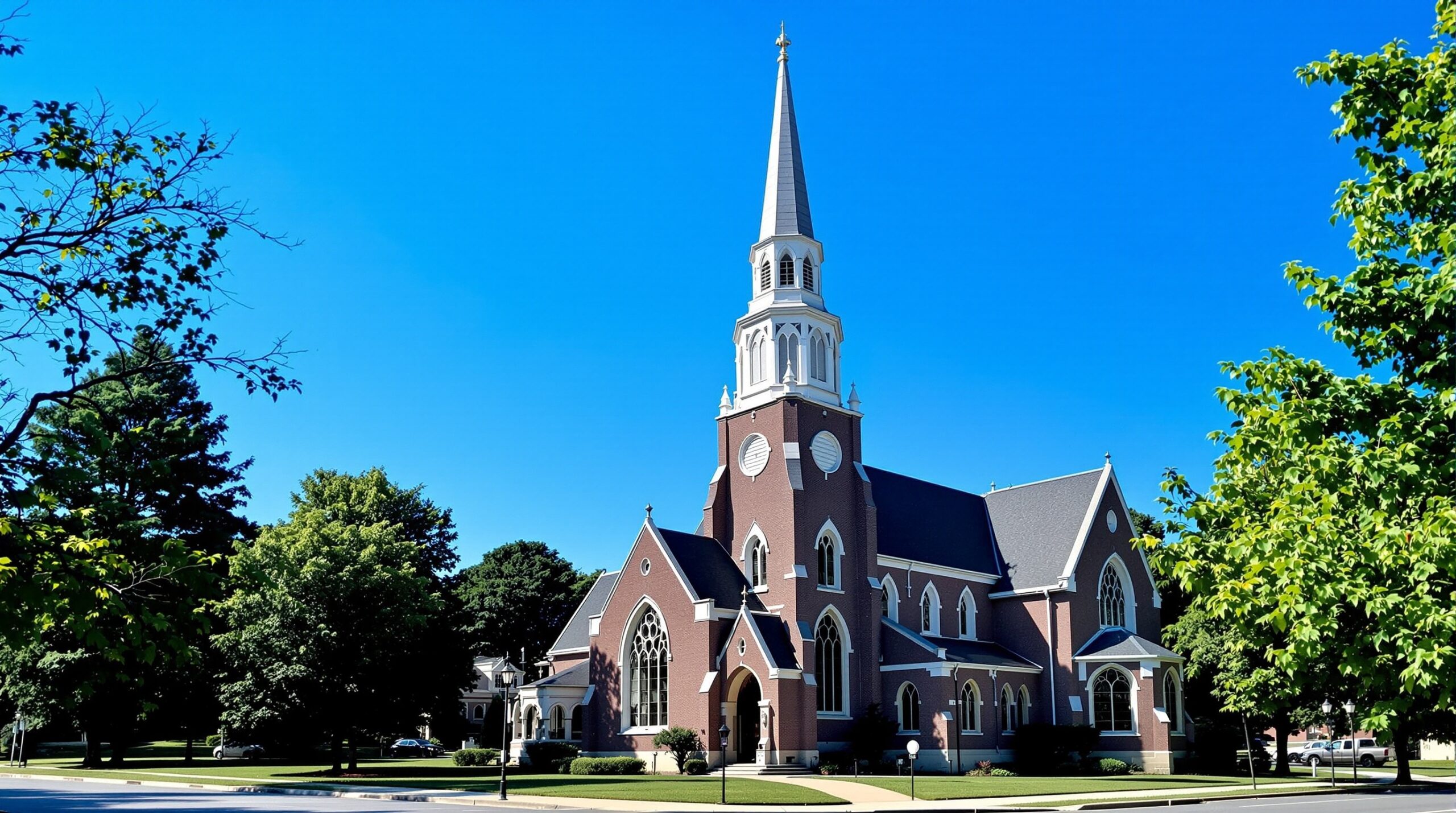
As you continue your exploration through the historical tapestry of Orange, VA, your journey inevitably leads you to the iconic St. Thomas Episcopal Church. Founded in 1740, this storied place of worship embodies the colonial heritage that flows through the veins of this town. Its façade, reminiscent of a bygone era, draws you in with an understated elegance that invites reflection.
The current structure, which was erected in 1833, is a stunning representation of the Gothic Revival style. As you approach the towering spire that pierces the sky, your gaze is captivated by the intricate woodwork that adorns the church, showcasing the artistry and craftsmanship of the time. The pointed arches and detailed embellishments not only serve as architectural highlights but also connect the present to the traditions of those early settlers who dedicated their faith to this sacred space.
Stepping inside, you are immediately enveloped by the tranquil atmosphere that permeates the air. The warm glow of candlelight complements the stunning stained-glass windows, which narrate biblical stories with vibrant colors and delicate designs. Each window is a masterpiece that has endured the test of time, capturing fleeting moments of divine inspiration while inviting quiet contemplation. It is said that on certain days, when the sunlight filters just right, the church is bathed in an ethereal light that feels almost otherworldly—a reminder of the spiritual legacy it continues to foster.
St. Thomas Episcopal Church has not just been a passive backdrop to history; it has played a significant role in the community, serving as a gathering place during times of celebration and contemplation alike. The community has come together here for weddings and baptisms, funerals, and festive celebrations, creating an enduring bond among the townsfolk. In fact, the church grounds host annual events that celebrate local culture and bring together residents and visitors, renewing that spirit of togetherness through shared experiences.
In our fast-paced modern world, the church stands as a serene anchor amid the changes that time brings. Whether you are a history buff, an architect enthusiast, or a seeker of spiritual solace, a visit to St. Thomas Episcopal Church offers a profound glimpse into the past and an opportunity to reflect on the faith that has guided generations. As you stand before its soaring spire against the backdrop of the blue Virginia sky, take a moment to appreciate not just the architecture, but also the stories that have unfolded within these walls, echoing whispers of centuries gone by.
| Feature | Description |
|---|---|
| Year Founded | 1740 |
| Current Structure Erected | 1833 |
| Architectural Style | Gothic Revival |
| Main Features | Pointed arches, intricate woodwork, stained-glass windows |
| Community Role | Gathering place for events, weddings, and celebrations |
Mayhurst Inn: A Step Back in Time
As your pilgrimage through the history-laden landscapes of Orange, VA continues, you cannot miss the allure of the Mayhurst Inn, an architectural gem that invites you to experience the grandeur of a different era. Built in 1859, during a time of great transformation in America, the inn echoes the charm and sophistication of Italianate architecture. With its wide overhanging eaves and tall, majestic windows, Mayhurst stands not just as a building but as a narrative woven into the very fabric of Virginia’s history.
Once the grand plantation home of the renowned Haden family, Mayhurst Inn has seamlessly transitioned from its antebellum roots into a luxurious haven for travelers seeking both comfort and connection to the past. As you approach, the inn’s cupola crowns its impressive silhouette, symbolizing the heights of history and hospitality entwined within its walls. The picturesque countryside encircling the inn offer breathtaking views, where rolling fields and whispering trees remind you of the tranquil lifestyle once enjoyed by the plantation’s residents.
Step inside, and you will be transported to a time when elegant hospitality reigned supreme. The inn’s restoration has honored its historical integrity while infusing modern comforts, allowing guests to enjoy luxurious accommodations with a touch of the past. Each room tells a story, adorned with period furnishings, hand-painted wallpaper, and exquisite details that make it clear that no effort was spared in retaining the authenticity of this exquisite residence. The common areas invite you to relax by the fireplace, sip a historical cocktail, or savor a gourmet breakfast that incorporates fresh ingredients sourced from local farms, harmonizing luxury with sustainability.
Your experience at Mayhurst is enriched by the lush gardens that surround the inn. As you walk along the pathways lined with flowering shrubs, you are enveloped by the scents of nature, encouraged to breathe deeply and embrace the serenity that this historic site offers. The grounds exude character—vestiges of the past intertwine with the present, where weddings take place under the shade of ancient trees, and seasonal events bring the community together in joyous celebration.
For those who enjoy exploring further afield, Mayhurst Inn is conveniently located near significant historical attractions, including Civil War battlefields and charming downtown Orange. Each day at the inn can culminate in guided storytelling sessions that reveal the lesser-known tales of the region—ghostly legends, local lore, and the overarching narratives that shaped this land. It is said that every corner of Mayhurst holds echoes of laughter, whispers of dreams, and secrets yet to be uncovered.
Whether you seek solace, romance, or a taste of history, Mayhurst Inn offers an unforgettable retreat. Here, time pauses as you embrace the elegance of days gone by, creating memories that linger long after your stay. As you take one last glance at the sunset casting a golden hue across the rolling hills, you’ll understand why so many have come to fall in love with this treasured landmark of Orange, VA.
| Feature | Description |
|---|---|
| Year Built | 1859 |
| Architectural Style | Italianate |
| Main Features | Wide overhanging eaves, tall windows, cupola |
| Original Purpose | Plantation home |
| Current Role | Luxurious inn with historical ambiance |
Orange County Courthouse: A Pillar of Democracy
Just a stone’s throw away from the inviting comforts of Mayhurst Inn lies another jewel of history: the Orange County Courthouse, a monumental edifice that serves not only as a gathering point for matters of governance but also as a testament to the rich tapestry of democratic ideals that flow through the veins of this community. Constructed in 1859 under the skilled eye of renowned architect Dabney Cosby, this courthouse is a distinguished exemplar of Greek Revival architecture, a style synonymous with strength, beauty, and civic pride.
As you approach the courthouse, notice its commanding presence—tall, stately columns rise majestically to support a portico that invites visitors into its stately embrace. The symmetrical facade speaks to the core principles of harmony and balance that lie at the heart of justice. Each architectural detail whispers stories of the past, crafting a narrative that stretches back to a time when these halls echoed with the fervor of impassioned debates, landmark decisions, and the ebb and flow of civic life.
Stepping inside, the atmosphere is rich with history. The grand foyer greets you with an air of dignity, as if the walls themselves are imbued with the spirit of the many cases deliberated within. Original courtroom features are preserved, providing a rare glimpse into the judiciary’s past, where emancipation, civil rights, and local grievances have shaped the legal landscape over the decades. The courtroom, with its high ceilings and intricate woodwork, stands ready to bear witness to the ongoing evolution of justice.
Yet, the courthouse is not just a relic but a living entity at the heart of Orange County. It continues to serve as the site for legal proceedings and community events, keeping alive the very ideals it was built to uphold. Monthly community gatherings, open forums, and educational programs foster civic engagement, ensuring that the courthouse remains relevant to contemporary issues—forging connections among generations through dialogues and shared experiences.
Across the lawn lies a Veterans Memorial, honoring those who have served the nation—a poignant reminder of the sacrifices made in the name of liberty and justice. As you walk past this tribute, you can’t help but feel a sense of gratitude for the countless individuals who have fought to ensure that the rights celebrated within these walls reach every citizen.
In its essence, the Orange County Courthouse embodies the resilience and spirit of its community. It serves not only as a judicial sanctuary but also as a backdrop for moments that have stitched together the fabric of history. Strolling around its grounds, you are enveloped in a palpable sense of purpose; the courthouse stands not just as an architectural marvel, but as a symbol of democracy where every visitor is invited to step into the story of America.
As you leave the courthouse, it’s impossible not to reflect on the gravity of the ideals it represents—ideals echoed in the gentle hills that cradle the town, ideals that resonate with the experiences shared at nearby landmarks like Mayhurst Inn. Each seed of history sown between them adds depth to your experience, crafting a narrative of resilience, beauty, and the unwavering pursuit of justice.
Next on your explorative journey is Montpelier Estate, the cherished home of none other than James Madison. Nestled against the awe-inspiring backdrop of the Blue Ridge Mountains, prepare to delve into the fascinating world of the founding father whose legacy interlaces with the very fabric of our nation’s democracy.
Nestled within the rolling green hills of Orange County, Montpelier Estate beckons with its enchanting blend of history and natural beauty. As the picturesque former home of James Madison, the fourth President of the United States and a pivotal architect of the Constitution, Montpelier offers visitors an invitation to step back in time and explore the very residence where ideas that shaped a nation took root.
Beyond the stately brick facade and the flawless symmetry of its Federal-style architecture, Montpelier is imbued with stories of a visionary’s life and his enduring legacy. Upon arrival, you are greeted by the sprawling expanse of manicured lawns, dotted with magnificent trees that have witnessed generations of important conversations and decisions. As you venture deeper into the estate, the majesty of the Blue Ridge Mountains serves as a stunning backdrop, reminding you of the natural beauty that captivated Madison himself.
The estate has undergone rigorous preservation efforts to ensure that its historical integrity is maintained. A guided tour through Montpelier allows you to gain insight into not only Madison’s life but also the context of the era in which he lived. You’ll find yourself inspired as you wander through the rooms where crucial discussions about liberty and governance took place. From the meticulously restored parlor to the standing library, each space feels alive with the weight of history.
Madison’s role as the ‘Father of the Constitution’ is echoed throughout Montpelier. The estate serves as a physical representation of the ideals he championed—rights, democracy, and the pursuit of knowledge. Informative exhibits and knowledgeable guides provide depth, sharing anecdotes of Madison’s contributions to the Federalist Papers and the Bill of Rights. It is here you can truly grasp how this significant figure navigated the complexities of nation-building, while also managing his own affairs on the estate, including the intricate relationships with enslaved people who helped sustain the household and plantation.
| Feature | Details |
|---|---|
| Construction Year | 1765 (originally built), with various renovations |
| Architectural Style | Federal Style |
| Land Area | 2,650 acres |
| Key Exhibits | Madison’s Library, Constitution Hall, Guided Tours |
| Special Events | Historical reenactments, Educational Programs, Seasonal Festivals |
The Montpelier Estate is not solely a relic of the past but a vibrant hub for cultural engagement. Throughout the year, it hosts a variety of events—from outdoor concerts to art exhibitions—that continue to attract history enthusiasts and families alike. Seasonal festivals allow visitors to immerse themselves in the social customs of the 18th century, reliving the traditions that would have filled this grand estate with laughter and celebration.
As you explore, take a moment to wander the beautiful gardens, where you can almost hear the echoes of Madison’s musings on democracy and freedom drifting through the air. The estate’s extensive grounds are not just picturesque; they are part of a living history that invites reflection and dialogue about the complex narrative of our nation’s founding principles.
In leaving Montpelier, you carry with you a deeper understanding of the foundations upon which our democracy stands. It’s an experience that enriches your journey through Orange County, culminating in a profound appreciation for the intertwined histories of its greatest landmarks. Just a short drive away awaits your next destination, The Holladay House, a venerable establishment that highlights another facet of this community’s rich heritage and its pioneering role in Virginia’s hospitality industry.
As you approach The Holladay House, you are greeted by the sight of its charming Federal-style façade, a hallmark of the architectural glory that characterizes the towns of Virginia. Built in 1830, this historic inn possesses an enchanting allure that captivates both the eye and the spirit. The eye-catching fanlight entryway and the meticulously crafted Flemish bond brickwork reflect the artisanal craftsmanship of a bygone era, proudly celebrating its century-long legacy of hospitality.
The Holladay House isn’t merely an inn; it is a living piece of Orange County’s history. Once serving as a refuge for weary travelers and a gathering place for community events, the Holladay House has seamlessly intertwined itself within the fabric of local life. Its walls are steeped in stories—tales of travelers searching for solace, farmers swapping local news, and families celebrating special occasions. Walking through its welcoming doors, you can’t help but feel the warmth of its history wrap around you like a well-worn quilt.
Stepping inside, guests are treated to an ambiance that evokes a sense of nostalgia. Lovingly restored, the interiors boast period furnishings that reflect the inn’s heritage while offering modern comforts. Original hardwood floors creak gently, whispering secrets of the past, while the harmonious blend of elegant decor and rustic charm invites you to relax as if you have found a second home. Each room is uniquely appointed, showcasing the history of the house as well as the beauty of the surrounding landscape.
The Holladay House hosts various events throughout the year, echoing its tradition of hospitality. From intimate gatherings to grand celebrations, this inn remains a vital part of the Orange community. Seasonal festivals and themed dinners highlight local cuisine, inviting guests to savor the flavors of Virginia while building connections that transcend time. The inn also serves as a starting point for exploring the rich historical tapestry of Orange, providing insights and recommendations for those who wish to venture beyond its welcoming walls.
The stories don’t stop at the front door; they extend to the very foundation of the Holladay House itself. Each brick laid and each beam raised speaks of the aspirations and dreams of its founders, reflecting the resilience of a community that continues to thrive. This historic inn is not only a tribute to early hospitality but also a testament to the spirit of togetherness that characterizes Orange County. Travelers and locals alike can come together here, sharing stories and creating new memories, all while surrounded by the whispers of history that linger in every corner.
As you explore beyond Montpelier’s grounds and venture to The Holladay House, you will discover a unique blend of history, culture, and community spirit. Each visit to this historic inn allows guests to immerse themselves not only in the warmth of its hospitality but also in a narrative that captures the essence of Orange’s past. With its roots firmly planted in the early days of Virginia’s innkeeping tradition, The Holladay House stands proud, ensuring that the stories of yesteryear do not fade into oblivion but instead continue to inspire generations to come.
In the heart of Orange, both the Holladay House and Montpelier Estate serve as shining examples of the rich cultural heritage that continues to thrive. Together, they remind us that while each building may tell its own story, they are all part of a larger narrative—a testament to the enduring spirit of a community deeply rooted in its history and committed to sharing that legacy with the world. So come, transport yourself through time, and revel in the extraordinary tales that await you in Orange County, Virginia.
Orange, VA’s historic architecture is not merely a backdrop; it is a vivid narrative that encapsulates the town’s journey through time. Each building stands as a testament to unique artistic sensibilities, reflecting a blend of styles that represent the diverse influences that have shaped this community. The intricate details of Gothic Revival, the symmetry of Greek Revival, and the understated elegance of Federal style work in harmony, creating a landscape that is both visually stunning and historically rich. As you stroll through the streets, the buildings whisper stories of past residents and events that have defined this corner of Virginia.
The iconic Montpelier Estate, once the lifelong home of James Madison, the fourth President of the United States, showcases the grand vision of the early 19th-century architecture. Its spacious rooms and sprawling grounds hint at the intellectual vibrancy that characterized Madison’s era. Tours of the estate offer a fascinating glimpse into the life of one of America’s Founding Fathers, with each room curated to reflect its historical significance. Visitors can walk through the very halls where ideas of democracy were discussed, reminding us that this was not just a home, but a pivotal space in the formation of American ideals.
Just a stone’s throw away lies the Mayhurst Inn, an exquisite example of Victorian architectural splendor. The inn’s picturesque turret and ornate woodwork invite you to delve into the charm of the 19th century. A visit here transcends time; guests are encouraged to take guided tours that delve deep into the history of the home, recounting anecdotes of its past owners and the Victorian social life that once thrived within its walls. Set against the backdrop of the Civil War, Mayhurst Inn served as a pivotal refuge for both soldiers and civilians, etching its significance into the scars of history.
Exploring these historical landmarks, one can’t help but admire how each structure contributes to the tapestry of Orange’s identity. Each architectural style tells a story, revealing the socio-economic conditions, artistic movements, and cultural shifts that have occurred over centuries. The preservation and restoration efforts of these buildings remind us not only of their beauty but of the essential narratives they carry—narratives that shape our understanding of who we are today.
Ultimately, the architectural heritage of Orange, VA, speaks to the community’s commitment to honoring its past. It serves as a reminder that history is not a fixed concept but a living entity that nourishes the present and guides the future. By engaging with these historical sites, visitors are offered a unique lens through which to view American history, encapsulated in brick and mortar, whispers of past lives, and the resilient spirit of a community dedicated to remembrance and celebration. So wander through Orange, let its architecture be your guide, and unravel the layers of history that await you at every turn. Each street, each building, holds an invitation—an opportunity to connect with a bygone era that still breathes through the heart of this remarkable town.
As you wander further into the picturesque streets of Orange, Virginia, you’ll find your journey peppered with architectural treasures that weave together the stories of those who came before us. Each building, with its distinct character, adds another layer to the intricate tapestry of local identity and heritage. A short stroll leads you to the stately Orange County Courthouse, a symbol of justice and democracy that has withstood the tests of time since its construction in 1860. This remarkable structure, designed in the neoclassical style, stands as a sentinel over the community’s historical narrative. The ornate columns and grand pediment convey a sense of permanence and stability that has welcomed citizens seeking legal recourse for over a century—and every meeting within its walls echoes the voices of spirited debates and solemn verdicts that have shaped the local landscape.
But the courthouse isn’t just a place of law; it’s fertile ground for the voices of our past. Imagine the fervent discussions during the Civil War, where conflict and hope intermingled among the townsfolk. Iconic figures, such as local leaders and civil rights advocates, have walked these very halls, leaving an indelible mark on Orange’s fiery spirit. Its very existence is a testament to the importance of civic engagement, inviting future generations to reflect on their rights and responsibilities as citizens. Each visit to the courthouse instantly turns into a journey through time, where you can almost hear the whispers of debates and discussions blending seamlessly with the rustling leaves of the surrounding trees.
Just around the corner, a gem awaits the discerning eye—St. Thomas Episcopal Church. Established in 1855, this Gothic Revival masterpiece boasts stunning stained glass windows that tell stories of faith, community, and resilience. Inside, the soft light cascades through the glass, painting the interior with hues of emerald, sapphire, and ambers—a visual symphony that resonates with the town’s deep spiritual roots. The church has served as a gathering space for generations, creating a sanctuary where community members come together to celebrate milestones and mourn losses. It has not only housed Sunday services but also numerous community events, from summer picnics to charity drives, further reinforcing its role as a heartbeat of local fellowship.
As the sun dips below the horizon, casting a golden glow on the streets of Orange, the evening calls for a visit to the historic Boyd Tavern. Built in 1815, this quaint establishment is more than just a tavern—it’s a slice of Americana where hospitality thrives. Its role as a waypoint for weary travelers seeking nourishment and respite captures the essence of bygone days, infusing the spirit of camaraderie into each corner. Imagine the raucous laughter and animated conversations of patrons gathered around flickering candlelight, sharing tales of their travels and triumphs. The walls of Boyd Tavern have been witnesses to history, where bonafide legends of the past were born and shaped over hearty meals and fresh ale.
Every exploration of Orange’s storied past brings you closer to the intricate mosaic of its community, painting a picture that transcends mere bricks and mortar. From the philanthropic efforts that sustain the elegant architecture to the narratives of past inhabitants echoing through each corridor, Orange is deserving of exploration and admiration. Each visit, fueled by curiosity and respect, allows you to connect with the essence of Virginia’s heritage and discover the threads that bind us to our shared history.
As the sun sets and the golden glow transforms into twilight, the streets of Orange beckon you to peel back the layers of its past. Dive into a world where each architectural marvel serves as not just a structure, but a living testament to the identities entwined within its walls. As you come to understand the stories and events tied to each building, you’ll find yourself not just an observer in the narrative, but a participant in the ever-evolving tale of Orange County, its people, and its heritage. Embrace the relics of history, immerse yourself in the culture, and allow Orange to weave its magic, ensuring that the voices of the past remain vibrantly alive in our collective consciousness.

Hi! I’m Jennifer Bailey and I partner with entrepreneurs who have massive ideas that could change the world. Most marketing is meaningless. Filled with empty promises, its only job is to bring in new traffic, new leads, and new customers. But I’ve drawn a line in the sand, and I’ve learned that marketing can do so much more than reach business goals and build profit. My methods give businesses the fire and soul they need to reach the right people, set the groundwork for sustainable relationships, and offer true value to the people on both the giving and receiving ends of marketing.
Subscribe for Updates
Sponsors


Latest Articles
March 2, 2026
Cowgirls (and Boys) Become Weekend Phenomenon at Unionville Brewery

March 2, 2026
County Program Launches Outdoor Adventure Series
March 2, 2026
Clearwater Fire Grill Remains a Steady Presence in Locust Grove

March 2, 2026
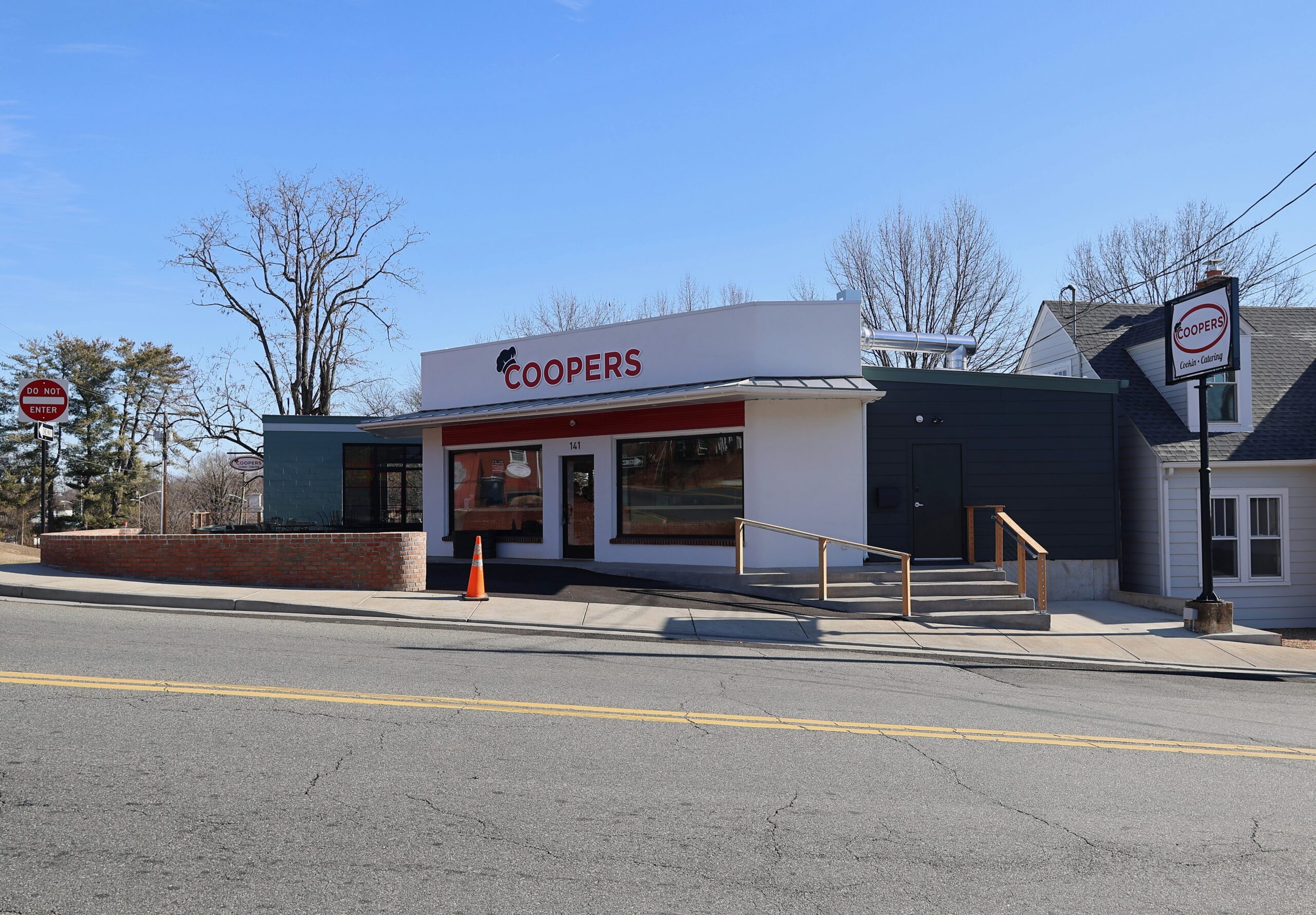
Coopers Cookin’ & Catering Connects Orange to a Reconstruction Era Food Tradition
March 2, 2026
New Police Chief, New Town Manager Mark a Shift in Orange Leadership

March 2, 2026
From 3 to 7%: How Mortgage Rates Reshaped the Housing Market and What it Means for 2026

Discovering Orange, VA
Imagine stepping into a storybook, where every corner has a tale to tell, and every building whispers secrets of days gone by. Nestled in the heart of Virginia, Orange is just that kind of place—a charming town where history and architecture come alive. As you stroll through its streets, you can’t help but feel the weight of its past, which is beautifully captured in the stunning buildings that fill the town.
From the Past to the Present
Orange is rich with history, and it’s not just found in old books or dusty museums. The true essence of its story is alive in the very walls of its historic structures. Each building is like a page torn from the town’s vibrant narrative, revealing the triumphs and challenges that shaped it over the years. In this article, we invite you to embark on a journey through time, exploring some of the most iconic historic buildings that grace this quaint landscape.
So, grab your walking shoes, and let’s uncover the timeless elegance of Orange, VA, where the past meets the present in a magical blend of stories waiting to be discovered.
St. Thomas Episcopal Church: A Beacon of History
As you continue your exploration through the historical tapestry of Orange, VA, your journey inevitably leads you to the iconic St. Thomas Episcopal Church. Founded in 1740, this storied place of worship embodies the colonial heritage that flows through the veins of this town. Its façade, reminiscent of a bygone era, draws you in with an understated elegance that invites reflection.
The current structure, which was erected in 1833, is a stunning representation of the Gothic Revival style. As you approach the towering spire that pierces the sky, your gaze is captivated by the intricate woodwork that adorns the church, showcasing the artistry and craftsmanship of the time. The pointed arches and detailed embellishments not only serve as architectural highlights but also connect the present to the traditions of those early settlers who dedicated their faith to this sacred space.
Stepping inside, you are immediately enveloped by the tranquil atmosphere that permeates the air. The warm glow of candlelight complements the stunning stained-glass windows, which narrate biblical stories with vibrant colors and delicate designs. Each window is a masterpiece that has endured the test of time, capturing fleeting moments of divine inspiration while inviting quiet contemplation. It is said that on certain days, when the sunlight filters just right, the church is bathed in an ethereal light that feels almost otherworldly—a reminder of the spiritual legacy it continues to foster.
St. Thomas Episcopal Church has not just been a passive backdrop to history; it has played a significant role in the community, serving as a gathering place during times of celebration and contemplation alike. The community has come together here for weddings and baptisms, funerals, and festive celebrations, creating an enduring bond among the townsfolk. In fact, the church grounds host annual events that celebrate local culture and bring together residents and visitors, renewing that spirit of togetherness through shared experiences.
In our fast-paced modern world, the church stands as a serene anchor amid the changes that time brings. Whether you are a history buff, an architect enthusiast, or a seeker of spiritual solace, a visit to St. Thomas Episcopal Church offers a profound glimpse into the past and an opportunity to reflect on the faith that has guided generations. As you stand before its soaring spire against the backdrop of the blue Virginia sky, take a moment to appreciate not just the architecture, but also the stories that have unfolded within these walls, echoing whispers of centuries gone by.
| Feature | Description |
|---|---|
| Year Founded | 1740 |
| Current Structure Erected | 1833 |
| Architectural Style | Gothic Revival |
| Main Features | Pointed arches, intricate woodwork, stained-glass windows |
| Community Role | Gathering place for events, weddings, and celebrations |
Mayhurst Inn: A Step Back in Time
As your pilgrimage through the history-laden landscapes of Orange, VA continues, you cannot miss the allure of the Mayhurst Inn, an architectural gem that invites you to experience the grandeur of a different era. Built in 1859, during a time of great transformation in America, the inn echoes the charm and sophistication of Italianate architecture. With its wide overhanging eaves and tall, majestic windows, Mayhurst stands not just as a building but as a narrative woven into the very fabric of Virginia’s history.
Once the grand plantation home of the renowned Haden family, Mayhurst Inn has seamlessly transitioned from its antebellum roots into a luxurious haven for travelers seeking both comfort and connection to the past. As you approach, the inn’s cupola crowns its impressive silhouette, symbolizing the heights of history and hospitality entwined within its walls. The picturesque countryside encircling the inn offer breathtaking views, where rolling fields and whispering trees remind you of the tranquil lifestyle once enjoyed by the plantation’s residents.
Step inside, and you will be transported to a time when elegant hospitality reigned supreme. The inn’s restoration has honored its historical integrity while infusing modern comforts, allowing guests to enjoy luxurious accommodations with a touch of the past. Each room tells a story, adorned with period furnishings, hand-painted wallpaper, and exquisite details that make it clear that no effort was spared in retaining the authenticity of this exquisite residence. The common areas invite you to relax by the fireplace, sip a historical cocktail, or savor a gourmet breakfast that incorporates fresh ingredients sourced from local farms, harmonizing luxury with sustainability.
Your experience at Mayhurst is enriched by the lush gardens that surround the inn. As you walk along the pathways lined with flowering shrubs, you are enveloped by the scents of nature, encouraged to breathe deeply and embrace the serenity that this historic site offers. The grounds exude character—vestiges of the past intertwine with the present, where weddings take place under the shade of ancient trees, and seasonal events bring the community together in joyous celebration.
For those who enjoy exploring further afield, Mayhurst Inn is conveniently located near significant historical attractions, including Civil War battlefields and charming downtown Orange. Each day at the inn can culminate in guided storytelling sessions that reveal the lesser-known tales of the region—ghostly legends, local lore, and the overarching narratives that shaped this land. It is said that every corner of Mayhurst holds echoes of laughter, whispers of dreams, and secrets yet to be uncovered.
Whether you seek solace, romance, or a taste of history, Mayhurst Inn offers an unforgettable retreat. Here, time pauses as you embrace the elegance of days gone by, creating memories that linger long after your stay. As you take one last glance at the sunset casting a golden hue across the rolling hills, you’ll understand why so many have come to fall in love with this treasured landmark of Orange, VA.
| Feature | Description |
|---|---|
| Year Built | 1859 |
| Architectural Style | Italianate |
| Main Features | Wide overhanging eaves, tall windows, cupola |
| Original Purpose | Plantation home |
| Current Role | Luxurious inn with historical ambiance |
Orange County Courthouse: A Pillar of Democracy
Just a stone’s throw away from the inviting comforts of Mayhurst Inn lies another jewel of history: the Orange County Courthouse, a monumental edifice that serves not only as a gathering point for matters of governance but also as a testament to the rich tapestry of democratic ideals that flow through the veins of this community. Constructed in 1859 under the skilled eye of renowned architect Dabney Cosby, this courthouse is a distinguished exemplar of Greek Revival architecture, a style synonymous with strength, beauty, and civic pride.
As you approach the courthouse, notice its commanding presence—tall, stately columns rise majestically to support a portico that invites visitors into its stately embrace. The symmetrical facade speaks to the core principles of harmony and balance that lie at the heart of justice. Each architectural detail whispers stories of the past, crafting a narrative that stretches back to a time when these halls echoed with the fervor of impassioned debates, landmark decisions, and the ebb and flow of civic life.
Stepping inside, the atmosphere is rich with history. The grand foyer greets you with an air of dignity, as if the walls themselves are imbued with the spirit of the many cases deliberated within. Original courtroom features are preserved, providing a rare glimpse into the judiciary’s past, where emancipation, civil rights, and local grievances have shaped the legal landscape over the decades. The courtroom, with its high ceilings and intricate woodwork, stands ready to bear witness to the ongoing evolution of justice.
Yet, the courthouse is not just a relic but a living entity at the heart of Orange County. It continues to serve as the site for legal proceedings and community events, keeping alive the very ideals it was built to uphold. Monthly community gatherings, open forums, and educational programs foster civic engagement, ensuring that the courthouse remains relevant to contemporary issues—forging connections among generations through dialogues and shared experiences.
Across the lawn lies a Veterans Memorial, honoring those who have served the nation—a poignant reminder of the sacrifices made in the name of liberty and justice. As you walk past this tribute, you can’t help but feel a sense of gratitude for the countless individuals who have fought to ensure that the rights celebrated within these walls reach every citizen.
In its essence, the Orange County Courthouse embodies the resilience and spirit of its community. It serves not only as a judicial sanctuary but also as a backdrop for moments that have stitched together the fabric of history. Strolling around its grounds, you are enveloped in a palpable sense of purpose; the courthouse stands not just as an architectural marvel, but as a symbol of democracy where every visitor is invited to step into the story of America.
As you leave the courthouse, it’s impossible not to reflect on the gravity of the ideals it represents—ideals echoed in the gentle hills that cradle the town, ideals that resonate with the experiences shared at nearby landmarks like Mayhurst Inn. Each seed of history sown between them adds depth to your experience, crafting a narrative of resilience, beauty, and the unwavering pursuit of justice.
Next on your explorative journey is Montpelier Estate, the cherished home of none other than James Madison. Nestled against the awe-inspiring backdrop of the Blue Ridge Mountains, prepare to delve into the fascinating world of the founding father whose legacy interlaces with the very fabric of our nation’s democracy.
Nestled within the rolling green hills of Orange County, Montpelier Estate beckons with its enchanting blend of history and natural beauty. As the picturesque former home of James Madison, the fourth President of the United States and a pivotal architect of the Constitution, Montpelier offers visitors an invitation to step back in time and explore the very residence where ideas that shaped a nation took root.
Beyond the stately brick facade and the flawless symmetry of its Federal-style architecture, Montpelier is imbued with stories of a visionary’s life and his enduring legacy. Upon arrival, you are greeted by the sprawling expanse of manicured lawns, dotted with magnificent trees that have witnessed generations of important conversations and decisions. As you venture deeper into the estate, the majesty of the Blue Ridge Mountains serves as a stunning backdrop, reminding you of the natural beauty that captivated Madison himself.
The estate has undergone rigorous preservation efforts to ensure that its historical integrity is maintained. A guided tour through Montpelier allows you to gain insight into not only Madison’s life but also the context of the era in which he lived. You’ll find yourself inspired as you wander through the rooms where crucial discussions about liberty and governance took place. From the meticulously restored parlor to the standing library, each space feels alive with the weight of history.
Madison’s role as the ‘Father of the Constitution’ is echoed throughout Montpelier. The estate serves as a physical representation of the ideals he championed—rights, democracy, and the pursuit of knowledge. Informative exhibits and knowledgeable guides provide depth, sharing anecdotes of Madison’s contributions to the Federalist Papers and the Bill of Rights. It is here you can truly grasp how this significant figure navigated the complexities of nation-building, while also managing his own affairs on the estate, including the intricate relationships with enslaved people who helped sustain the household and plantation.
| Feature | Details |
|---|---|
| Construction Year | 1765 (originally built), with various renovations |
| Architectural Style | Federal Style |
| Land Area | 2,650 acres |
| Key Exhibits | Madison’s Library, Constitution Hall, Guided Tours |
| Special Events | Historical reenactments, Educational Programs, Seasonal Festivals |
The Montpelier Estate is not solely a relic of the past but a vibrant hub for cultural engagement. Throughout the year, it hosts a variety of events—from outdoor concerts to art exhibitions—that continue to attract history enthusiasts and families alike. Seasonal festivals allow visitors to immerse themselves in the social customs of the 18th century, reliving the traditions that would have filled this grand estate with laughter and celebration.
As you explore, take a moment to wander the beautiful gardens, where you can almost hear the echoes of Madison’s musings on democracy and freedom drifting through the air. The estate’s extensive grounds are not just picturesque; they are part of a living history that invites reflection and dialogue about the complex narrative of our nation’s founding principles.
In leaving Montpelier, you carry with you a deeper understanding of the foundations upon which our democracy stands. It’s an experience that enriches your journey through Orange County, culminating in a profound appreciation for the intertwined histories of its greatest landmarks. Just a short drive away awaits your next destination, The Holladay House, a venerable establishment that highlights another facet of this community’s rich heritage and its pioneering role in Virginia’s hospitality industry.
As you approach The Holladay House, you are greeted by the sight of its charming Federal-style façade, a hallmark of the architectural glory that characterizes the towns of Virginia. Built in 1830, this historic inn possesses an enchanting allure that captivates both the eye and the spirit. The eye-catching fanlight entryway and the meticulously crafted Flemish bond brickwork reflect the artisanal craftsmanship of a bygone era, proudly celebrating its century-long legacy of hospitality.
The Holladay House isn’t merely an inn; it is a living piece of Orange County’s history. Once serving as a refuge for weary travelers and a gathering place for community events, the Holladay House has seamlessly intertwined itself within the fabric of local life. Its walls are steeped in stories—tales of travelers searching for solace, farmers swapping local news, and families celebrating special occasions. Walking through its welcoming doors, you can’t help but feel the warmth of its history wrap around you like a well-worn quilt.
Stepping inside, guests are treated to an ambiance that evokes a sense of nostalgia. Lovingly restored, the interiors boast period furnishings that reflect the inn’s heritage while offering modern comforts. Original hardwood floors creak gently, whispering secrets of the past, while the harmonious blend of elegant decor and rustic charm invites you to relax as if you have found a second home. Each room is uniquely appointed, showcasing the history of the house as well as the beauty of the surrounding landscape.
The Holladay House hosts various events throughout the year, echoing its tradition of hospitality. From intimate gatherings to grand celebrations, this inn remains a vital part of the Orange community. Seasonal festivals and themed dinners highlight local cuisine, inviting guests to savor the flavors of Virginia while building connections that transcend time. The inn also serves as a starting point for exploring the rich historical tapestry of Orange, providing insights and recommendations for those who wish to venture beyond its welcoming walls.
The stories don’t stop at the front door; they extend to the very foundation of the Holladay House itself. Each brick laid and each beam raised speaks of the aspirations and dreams of its founders, reflecting the resilience of a community that continues to thrive. This historic inn is not only a tribute to early hospitality but also a testament to the spirit of togetherness that characterizes Orange County. Travelers and locals alike can come together here, sharing stories and creating new memories, all while surrounded by the whispers of history that linger in every corner.
As you explore beyond Montpelier’s grounds and venture to The Holladay House, you will discover a unique blend of history, culture, and community spirit. Each visit to this historic inn allows guests to immerse themselves not only in the warmth of its hospitality but also in a narrative that captures the essence of Orange’s past. With its roots firmly planted in the early days of Virginia’s innkeeping tradition, The Holladay House stands proud, ensuring that the stories of yesteryear do not fade into oblivion but instead continue to inspire generations to come.
In the heart of Orange, both the Holladay House and Montpelier Estate serve as shining examples of the rich cultural heritage that continues to thrive. Together, they remind us that while each building may tell its own story, they are all part of a larger narrative—a testament to the enduring spirit of a community deeply rooted in its history and committed to sharing that legacy with the world. So come, transport yourself through time, and revel in the extraordinary tales that await you in Orange County, Virginia.
Orange, VA’s historic architecture is not merely a backdrop; it is a vivid narrative that encapsulates the town’s journey through time. Each building stands as a testament to unique artistic sensibilities, reflecting a blend of styles that represent the diverse influences that have shaped this community. The intricate details of Gothic Revival, the symmetry of Greek Revival, and the understated elegance of Federal style work in harmony, creating a landscape that is both visually stunning and historically rich. As you stroll through the streets, the buildings whisper stories of past residents and events that have defined this corner of Virginia.
The iconic Montpelier Estate, once the lifelong home of James Madison, the fourth President of the United States, showcases the grand vision of the early 19th-century architecture. Its spacious rooms and sprawling grounds hint at the intellectual vibrancy that characterized Madison’s era. Tours of the estate offer a fascinating glimpse into the life of one of America’s Founding Fathers, with each room curated to reflect its historical significance. Visitors can walk through the very halls where ideas of democracy were discussed, reminding us that this was not just a home, but a pivotal space in the formation of American ideals.
Just a stone’s throw away lies the Mayhurst Inn, an exquisite example of Victorian architectural splendor. The inn’s picturesque turret and ornate woodwork invite you to delve into the charm of the 19th century. A visit here transcends time; guests are encouraged to take guided tours that delve deep into the history of the home, recounting anecdotes of its past owners and the Victorian social life that once thrived within its walls. Set against the backdrop of the Civil War, Mayhurst Inn served as a pivotal refuge for both soldiers and civilians, etching its significance into the scars of history.
Exploring these historical landmarks, one can’t help but admire how each structure contributes to the tapestry of Orange’s identity. Each architectural style tells a story, revealing the socio-economic conditions, artistic movements, and cultural shifts that have occurred over centuries. The preservation and restoration efforts of these buildings remind us not only of their beauty but of the essential narratives they carry—narratives that shape our understanding of who we are today.
Ultimately, the architectural heritage of Orange, VA, speaks to the community’s commitment to honoring its past. It serves as a reminder that history is not a fixed concept but a living entity that nourishes the present and guides the future. By engaging with these historical sites, visitors are offered a unique lens through which to view American history, encapsulated in brick and mortar, whispers of past lives, and the resilient spirit of a community dedicated to remembrance and celebration. So wander through Orange, let its architecture be your guide, and unravel the layers of history that await you at every turn. Each street, each building, holds an invitation—an opportunity to connect with a bygone era that still breathes through the heart of this remarkable town.
As you wander further into the picturesque streets of Orange, Virginia, you’ll find your journey peppered with architectural treasures that weave together the stories of those who came before us. Each building, with its distinct character, adds another layer to the intricate tapestry of local identity and heritage. A short stroll leads you to the stately Orange County Courthouse, a symbol of justice and democracy that has withstood the tests of time since its construction in 1860. This remarkable structure, designed in the neoclassical style, stands as a sentinel over the community’s historical narrative. The ornate columns and grand pediment convey a sense of permanence and stability that has welcomed citizens seeking legal recourse for over a century—and every meeting within its walls echoes the voices of spirited debates and solemn verdicts that have shaped the local landscape.
But the courthouse isn’t just a place of law; it’s fertile ground for the voices of our past. Imagine the fervent discussions during the Civil War, where conflict and hope intermingled among the townsfolk. Iconic figures, such as local leaders and civil rights advocates, have walked these very halls, leaving an indelible mark on Orange’s fiery spirit. Its very existence is a testament to the importance of civic engagement, inviting future generations to reflect on their rights and responsibilities as citizens. Each visit to the courthouse instantly turns into a journey through time, where you can almost hear the whispers of debates and discussions blending seamlessly with the rustling leaves of the surrounding trees.
Just around the corner, a gem awaits the discerning eye—St. Thomas Episcopal Church. Established in 1855, this Gothic Revival masterpiece boasts stunning stained glass windows that tell stories of faith, community, and resilience. Inside, the soft light cascades through the glass, painting the interior with hues of emerald, sapphire, and ambers—a visual symphony that resonates with the town’s deep spiritual roots. The church has served as a gathering space for generations, creating a sanctuary where community members come together to celebrate milestones and mourn losses. It has not only housed Sunday services but also numerous community events, from summer picnics to charity drives, further reinforcing its role as a heartbeat of local fellowship.
As the sun dips below the horizon, casting a golden glow on the streets of Orange, the evening calls for a visit to the historic Boyd Tavern. Built in 1815, this quaint establishment is more than just a tavern—it’s a slice of Americana where hospitality thrives. Its role as a waypoint for weary travelers seeking nourishment and respite captures the essence of bygone days, infusing the spirit of camaraderie into each corner. Imagine the raucous laughter and animated conversations of patrons gathered around flickering candlelight, sharing tales of their travels and triumphs. The walls of Boyd Tavern have been witnesses to history, where bonafide legends of the past were born and shaped over hearty meals and fresh ale.
Every exploration of Orange’s storied past brings you closer to the intricate mosaic of its community, painting a picture that transcends mere bricks and mortar. From the philanthropic efforts that sustain the elegant architecture to the narratives of past inhabitants echoing through each corridor, Orange is deserving of exploration and admiration. Each visit, fueled by curiosity and respect, allows you to connect with the essence of Virginia’s heritage and discover the threads that bind us to our shared history.
As the sun sets and the golden glow transforms into twilight, the streets of Orange beckon you to peel back the layers of its past. Dive into a world where each architectural marvel serves as not just a structure, but a living testament to the identities entwined within its walls. As you come to understand the stories and events tied to each building, you’ll find yourself not just an observer in the narrative, but a participant in the ever-evolving tale of Orange County, its people, and its heritage. Embrace the relics of history, immerse yourself in the culture, and allow Orange to weave its magic, ensuring that the voices of the past remain vibrantly alive in our collective consciousness.
Hi! I’m Jennifer Bailey and I partner with entrepreneurs who have massive ideas that could change the world. Most marketing is meaningless. Filled with empty promises, its only job is to bring in new traffic, new leads, and new customers. But I’ve drawn a line in the sand, and I’ve learned that marketing can do so much more than reach business goals and build profit. My methods give businesses the fire and soul they need to reach the right people, set the groundwork for sustainable relationships, and offer true value to the people on both the giving and receiving ends of marketing.
Subscribe for Updates
Sponsors
latest articles
March 2, 2026
Cowgirls (and Boys) Become Weekend Phenomenon at Unionville Brewery
March 2, 2026
County Program Launches Outdoor Adventure Series
March 2, 2026
Clearwater Fire Grill Remains a Steady Presence in Locust Grove
March 2, 2026
Coopers Cookin’ & Catering Connects Orange to a Reconstruction Era Food Tradition
March 2, 2026
New Police Chief, New Town Manager Mark a Shift in Orange Leadership
March 2, 2026
From 3 to 7%: How Mortgage Rates Reshaped the Housing Market and What it Means for 2026
Coopers Cookin’ & Catering Connects Orange to a Reconstruction Era Food Tradition
Newly relocated at 141 Caroline Street in Orange, Coopers Cookin’ & Catering serves Southern staples rooted in a family history…
Article By Judi Cooper
New Police Chief, New Town Manager Mark a Shift in Orange Leadership
The Town of Orange opened 2026 with a series of major leadership changes, headlined by the appointment of Rebecca Davis…
Article By Judi Cooper

The OCHS Alumni and Friends Foundation Part Two: Interview with Founder Bill Hager
It is often said that graduation is not the end, but the beginning of a lifelong relationship with one’s alma…