
Data centers are an international news topic, and Virginia has become the epicenter of this technology. According to Datacentermap.com, a clearinghouse that has tracked data centers since 2007, there are currently more than 4,000 data centers in the United States and more than 600 data centers are in the Commonwealth of Virginia, with many more in various stages of the application process. Other sources claim that there are more than 5,000 centers in the US.
The companies behind the growth of large scale data centers, Google, Amazon, Microsoft, and others, have tremendous resources. They have rewarded counties and municipalities with hundreds of millions of dollars in exchange for the rights to site data centers in their areas. Counties have reported being able to lower property taxes, better fund school divisions, and build and fund services such as fire and EMS.
Data centers have been around for decades, beginning with computer rooms inside various businesses and facilities. They house servers and digital infrastructure. Today, with the explosion of cloud computing and artificial intelligence, data centers are hundreds of thousands of square feet each. Large data centers require hundreds of megawatts of electricity (100 megawatts powers approximately 16,000 homes). Some of the largest data centers require as much as 2 Gigawatts of electricity.
Water usage is another issue with data centers. Computer servers generate large quantities of heat, and some data centers are water cooled, with some requiring millions of gallons per day. Newer technology uses closed loop water cooling, significantly reducing the amount of water used. Other data centers are air cooled, reducing water usage but requiring more electricity.
Data center developers are currently working on on-site electricity generation to reduce dependency on the power grid. Generators powered by natural gas are the current choice, but companies are researching small modular nuclear reactors for onsite power generation. These generators produce noise and emissions.
Many of our neighbors in northern Virginia are suffering from negative impacts of data centers because zoning did not sufficiently anticipate water usage, electricity demand, noise pollution, or viewscape impacts.
The Orange County Planning and Zoning Department, the Planning Commission (PC), and the Board of Supervisors (BOS) have been working for months to develop measures to require any data centers looking to build in Orange County to meet standards that would maintain the rural quality of the County and minimize the negative impact of these facilities.
Currently, a data center could conceivably be built “by right” in an industrial zone in the County, without the conditions that are in the current planning document being developed. At its December 4th meeting, the OC PC approved the creation of a Technology District that would require developers to obtain a Special Use Permit to build a data center in Orange County. This detailed document includes setbacks and buffer zones; a prohibition against drawing water from the Rapidan River, streams, or aquifers; noise restrictions; aesthetic requirements; and several other conditions. The document now goes to the Board of Supervisors for their examination.

Dave Davies is an educational consultant and community volunteer. After 42 years as a private school administrator, he is partially retired and lives at Lake of the Woods. Dave serves as Board Chair at LOWLINC and chairs the LOW External Affairs and Lakes Committees.
Subscribe for Updates
Sponsors

Latest Articles
March 2, 2026
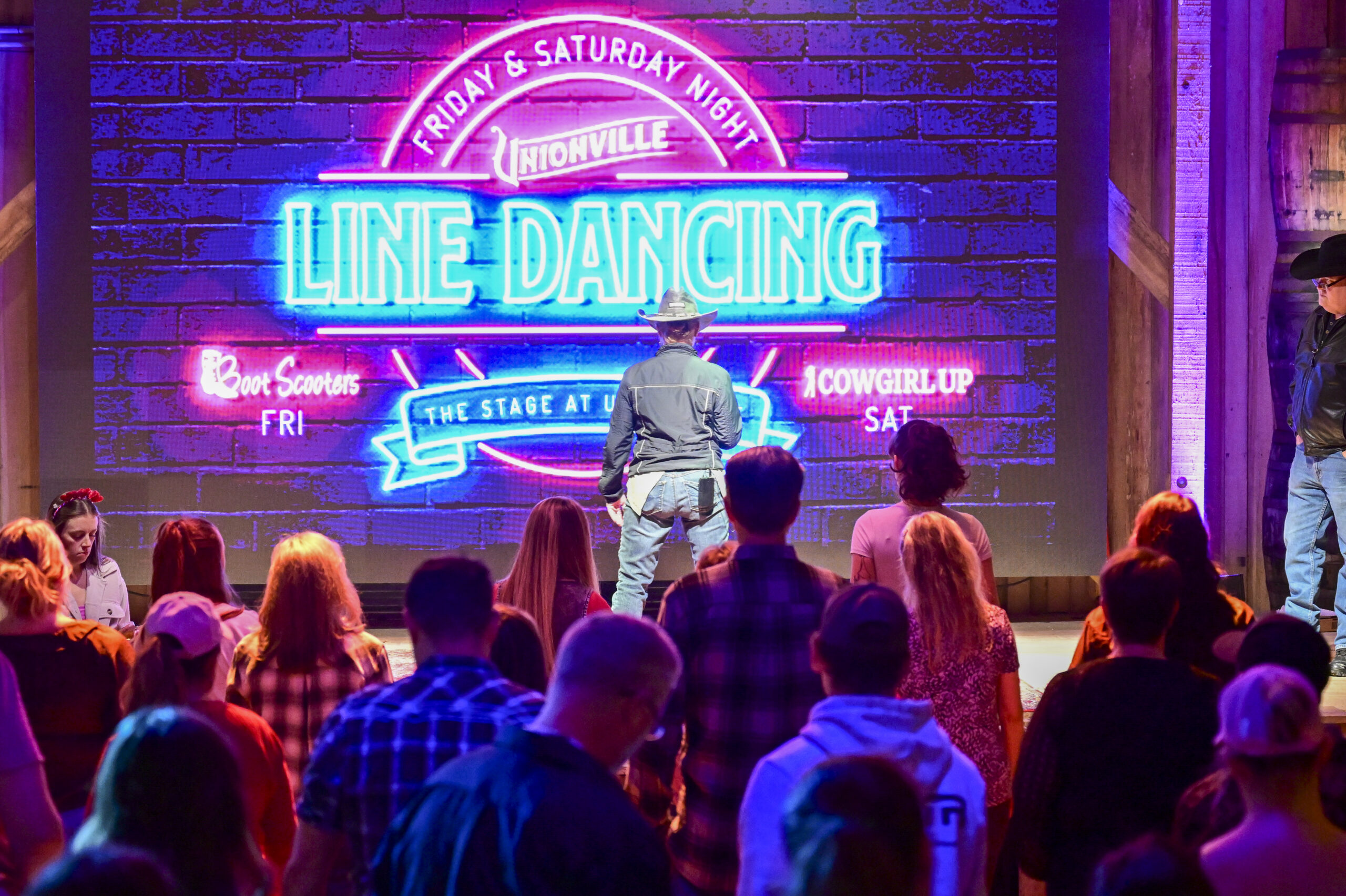
Cowgirls (and Boys) Become Weekend Phenomenon at Unionville Brewery
March 2, 2026
County Program Launches Outdoor Adventure Series
March 2, 2026
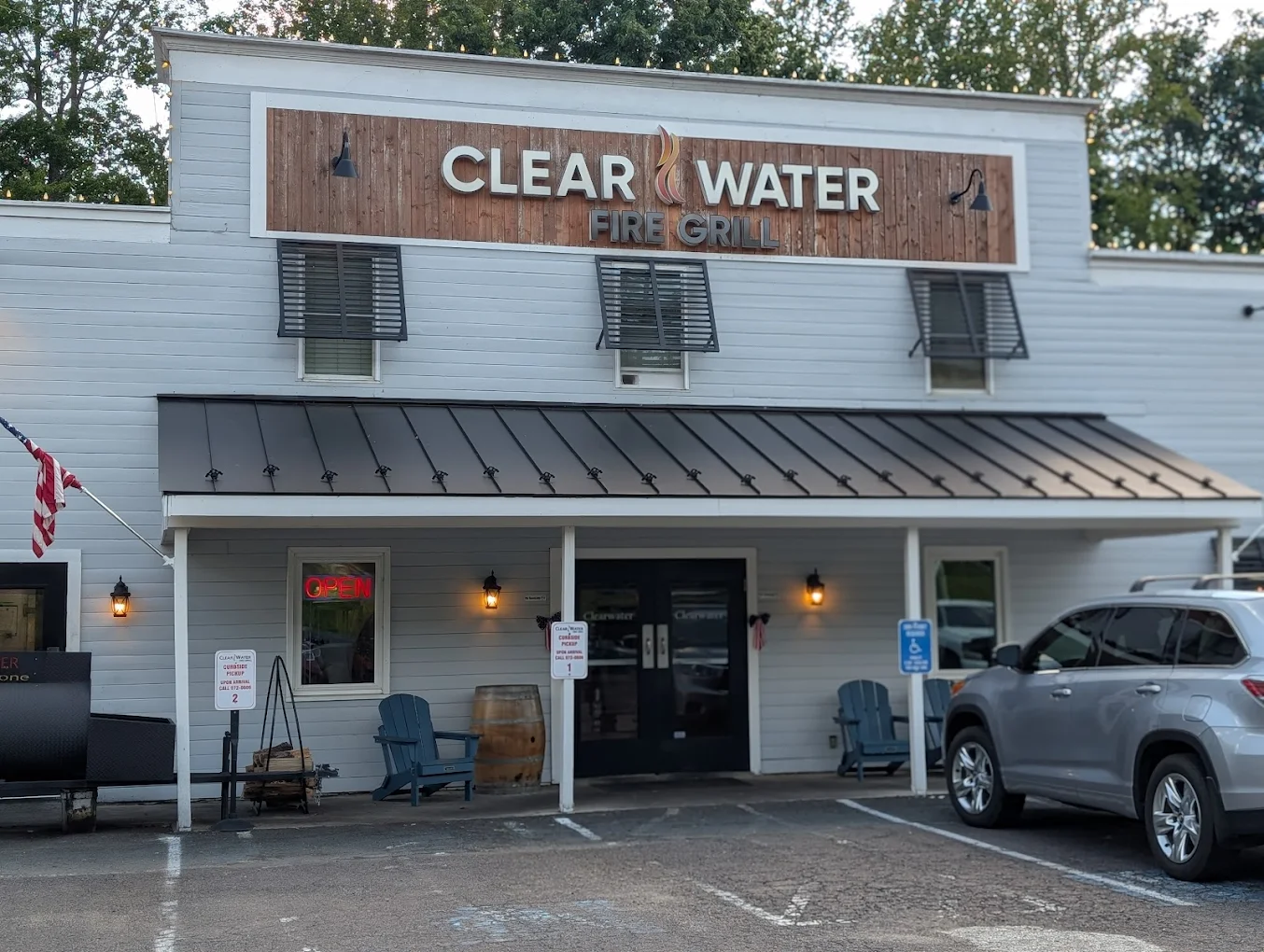
Clearwater Fire Grill Remains a Steady Presence in Locust Grove
March 2, 2026
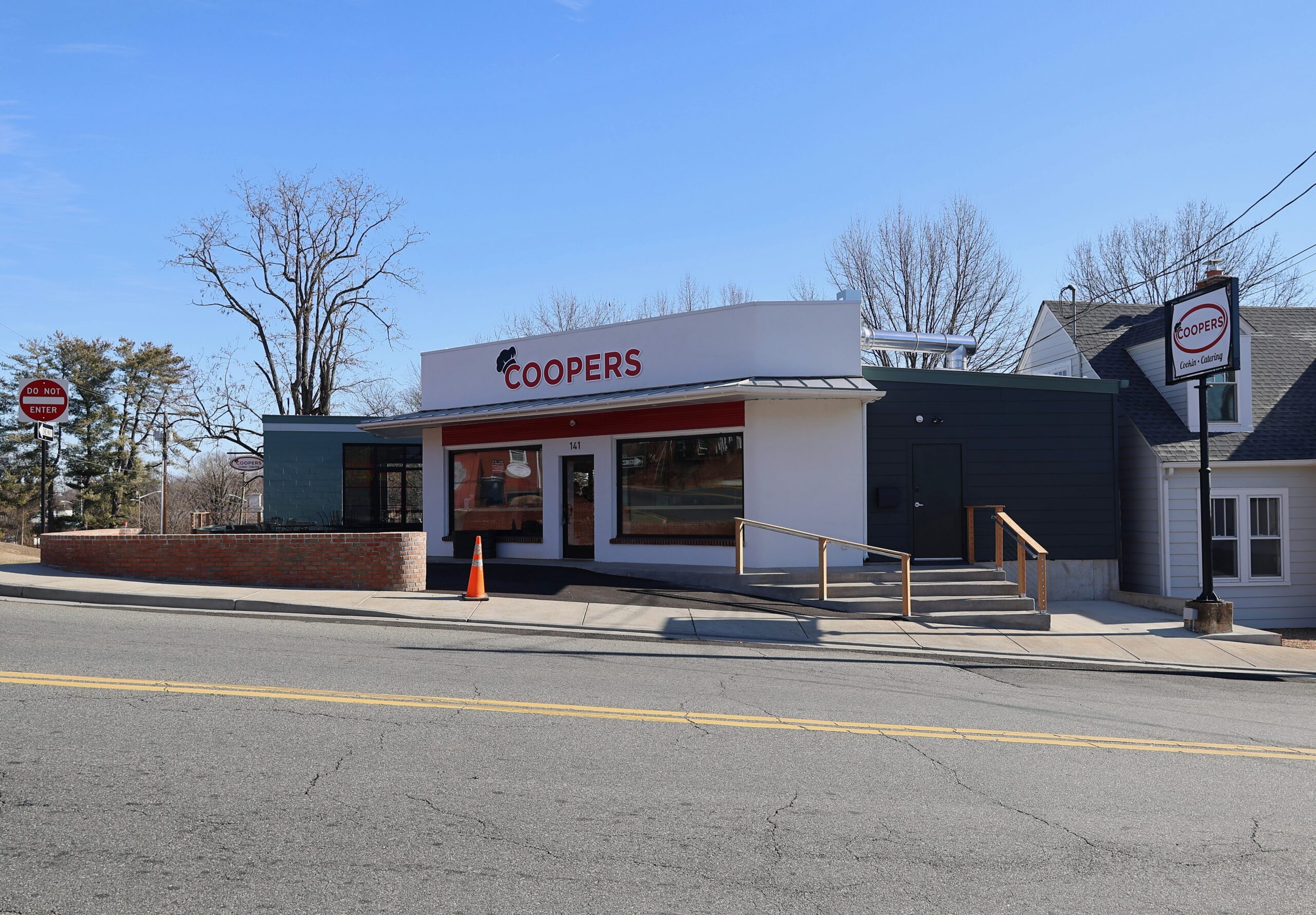
Coopers Cookin’ & Catering Connects Orange to a Reconstruction Era Food Tradition
March 2, 2026
New Police Chief, New Town Manager Mark a Shift in Orange Leadership
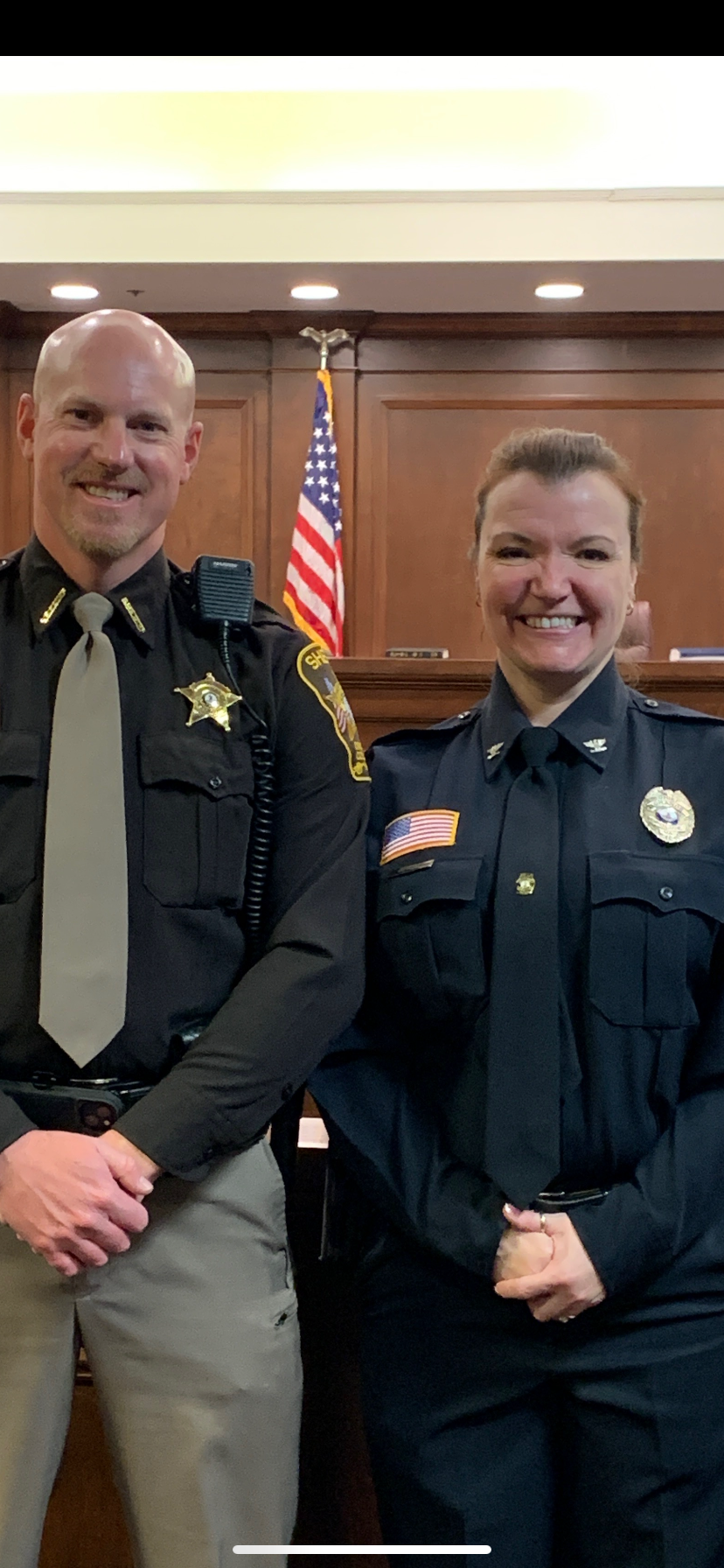
March 2, 2026
From 3 to 7%: How Mortgage Rates Reshaped the Housing Market and What it Means for 2026

Data centers are an international news topic, and Virginia has become the epicenter of this technology. According to Datacentermap.com, a clearinghouse that has tracked data centers since 2007, there are currently more than 4,000 data centers in the United States and more than 600 data centers are in the Commonwealth of Virginia, with many more in various stages of the application process. Other sources claim that there are more than 5,000 centers in the US.
The companies behind the growth of large scale data centers, Google, Amazon, Microsoft, and others, have tremendous resources. They have rewarded counties and municipalities with hundreds of millions of dollars in exchange for the rights to site data centers in their areas. Counties have reported being able to lower property taxes, better fund school divisions, and build and fund services such as fire and EMS.
Data centers have been around for decades, beginning with computer rooms inside various businesses and facilities. They house servers and digital infrastructure. Today, with the explosion of cloud computing and artificial intelligence, data centers are hundreds of thousands of square feet each. Large data centers require hundreds of megawatts of electricity (100 megawatts powers approximately 16,000 homes). Some of the largest data centers require as much as 2 Gigawatts of electricity.
Water usage is another issue with data centers. Computer servers generate large quantities of heat, and some data centers are water cooled, with some requiring millions of gallons per day. Newer technology uses closed loop water cooling, significantly reducing the amount of water used. Other data centers are air cooled, reducing water usage but requiring more electricity.
Data center developers are currently working on on-site electricity generation to reduce dependency on the power grid. Generators powered by natural gas are the current choice, but companies are researching small modular nuclear reactors for onsite power generation. These generators produce noise and emissions.
Many of our neighbors in northern Virginia are suffering from negative impacts of data centers because zoning did not sufficiently anticipate water usage, electricity demand, noise pollution, or viewscape impacts.
The Orange County Planning and Zoning Department, the Planning Commission (PC), and the Board of Supervisors (BOS) have been working for months to develop measures to require any data centers looking to build in Orange County to meet standards that would maintain the rural quality of the County and minimize the negative impact of these facilities.
Currently, a data center could conceivably be built “by right” in an industrial zone in the County, without the conditions that are in the current planning document being developed. At its December 4th meeting, the OC PC approved the creation of a Technology District that would require developers to obtain a Special Use Permit to build a data center in Orange County. This detailed document includes setbacks and buffer zones; a prohibition against drawing water from the Rapidan River, streams, or aquifers; noise restrictions; aesthetic requirements; and several other conditions. The document now goes to the Board of Supervisors for their examination.
Dave Davies is an educational consultant and community volunteer. After 42 years as a private school administrator, he is partially retired and lives at Lake of the Woods. Dave serves as Board Chair at LOWLINC and chairs the LOW External Affairs and Lakes Committees.
Subscribe for Updates
Sponsors
latest articles
March 2, 2026
Cowgirls (and Boys) Become Weekend Phenomenon at Unionville Brewery
March 2, 2026
County Program Launches Outdoor Adventure Series
March 2, 2026
Clearwater Fire Grill Remains a Steady Presence in Locust Grove
March 2, 2026
Coopers Cookin’ & Catering Connects Orange to a Reconstruction Era Food Tradition
March 2, 2026
New Police Chief, New Town Manager Mark a Shift in Orange Leadership
March 2, 2026
From 3 to 7%: How Mortgage Rates Reshaped the Housing Market and What it Means for 2026
Coopers Cookin’ & Catering Connects Orange to a Reconstruction Era Food Tradition
Newly relocated at 141 Caroline Street in Orange, Coopers Cookin’ & Catering serves Southern staples rooted in a family history…
Article By Judi Cooper
New Police Chief, New Town Manager Mark a Shift in Orange Leadership
The Town of Orange opened 2026 with a series of major leadership changes, headlined by the appointment of Rebecca Davis…
Article By Judi Cooper

The OCHS Alumni and Friends Foundation Part Two: Interview with Founder Bill Hager
It is often said that graduation is not the end, but the beginning of a lifelong relationship with one’s alma…