
As many are aware, in 2025, Orange County implemented one of the most significant changes to our real estate tax assessment system in decades. The shift affected how our properties are valued, how often assessments occur, and how, as homeowners, those values can be challenged if we believe they are inaccurate.
Since at least 1996, Orange County relied on a four-year reassessment cycle, commonly referred to as the CHAS (Computer-Assisted Mass Appraisal) system. Under this approach, assessed values were updated only once every four years, remaining unchanged between reassessments regardless of market conditions. The last reassessment under this system occurred in 2020, meaning property values used for taxation did not reflect the dramatic real estate price increases that followed during the COVID-era housing boom. As a result, assessed values increasingly lagged behind true market values.
To modernize the process, the County established a Real Estate Assessment Department in 2024.
eginning in 2025, this department assumed responsibility for annual real estate assessments, eliminating the need for infrequent, outsourced mass appraisals. Under the new system, all properties are assessed every year; assessments are based on 100% fair market value; valuations reflect current sales data and market trends; and adjustments are incremental rather than delayed and dramatic. This change was designed to create greater fairness, transparency, and predictability in property taxation.
The 2025 reassessment resulted in an average increase of approximately 32% countywide. While the increase was startling for many homeowners, it largely reflected a catch-up effect after five years without reassessment — not a sudden spike in property values during 2025 itself. To offset this adjustment, the Board of Supervisors lowered the real estate tax rate through a process known as rate equalization.
Recognizing the magnitude of the change, Orange County provided a structured and accessible appeal process for property owners who believed their assessment was inaccurate. The first step is an Informal Review with the Real Estate Assessment Department. During this review, property owners could verify property details (square footage, acreage, condition), submit recent comparable sales, and/or provide appraisals or evidence of physical issues affecting value. Many corrections were resolved at this stage without the need for a formal appeal.
If a homeowner disagreed with the informal review outcome, they could file a formal appeal with the County’s Board of Equalization (BOE). This independent board of five OC residents reviewed evidence and testimony and had the authority to reduce an assessment, uphold the assessment, and/or increase the assessment if undervalued. Appeals were required to demonstrate that the assessed value exceeded fair market value as of January 1, 2025.
The appeal process focused strictly on valuation accuracy, not tax burden. Appeals could not be based on tax affordability concerns, comparisons to neighbors’ tax bills, and /or general dissatisfaction with higher taxes.
According to Charley Haney, OC Assessor, there are a total of 21,270 active parcels, of which 596 are non-tax. Approximately 350 appeals were received with a total of $738,300 in net reductions. Five owners took a total of ten parcels to the BOE for a total reduction of $890,000.
The assessment office is comprised of the assessor, two appraisers, and a program coordinator who reads deeds and plats and transfers that information to our assessment program, among other duties. “We are very proud of our first reassessment in which we increased our assessment/sales ratio from 62.7% to 90.7 %. Among other things, this means the county can better serve its citizens, and the schools will get their fair share of state money,” said Mr. Haney.
As a side note, Mr. Haney stated that the BOE is seeking a 2nd alternate member. If you are interested in applying, please go to the county website for an application.
With annual assessments now in place, Orange County homeowners should expect smaller, more predictable changes year to year, greater alignment between assessed values and actual market prices, and fewer dramatic corrections like the one experienced in 2025.

Pat Licata of The Licata Group/eXp Realty has been a Realtor since 2010. She and her husband, John, also a Realtor, lead a team of professional agents who service the region.
Subscribe for Updates
Sponsors


Latest Articles
March 2, 2026
Cowgirls (and Boys) Become Weekend Phenomenon at Unionville Brewery

March 2, 2026
County Program Launches Outdoor Adventure Series
March 2, 2026
Clearwater Fire Grill Remains a Steady Presence in Locust Grove

March 2, 2026
Coopers Cookin’ & Catering Connects Orange to a Reconstruction Era Food Tradition
March 2, 2026
New Police Chief, New Town Manager Mark a Shift in Orange Leadership
March 2, 2026
From 3 to 7%: How Mortgage Rates Reshaped the Housing Market and What it Means for 2026

As many are aware, in 2025, Orange County implemented one of the most significant changes to our real estate tax assessment system in decades. The shift affected how our properties are valued, how often assessments occur, and how, as homeowners, those values can be challenged if we believe they are inaccurate.
Since at least 1996, Orange County relied on a four-year reassessment cycle, commonly referred to as the CHAS (Computer-Assisted Mass Appraisal) system. Under this approach, assessed values were updated only once every four years, remaining unchanged between reassessments regardless of market conditions. The last reassessment under this system occurred in 2020, meaning property values used for taxation did not reflect the dramatic real estate price increases that followed during the COVID-era housing boom. As a result, assessed values increasingly lagged behind true market values.
To modernize the process, the County established a Real Estate Assessment Department in 2024.
eginning in 2025, this department assumed responsibility for annual real estate assessments, eliminating the need for infrequent, outsourced mass appraisals. Under the new system, all properties are assessed every year; assessments are based on 100% fair market value; valuations reflect current sales data and market trends; and adjustments are incremental rather than delayed and dramatic. This change was designed to create greater fairness, transparency, and predictability in property taxation.
The 2025 reassessment resulted in an average increase of approximately 32% countywide. While the increase was startling for many homeowners, it largely reflected a catch-up effect after five years without reassessment — not a sudden spike in property values during 2025 itself. To offset this adjustment, the Board of Supervisors lowered the real estate tax rate through a process known as rate equalization.
Recognizing the magnitude of the change, Orange County provided a structured and accessible appeal process for property owners who believed their assessment was inaccurate. The first step is an Informal Review with the Real Estate Assessment Department. During this review, property owners could verify property details (square footage, acreage, condition), submit recent comparable sales, and/or provide appraisals or evidence of physical issues affecting value. Many corrections were resolved at this stage without the need for a formal appeal.
If a homeowner disagreed with the informal review outcome, they could file a formal appeal with the County’s Board of Equalization (BOE). This independent board of five OC residents reviewed evidence and testimony and had the authority to reduce an assessment, uphold the assessment, and/or increase the assessment if undervalued. Appeals were required to demonstrate that the assessed value exceeded fair market value as of January 1, 2025.
The appeal process focused strictly on valuation accuracy, not tax burden. Appeals could not be based on tax affordability concerns, comparisons to neighbors’ tax bills, and /or general dissatisfaction with higher taxes.
According to Charley Haney, OC Assessor, there are a total of 21,270 active parcels, of which 596 are non-tax. Approximately 350 appeals were received with a total of $738,300 in net reductions. Five owners took a total of ten parcels to the BOE for a total reduction of $890,000.
The assessment office is comprised of the assessor, two appraisers, and a program coordinator who reads deeds and plats and transfers that information to our assessment program, among other duties. “We are very proud of our first reassessment in which we increased our assessment/sales ratio from 62.7% to 90.7 %. Among other things, this means the county can better serve its citizens, and the schools will get their fair share of state money,” said Mr. Haney.
As a side note, Mr. Haney stated that the BOE is seeking a 2nd alternate member. If you are interested in applying, please go to the county website for an application.
With annual assessments now in place, Orange County homeowners should expect smaller, more predictable changes year to year, greater alignment between assessed values and actual market prices, and fewer dramatic corrections like the one experienced in 2025.
Pat Licata of The Licata Group/eXp Realty has been a Realtor since 2010. She and her husband, John, also a Realtor, lead a team of professional agents who service the region.
Subscribe for Updates
Sponsors
latest articles
March 2, 2026
Cowgirls (and Boys) Become Weekend Phenomenon at Unionville Brewery
March 2, 2026
County Program Launches Outdoor Adventure Series
March 2, 2026
Clearwater Fire Grill Remains a Steady Presence in Locust Grove
March 2, 2026
Coopers Cookin’ & Catering Connects Orange to a Reconstruction Era Food Tradition
March 2, 2026
New Police Chief, New Town Manager Mark a Shift in Orange Leadership
March 2, 2026
From 3 to 7%: How Mortgage Rates Reshaped the Housing Market and What it Means for 2026
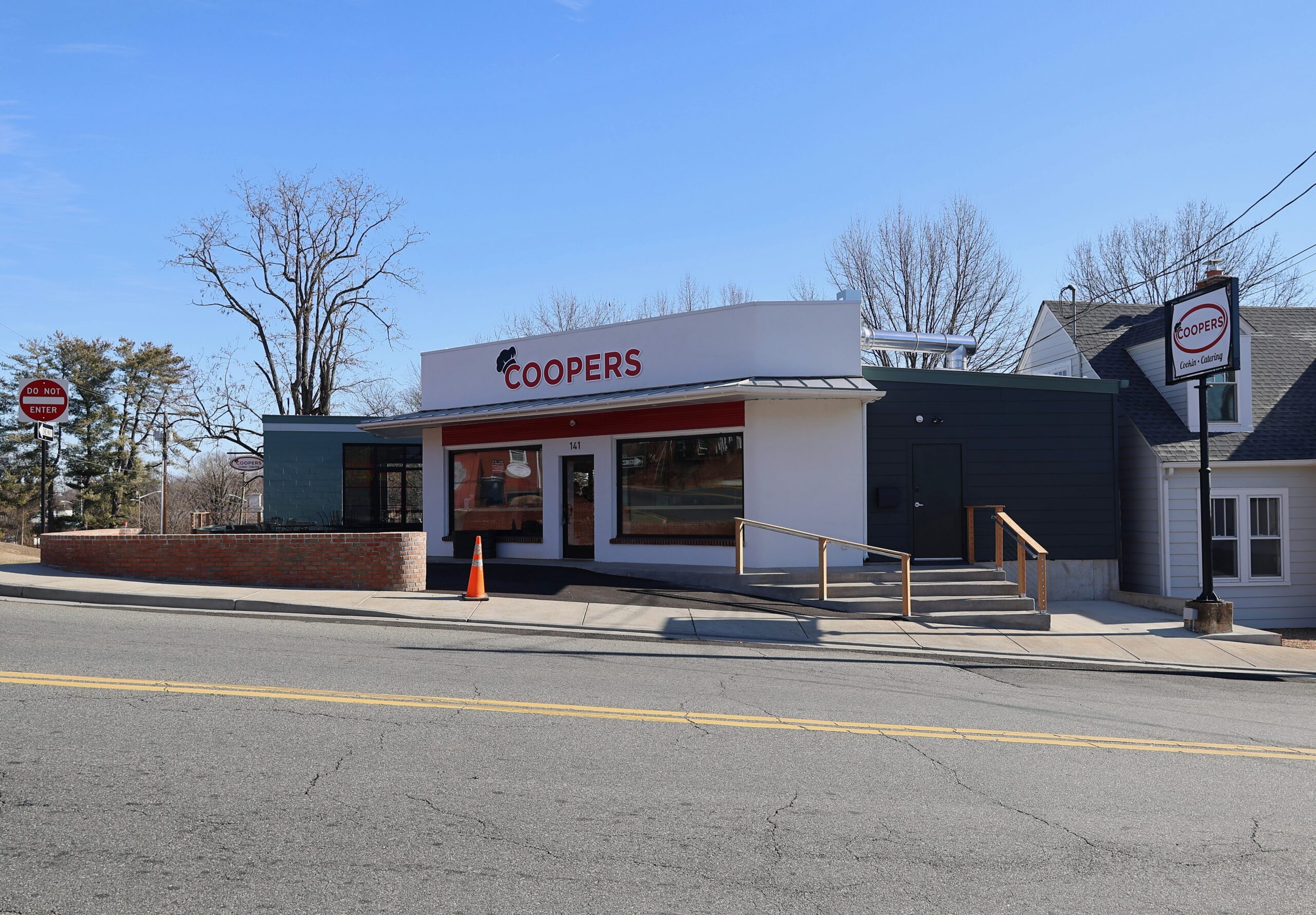
Coopers Cookin’ & Catering Connects Orange to a Reconstruction Era Food Tradition
Newly relocated at 141 Caroline Street in Orange, Coopers Cookin’ & Catering serves Southern staples rooted in a family history…
Article By Judi Cooper
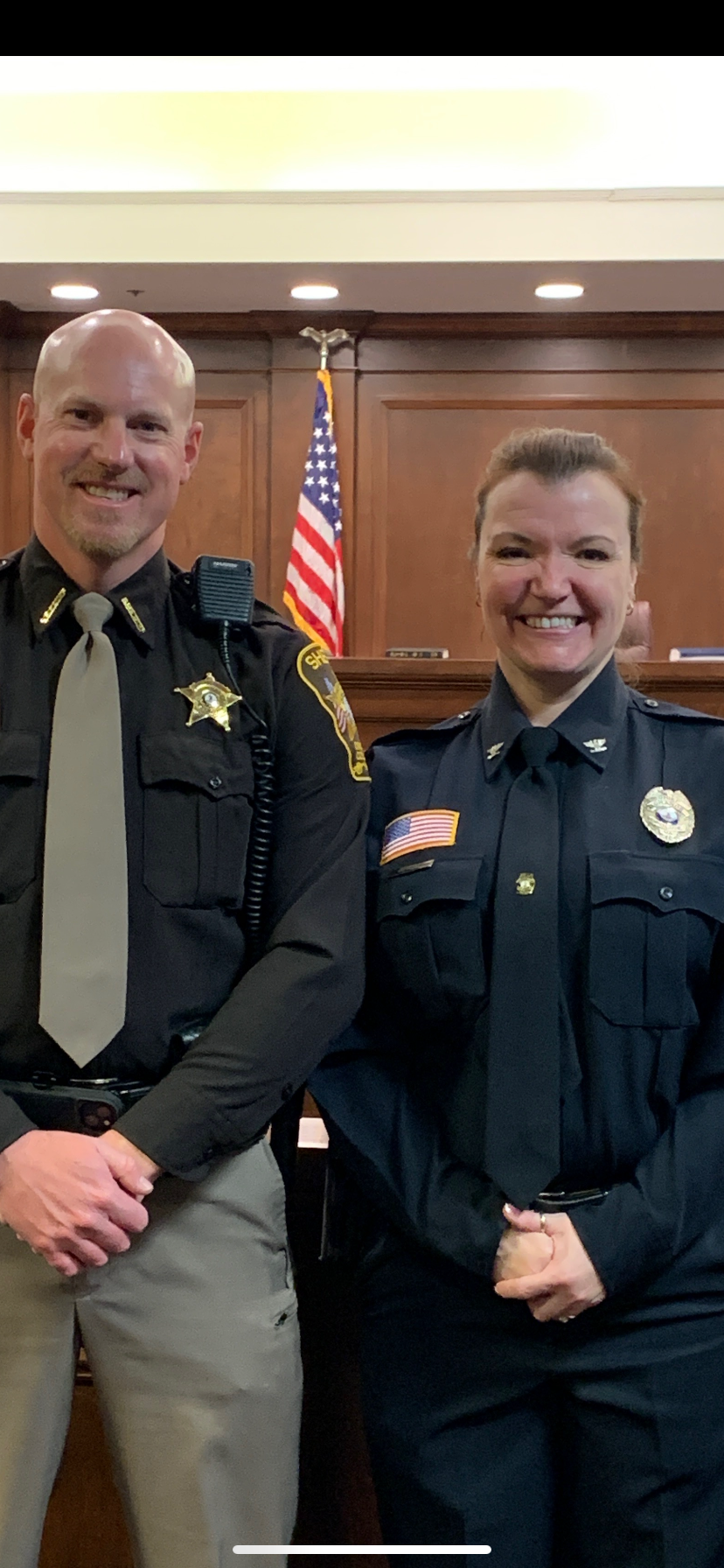
New Police Chief, New Town Manager Mark a Shift in Orange Leadership
The Town of Orange opened 2026 with a series of major leadership changes, headlined by the appointment of Rebecca Davis…
Article By Judi Cooper

The OCHS Alumni and Friends Foundation Part Two: Interview with Founder Bill Hager
It is often said that graduation is not the end, but the beginning of a lifelong relationship with one’s alma…