
Over the last 20 years, 30 year mortgage rates have been on a roller coaster. They dropped to record lows in the early 2010s after the financial crisis and again during COVID, then shot up quickly in the early 2020s. As we head into 2026, rates have come down slightly but remain much higher than the record lows of the pandemic years and are closer to levels seen in the mid 2000s.
Rates were around 6 to 6.5% in the mid 2000s. After the 2008 financial crisis, the Federal Reserve cut rates aggressively to support the economy, and mortgage rates dropped below 4% by 2012.
By 2020 and 2021, during COVID, rates hit historic lows. In 2021, the average 30 year mortgage rate fell to about 2.96%, the lowest ever recorded.
Then came the sharp jump in 2022 and 2023, when inflation surged and the Federal Reserve raised rates quickly. Mortgage rates climbed into the 6 to 7% range, shocking buyers and significantly slowing the housing market.
From 2024 through early 2026, rates remained elevated but began stabilizing. Rates stayed high through 2024 and 2025, averaging around 6.7 to 6.8%. Early 2026 has shown a small dip closer to the 6.2% range, influenced by shifts in the bond market.
Mortgage rates move based on several key factors:
- Federal Reserve policy. When the Fed raises or lowers short term rates, mortgage rates respond, though not always immediately or in the same direction.
- Treasury bonds. Mortgage rates tend to follow the 10 year Treasury yield.
- Inflation expectations. Higher inflation typically leads to higher mortgage rates because lenders seek protection against rising costs.
That is how we moved from ultra low rates in 2021 to significantly higher rates just a year later. Mortgage interest rates directly impact home sales. Affordability is a major factor, since higher rates mean larger monthly payments.
For example, on a $300,000 loan:
At 3% the payment is about $1,265 per month
At 7% the payment is about $1,996 per month.
That represents roughly a 57% increase in payment, which is a significant hit to most household budgets.
Another factor is inventory, often called the lock in effect. From 2022 through 2024, many homeowners were reluctant to sell because they had secured very low mortgage rates. This kept inventory tight. As rates stabilized in 2025, more sellers began listing their homes.
A third factor is home prices. With higher rates, buyers slowed down. There were fewer bidding wars, more negotiating room, and a more balanced market overall.
In Orange County, more homes sold in 2025 than in 2024, suggesting buyers are gradually returning. There are currently more listings than during the tight pandemic years, giving buyers more options, though supply remains limited compared to larger metropolitan areas. Prices are no longer rising rapidly, and appreciation has cooled compared to the pandemic boom. Homes are taking longer to sell than they did in 2021 and 2022, indicating buyers are no longer rushing.
In short, low rates in 2021 and 2022 fueled strong sales. Rates spiked in 2023, and sales dropped sharply. From 2024 forward, rates have remained higher but eased slightly, and sales have slowly recovered, though not to 2021 levels.
What is the forecast for 2026? Modest growth in sales is expected as buyers continue adjusting to higher rates. Rates are likely to remain in the low 6% range. Sellers will need to price homes realistically as the market shifts toward balance, where neither buyers nor sellers hold a strong advantage. Home appreciation is projected to be around 2%.

Pat Licata of The Licata Group/eXp Realty has been a Realtor since 2010. She and her husband, John, also a Realtor, lead a team of professional agents who service the region.
Subscribe for Updates
Sponsors


Latest Articles
March 2, 2026
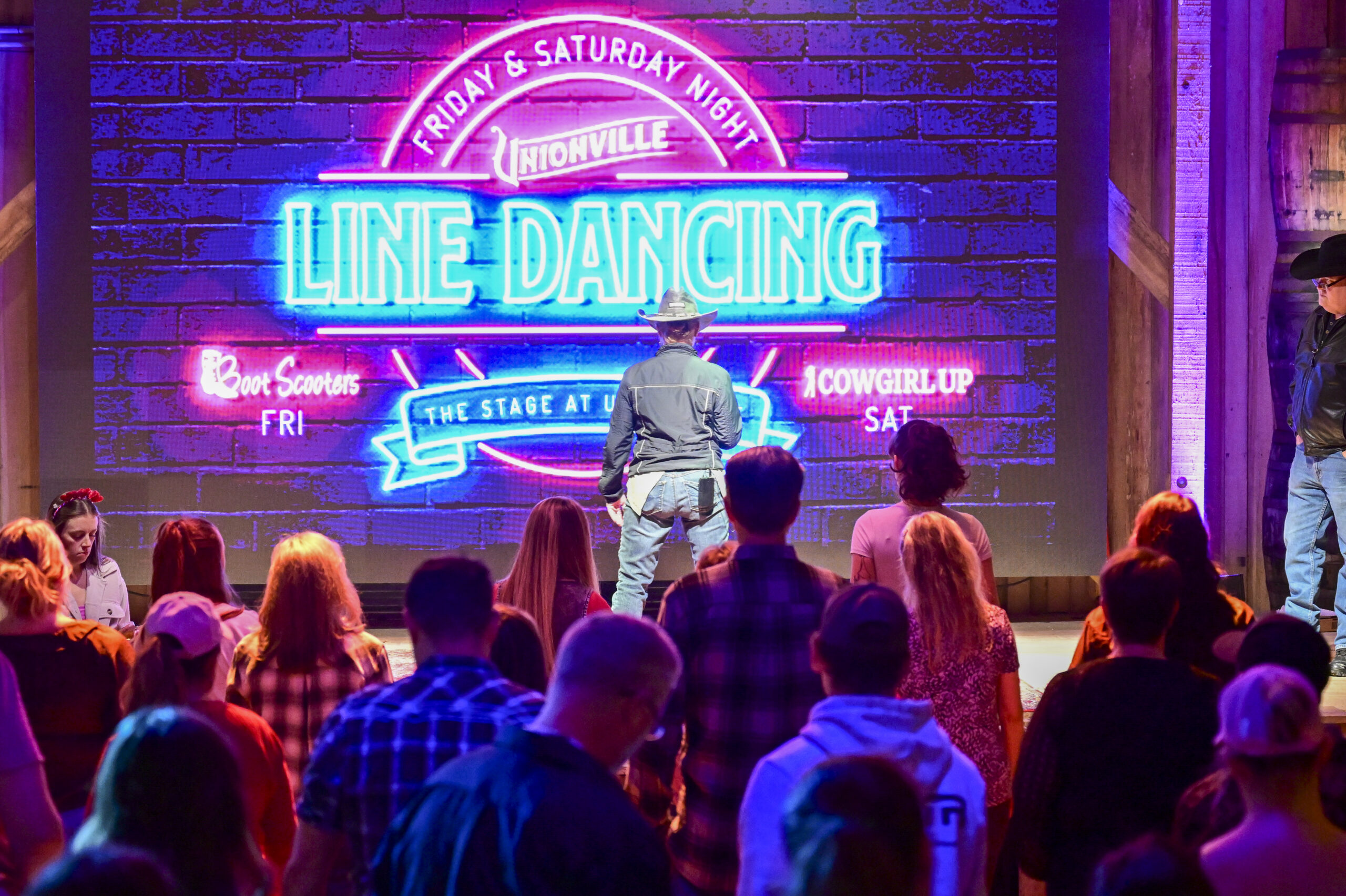
Cowgirls (and Boys) Become Weekend Phenomenon at Unionville Brewery
March 2, 2026
County Program Launches Outdoor Adventure Series
March 2, 2026
Clearwater Fire Grill Remains a Steady Presence in Locust Grove

March 2, 2026
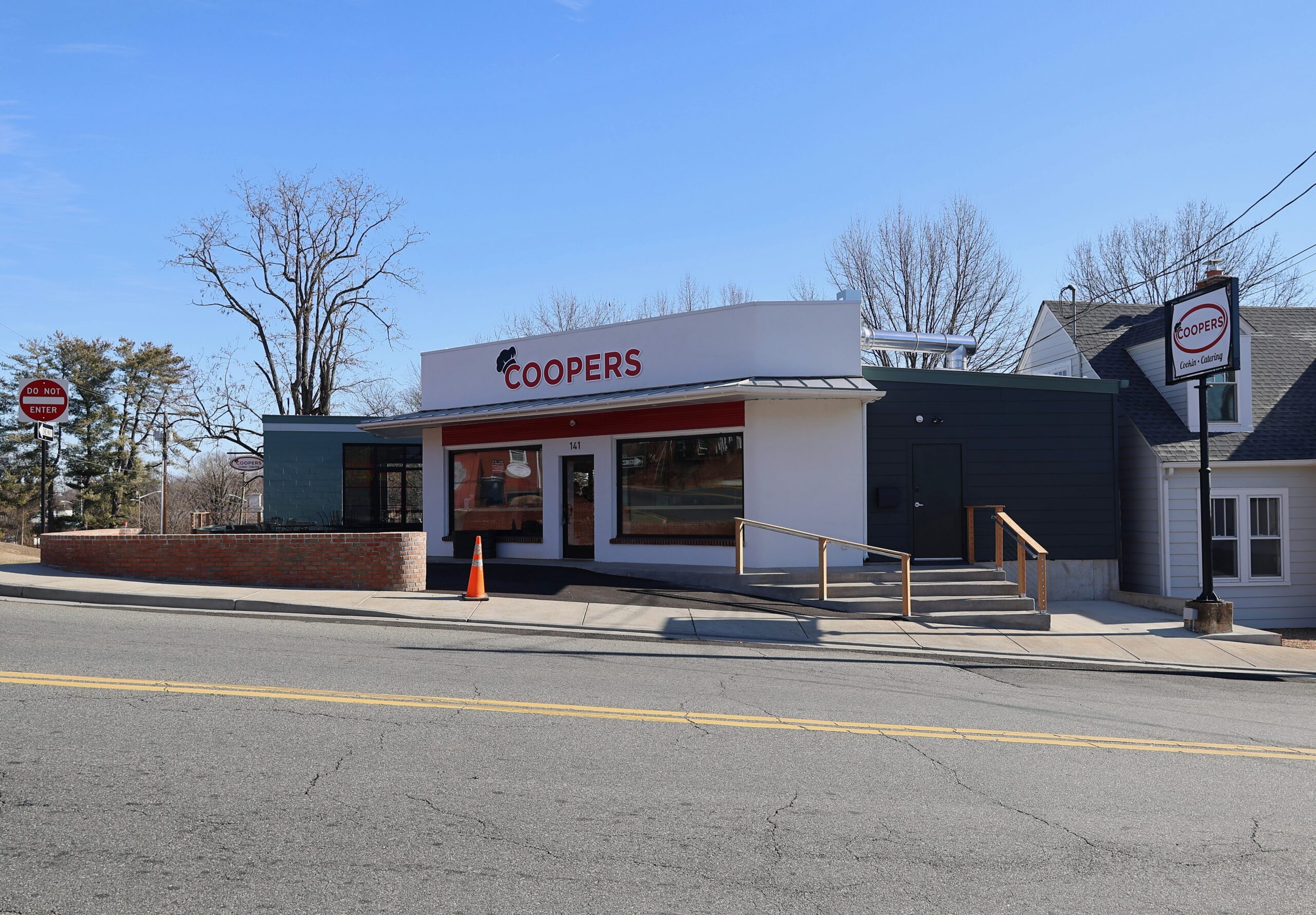
Coopers Cookin’ & Catering Connects Orange to a Reconstruction Era Food Tradition
March 2, 2026
New Police Chief, New Town Manager Mark a Shift in Orange Leadership

March 2, 2026
From 3 to 7%: How Mortgage Rates Reshaped the Housing Market and What it Means for 2026
Over the last 20 years, 30 year mortgage rates have been on a roller coaster. They dropped to record lows in the early 2010s after the financial crisis and again during COVID, then shot up quickly in the early 2020s. As we head into 2026, rates have come down slightly but remain much higher than the record lows of the pandemic years and are closer to levels seen in the mid 2000s.
Rates were around 6 to 6.5% in the mid 2000s. After the 2008 financial crisis, the Federal Reserve cut rates aggressively to support the economy, and mortgage rates dropped below 4% by 2012.
By 2020 and 2021, during COVID, rates hit historic lows. In 2021, the average 30 year mortgage rate fell to about 2.96%, the lowest ever recorded.
Then came the sharp jump in 2022 and 2023, when inflation surged and the Federal Reserve raised rates quickly. Mortgage rates climbed into the 6 to 7% range, shocking buyers and significantly slowing the housing market.
From 2024 through early 2026, rates remained elevated but began stabilizing. Rates stayed high through 2024 and 2025, averaging around 6.7 to 6.8%. Early 2026 has shown a small dip closer to the 6.2% range, influenced by shifts in the bond market.
Mortgage rates move based on several key factors:
- Federal Reserve policy. When the Fed raises or lowers short term rates, mortgage rates respond, though not always immediately or in the same direction.
- Treasury bonds. Mortgage rates tend to follow the 10 year Treasury yield.
- Inflation expectations. Higher inflation typically leads to higher mortgage rates because lenders seek protection against rising costs.
That is how we moved from ultra low rates in 2021 to significantly higher rates just a year later. Mortgage interest rates directly impact home sales. Affordability is a major factor, since higher rates mean larger monthly payments.
For example, on a $300,000 loan:
At 3% the payment is about $1,265 per month
At 7% the payment is about $1,996 per month.
That represents roughly a 57% increase in payment, which is a significant hit to most household budgets.
Another factor is inventory, often called the lock in effect. From 2022 through 2024, many homeowners were reluctant to sell because they had secured very low mortgage rates. This kept inventory tight. As rates stabilized in 2025, more sellers began listing their homes.
A third factor is home prices. With higher rates, buyers slowed down. There were fewer bidding wars, more negotiating room, and a more balanced market overall.
In Orange County, more homes sold in 2025 than in 2024, suggesting buyers are gradually returning. There are currently more listings than during the tight pandemic years, giving buyers more options, though supply remains limited compared to larger metropolitan areas. Prices are no longer rising rapidly, and appreciation has cooled compared to the pandemic boom. Homes are taking longer to sell than they did in 2021 and 2022, indicating buyers are no longer rushing.
In short, low rates in 2021 and 2022 fueled strong sales. Rates spiked in 2023, and sales dropped sharply. From 2024 forward, rates have remained higher but eased slightly, and sales have slowly recovered, though not to 2021 levels.
What is the forecast for 2026? Modest growth in sales is expected as buyers continue adjusting to higher rates. Rates are likely to remain in the low 6% range. Sellers will need to price homes realistically as the market shifts toward balance, where neither buyers nor sellers hold a strong advantage. Home appreciation is projected to be around 2%.
Pat Licata of The Licata Group/eXp Realty has been a Realtor since 2010. She and her husband, John, also a Realtor, lead a team of professional agents who service the region.
Subscribe for Updates
Sponsors
latest articles
March 2, 2026
Cowgirls (and Boys) Become Weekend Phenomenon at Unionville Brewery
March 2, 2026
County Program Launches Outdoor Adventure Series
March 2, 2026
Clearwater Fire Grill Remains a Steady Presence in Locust Grove
March 2, 2026
Coopers Cookin’ & Catering Connects Orange to a Reconstruction Era Food Tradition
March 2, 2026
New Police Chief, New Town Manager Mark a Shift in Orange Leadership
March 2, 2026
From 3 to 7%: How Mortgage Rates Reshaped the Housing Market and What it Means for 2026
Coopers Cookin’ & Catering Connects Orange to a Reconstruction Era Food Tradition
Newly relocated at 141 Caroline Street in Orange, Coopers Cookin’ & Catering serves Southern staples rooted in a family history…
Article By Judi Cooper
New Police Chief, New Town Manager Mark a Shift in Orange Leadership
The Town of Orange opened 2026 with a series of major leadership changes, headlined by the appointment of Rebecca Davis…
Article By Judi Cooper

The OCHS Alumni and Friends Foundation Part Two: Interview with Founder Bill Hager
It is often said that graduation is not the end, but the beginning of a lifelong relationship with one’s alma…