
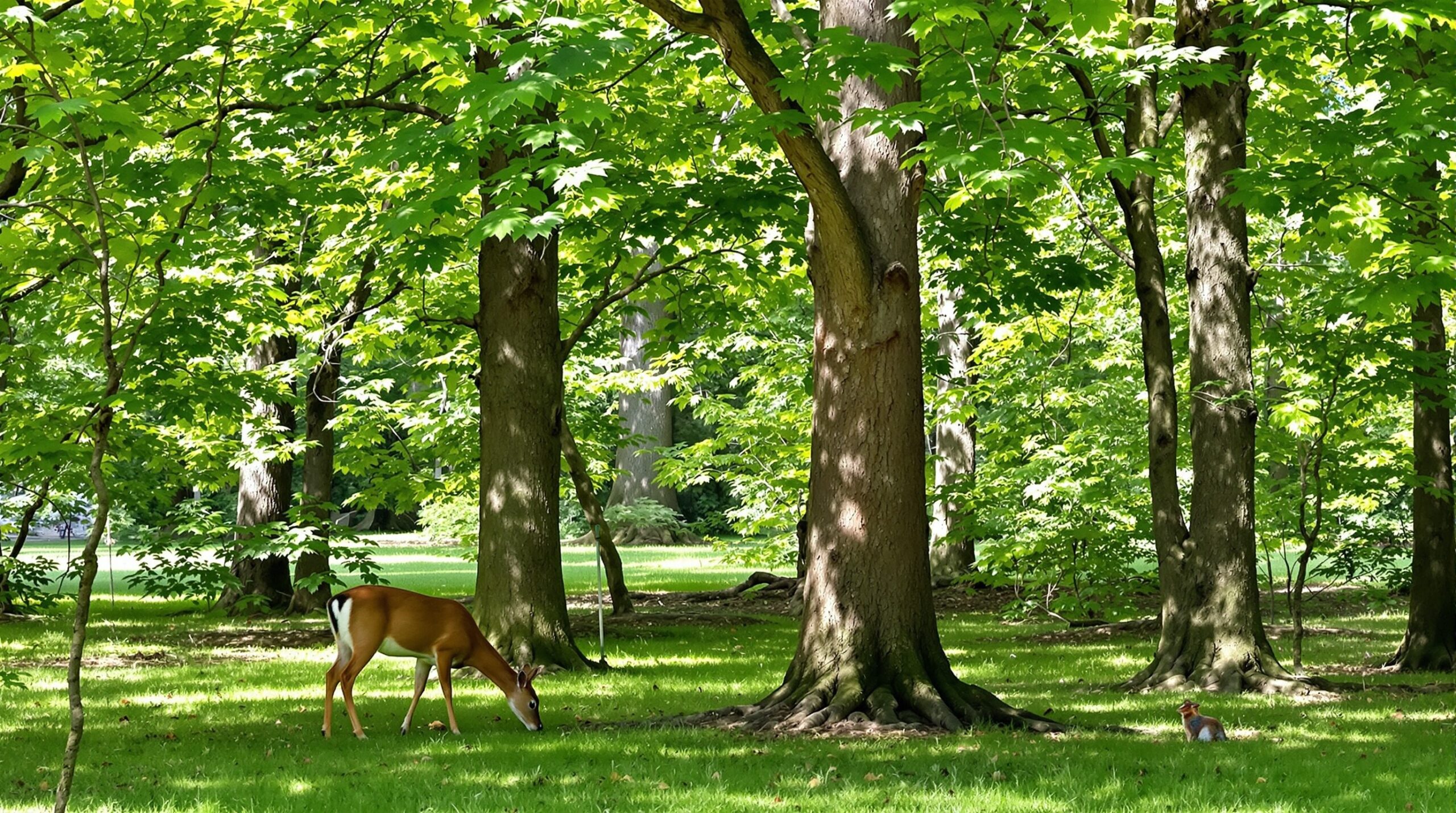
Discover the Wild Side of Orange, VA
Have you ever wondered what it would be like to walk through a magical forest or spot a playful otter splashing in a river? Nestled right in the heart of Virginia, Orange County feels like a hidden treasure chest filled with amazing wildlife. From towering trees that stretch towards the sky to crystal-clear streams that twist through the landscape, this enchanting place is a true sanctuary of nature.
A Home for Many
As we set off on this adventure, we’ll explore the rich diversity of wildlife that calls Orange home. You’ll meet the vibrant birds soaring above, curious deer grazing quietly in the woods, and the busy little critters that scurry beneath the bushes. Each species has its own unique role in this beautiful ecosystem, making Orange not only a stunning place to visit but also a critical habitat for these remarkable animals.
So, grab your binoculars and lace up your hiking boots! Join us on an exciting journey to discover the common species and their special homes that make Orange County one of Virginia’s most treasured destinations for nature lovers. Who knows? You might even become a wildlife enthusiast along the way!
The Woodland Dwellers
The lush forests of Orange County are not just a visual feast but a thriving habitat teeming with life. As you traverse the winding trails surrounded by towering oaks and sturdy hickories, you can expect to encounter a slew of woodland dwellers that have made this verdant sanctuary their home. Among the most iconic are the charming white-tailed deer. Often spotted grazing in the early morning light, these gentle giants blend seamlessly into the dappled forest floor, their cautious movements a testament to their wariness of the outside world.
Meanwhile, the elusive fox squirrels add a delightful touch of whimsy to the landscape. With their striking gray and rusty-red fur, these agile creatures are frequently seen darting up trees or playfully bounding across the forest floor. Their inquisitive nature often leads them to investigate the ground beneath oak trees, where acorns and nuts provide a bountiful feast. If you’re patient and quiet, you might catch a glimpse of one, pausing to nibble on a snack before scuttling back to the safety of the branches above.
The symphony of sounds in these woodlands is equally enchanting. As twilight descends, the ethereal calls of the Eastern whip-poor-will weave through the air, creating a mystical ambiance that beckons nature lovers to linger a little longer. These nightjars are known for their distinctive, repetitive songs, which resonate like an echo of the forest’s spirit, reminding us that there’s magic hidden in plain sight.
To truly appreciate the variety of woodland inhabitants, let’s delve into a table that highlights some of the primary species you might encounter during your exploration:
| Species | Identification | Habitat | Behavior |
|---|---|---|---|
| White-tailed Deer | Rust-colored coat, white tail that flicks when they run. | Deciduous forests and grasslands. | Grazing in the early morning and late evening; typically solitary or in small groups. |
| Fox Squirrel | Large with a bushy tail, often gray or rust-colored. | Oak and hickory forests. | Foraging for nuts; agile climbers. |
| Eastern Whip-poor-will | Medium-sized bird with mottled brown and gray feathers. | Woodland edges and open woods. | Active at dusk; sings its name repetitively. |
| Eastern Chipmunk | Small, striped rodent with cheek pouches. | Forest floor and understory. | Active during the day; collects and stores food. |
The vibrant life encapsulated within the woodlands of Orange County creates an immersive experience, immersing visitors in the sights and sounds of nature. Whether you’re an avid birdwatcher, a budding naturalist, or simply seeking a peaceful stroll, the woodland realm promises adventure and discovery at every turn. With the sun shining through the leaves and the whispers of wildlife all around, you might find yourself captivated by the enchanting stories the woodland dwellers have to tell.
Wetland Wonders
As you venture from the dense woodlands of Orange County, the landscape begins to transition into expansive wetlands—an equally captivating environment that hums with activity beneath its tranquil surface. These wetlands are not just beautiful to behold; they are vital ecosystems that serve as crucial habitats for an array of species, each uniquely adapted to thrive in this watery realm.
The early morning mist clings to the cattails, creating an ethereal ambiance that invites exploration. It is in these precious moments, just as dawn breaks, that a vibrant chorus of frogs ushers in the day, their croaks reverberating through the still air. These amphibious musicians play a critical role in the wetland ecosystem, their calls signaling the health of the habitat and its intricate web of life. Look closely, and you may spot the small but mighty green frog or the melodic bullfrog, each contributing to the symphony of sounds that form the backdrop to this serene landscape.
Just above the water, the ballet of dragonflies flits gracefully to life. Their iridescent wings catch the light as they hover, dart, and dance, patrolling the wetlands for both mates and prey. These aerial acrobats are not only splendid to observe but are key players in controlling mosquito populations, making them indispensable to both human recreation and natural balance.
Among the wetlands’ lush foliage are vibrant painted turtles, basking lazily on sun-warmed logs, their colorful shells glistening against the water’s surface. These reptiles are more than just a picturesque sight; they play an essential role in their ecosystem by helping to maintain a healthy balance of aquatic plants and insects. Nearby, the graceful silhouette of the great blue heron stands sentinel, its long neck poised as it stalks through the shallows, ready to strike at a moment’s notice. This majestic bird exemplifies the artistry of the wetlands—its patience and precision are truly a testament to the hunting prowess that has allowed it to thrive in such conditions.
As you traverse the paths that wind through these wetlands, the sensory experiences will ignite your curiosity. The aroma of damp earth combines with the faint scent of wildflowers, while the sight of vibrant blossoms like blue flag iris and cardinal flower adds bursts of color that enrich the already stunning vista. This harmonious interplay of flora and fauna creates a sanctuary for hundreds of species, from migrating birds to insects and beyond.
To truly appreciate the depth of life in Orange County’s wetlands, consider exploring the following table that highlights some of the remarkable species commonly found within these flourishing habitats:
| Species | Identification | Habitat | Behavior |
|---|---|---|---|
| Green Frog | Medium-sized frog with a bright green color, identifiable by the distinct ridge running down its back. | Freshwater ponds, marshes, and edges of wetlands. | Vocal at night; enjoys sunny spots during the day. |
| Dragonfly | Large, colorful insects with long bodies and unique, often iridescent wings. | Near water sources; marshes and ponds. | Agile fliers; efficient hunters of mosquitoes and other insects. |
| Painted Turtle | Distinctive with its red and yellow markings and a smooth, domed shell. | Ponds, lakes, and slow-moving rivers. | Basks in the sun and forages for aquatic plants and insects. |
| Great Blue Heron | Large wading bird with long legs, a blue-gray plumage, and a striking wingspan. | Shallow marshes, ponds, and shorelines. | Stalks prey quietly; often hunts alone or in pairs. |
The vibrant tapestry woven by the wetlands of Orange County beckons nature enthusiasts to explore its hidden wonders. As you wander through this rich landscape, the interconnectedness of each species and their contributions to the ecosystem become ever more apparent. Whether you are a dedicated birdwatcher, an avid photographer, or simply an admirer of nature’s beauty, the wetlands present an enchanting realm filled with stories waiting to be discovered.
Field and Meadow Marvels
Leaving the tranquil wetlands behind, a scenic expanse of open fields and meadows unfolds before you—a striking contrast that bursts with vibrancy under the sunlight. Here, wildflowers sway in the gentle breeze, painting the landscape with a kaleidoscope of colors, while the fragrance of blooming flora fills the air. Among these enchanting vistas, pollinators emerge in a lively dance, each playing a crucial role in sustaining the ecosystem.
The presence of the iconic monarch butterfly flitting gracefully between blossoms is a remarkable sight. These delicate creatures, distinguished by their orange and black wings, undertake an incredible migration journey to warmer climates, relying heavily on the wildflowers of these meadows for nourishment. You can witness the energy of nature as they feed on the nectar of flowers like black-eyed Susans, which flourish in abundance, serving as vital sources of sustenance. This symbiotic relationship highlights how diverse wildflower species contribute to the survival of butterflies, ensuring their populations can thrive and continue their legendary migrations.
As you delve deeper into the meadows, a flurry of activity reveals itself. Honeybees busily buzz from one flower to the next, diligently collecting pollen that sustains their colonies and, by extension, supports the crops and plants vital to our food systems. This industrious energy engenders a sense of harmony, illustrating the interconnectedness of life in more than just the human sphere. Observing these pollinators at work can inspire awe, as it becomes clear how essential they are not only to the meadows but to the overall health of our environment.
Above this vibrant scene, the air is filled with the cheerful chirping of goldfinches and the swift aerial acrobatics of swallows. These feathered friends flit about with purpose, foraging for seeds and insects amidst the rich tapestry of the field. Goldfinches, with their striking yellow plumage, are often seen perched atop flower stalks or twirling in the air, a joyous display of their lively spirits. Conversely, swallows dash and dive, their sleek bodies maneuvering effortlessly through the air as they catch insects mid-flight. This kinetic energy further emphasizes the dynamic beauty of meadows, where life is in constant motion.
Adding to the scene are the diverse wildflower populations, which not only enchant the eye but also underpin the health of the surrounding ecosystem. The black-eyed Susan, with its golden petals and dark center, stands out while attracting bees and butterflies alike, showcasing nature’s palette at its finest. Other species—such as coneflowers and milkweed—provide habitats and nurseries for countless insects, offering intricate shelter and nurseries essential for nurturing next generations. During a stroll through these meadows, you can witness firsthand how interconnected each element is within this thriving community.
Exploring the meadows of Orange County, one might discover an even broader tableau of life flourishing within this vital habitat. Consider the following table, capturing noteworthy wildflower varieties amidst the exuberant scene:
| Wildflower | Identification | Pollinator Attraction | Blooming Season |
|---|---|---|---|
| Black-Eyed Susan | Bright yellow petals with a prominent dark brown center. | Pollinators like bees and butterflies are drawn to its nectar. | Summer to early fall. |
| Milkweed | Pink and purple clusters of blossoms with a distinctive fragrance. | Essential for monarch butterflies, which lay eggs on its leaves. | Late spring to mid-summer. |
| Purple Coneflower | Notable for its vibrant purple petals and spiky cone center. | Attracts a variety of bees and butterflies, especially during peak bloom. | Summer. |
| Butterfly Weed | Bright orange clusters that resemble the colors of butterflies. | A favorite for many pollinating insects, including hummingbirds. | Summer. |
The fields and meadows of Orange County serve as a breathtaking mosaic bursting with life, where each organism plays its role in maintaining ecological balance. As you observe the seamless interactions among flora and fauna, it becomes evident that this remarkable environment is not merely a backdrop but an essential element of nature’s grand design. The colorful palette and sounds of this vibrant landscape beckon you to lose yourself in its beauty, igniting an adventure full of discovery and appreciation for the natural world.
The Elusive Nightlife
As dusk descends on Orange County, a fascinating transformation takes place. The sun dips below the horizon, casting a soft glow over the fields and meadows where life bustles during the day. With the coming of night, an entirely different world awakens, revealing the elusive nocturnal inhabitants that call this exquisite ecosystem home. Among them, the majestic barn owl glides silently through the night, a master of stealth and grace. With feathers specifically designed to muffle sound, these magnificent birds take flight in search of small mammals, their exceptional eyesight allowing them to navigate the inky dark in pursuit of prey. As they swoop and soar, it’s a breathtaking reminder of nature’s intricate balance, where each predator plays a crucial role in controlling rodent populations and maintaining the ecological equilibrium.
But the barn owl isn’t alone in this nocturnal ballet. As twilight deepens, bats emerge from their daytime roosts, transforming the night sky into a flurry of winged activity. Utilizing echolocation, these remarkable creatures emit high-frequency sounds that bounce off objects, illuminating their surroundings in a unique way that enables them to detect and navigate even the most intricate of landscapes, all while feasting on insects. This nocturnal feast is vital not only for the bats but also for the health of the ecosystem, as a single bat can consume thousands of insects each night, providing essential pest control for the agricultural areas they frequent.
As night deepens, the sounds of the evening crescendo, with the hoots of owls and the soft rustle of wings filling the air. The barn owl’s distinctive call resonates through the fields, while other nocturnal species, from the sly red fox to the curious raccoon, venture out in search of food and companionship. These creatures, often overlooked during daylight hours, contribute to a rich tapestry of biodiversity that merits appreciation and protection.
Moreover, it’s essential to highlight the balance that these nocturnal predators maintain. For instance, the decline of bat populations in various regions stands as a warning sign of ecological imbalance that can lead to increased pest issues for local farmers. Their role in ecosystems extends far beyond mere insect control, influencing plant health and diversity through their diet and foraging habits. Without effective conservation efforts, the delicate equilibrium that sustains these countryside wonders could face disruption.
The night is alive, filled with whispers of the natural world that few take the time to marvel at. Here, under a blanket of stars, the nocturnal realm unfolds, inviting the curious to pause and listen to its secrets. As the owls take flight and the bats dance through the air, we’re reminded of the intricate connections woven throughout nature, where even the most elusive creatures contribute significantly to the vibrancy of ecosystems.
As we delve deeper into these enthralling avenues of nocturnal adventure, it becomes essential to consider what we can do to preserve the enchanting wildlife that colors our night skies. The following table offers insights into some of the key nocturnal species found in Orange County, shedding light on their unique adaptations and roles within the ecosystem:
| Species | Habitat | Diet | Key Role in Ecosystem |
|---|---|---|---|
| Barn Owl | Open fields and meadows, often nesting in old trees or barns. | Small mammals, especially rodents. | Controls rodent populations, maintaining ecological balance. |
| Little Brown Bat | Wooded areas, caves, and urban settings. | Insects, including moths and mosquitoes. | Effective pest control, contributing to flora health. |
| Eastern Screech Owl | Deciduous forests and suburban settings. | Small mammals, birds, and insects. | Predatory balance, supports various ecological interactions. |
| Raccoon | Near water sources and in forests, adaptable to urban areas. | Omnivorous, eating fruits, insects, and small vertebrates. | Role in seed dispersal and scavenging helps nutrient cycling. |
This nocturnal awakening in Orange County reminds us of the delicate balance of life that thrives beneath the cover of darkness. As we turn our attention to the conservation efforts needed to protect these vital ecosystems, it becomes clear that every step we take—whether through education, advocacy, or responsible stewardship—can help ensure that the wonders of the night continue to inspire and amaze generations to come.
As the delicate threads of the night weave through the vibrant tapestry of Orange, VA, it becomes increasingly evident that conservation efforts stand as the guardians of this intricate ecological sanctuary. Various local initiatives have sprung forth, fueled by passionate community members who recognize the importance of preserving these rich natural habitats. With a commitment to protecting biodiversity, these initiatives serve not just as a safety net for local wildlife, but as a bridge to educate the public on the critical interplay between humans and nature.
At the heart of these conservation efforts is the understanding that every creature—nocturnal or diurnal—plays a fundamental role in maintaining ecological balance. Programs dedicated to habitat restoration, such as the planting of native flora and combating invasive species, cultivate an environment where both essential food sources and proper shelter flourish. This rich tapestry does not merely exist in isolation; instead, it is a web of life, connecting each organism to one another in a dynamic relationship that underpins the health of the entire ecosystem.
Community involvement is the lifeblood of these initiatives. Through regular engagement programs, residents are encouraged to participate in wildlife surveys, clean-up efforts, and educational workshops. Events such as the annual “Nature Day” invite families to explore the wonders of Orange County’s diverse habitats while learning about the species they can find in their own backyards. Educational outreach not only empowers individuals to become stewards of the environment but also fosters a deeper appreciation for the intricate balance that sustains these ecosystems.
Moreover, local schools have started incorporating conservation topics into their curricula, emphasizing the significance of biodiversity and the impact of human actions on the natural world. By inspiring future generations to care for their surroundings, communities are cultivating a long-lasting legacy of responsible stewardship—a crucial element in the fight against environmental degradation.
Equally important are the collaborations with organizations dedicated to wildlife conservation. Partnerships between local governments and non-profits often lead to significant endeavors, such as creating protected areas and implementing wildlife corridors that enable safe passage for animals across urban landscapes. These corridors not only facilitate the movement of species, including the migratory paths of bats and owls, but they also help mitigate the impacts of habitat fragmentation, ensuring that wildlife can thrive even in changing environments.
As we contribute to these conservation efforts, each of us has the potential to make a positive impact. Simple actions—like practicing responsible waste disposal, supporting local environmental groups, or even opting for sustainable farming practices—can all serve to strengthen the delicate balance of Orange County’s ecosystems. By nurturing harmony between nature and human life, we not only protect our local wildlife but also ensure that the vibrant beauty of these landscapes endures for generations to come.
In conclusion, as the exhilarating nocturnal drama unfolds in the skies and fields of Orange County, it calls us not just to observe but to engage. The vibrant call of nature, led by its nighttime inhabitants, echoes a lesson: every species, every habitat plays a part in this grand symphony of life. And it is through dedicated conservation efforts, community enthusiasm, and a collective commitment to responsible stewardship that we can safeguard this remarkable ecological haven for future generations. Whether strolling through enchanting woodlands or navigating the complexity of wetlands, there lies an invitation for us all to embrace and celebrate the natural beauty and biodiversity that Orange, VA has to offer.
As we turn our focus to the rich woodlands of Orange, VA, it becomes clear that this lush environment serves as a sanctuary for a fascinating array of species. Among the most iconic inhabitants is the white-tailed deer, a symbol of grace and resilience that graces our forests with its elegant presence. Their gentle movements through the underbrush not only enhance the aesthetic appeal of the landscape but also play a crucial role in shaping the plant communities they traverse. As browsers, these deer influence the growth patterns of shrubs and saplings, creating a dynamic ecosystem where flora and fauna interact in harmonious balance.
Alongside the deer, the playful antics of the fox squirrel delight both residents and visitors alike. Known for their acrobatics among the treetops, these energetic creatures bring life to the woodlands, foraging for acorns and seeds that fuel both their own survival and that of other wildlife. Their presence underscores the significance of maintaining healthy forests where diverse tree species coexist, offering ample nourishment and shelter for a myriad of other organisms—from birds to insects, all of whom depend on this intricate web of life.
As dusk falls and the sun sinks behind the horizon, a different melody emerges from the shadows: the haunting call of the Eastern whip-poor-will. This nocturnal bird captivates with its plaintive song, resonating through the woods as it searches for insects to feast upon. The role of whip-poor-wills is not just grandiose in sound; they serve as critical indicators of environmental health. When abundant, they signify a balanced ecosystem, thriving with ample insect populations. Hence, the presence of these birds is not only a testament to Orange’s rich biodiversity but also a sonic reminder of our responsibility to protect their habitat.
Transitioning from the woodlands to the nearby wetlands, we uncover another layer of ecological significance. These vital ecosystems thrive in Orange, VA, acting as natural filters that purify water while providing critical habitats for numerous species. The vibrant painted turtles bask on sun-kissed logs, reminding us of the symbiotic relationships that define wetland ecosystems. Their story intertwines with that of dragonflies, whose iridescent wings reflect the shimmering waters they patrol, consuming mosquitoes and other pests, helping to maintain the balance within this delicate environment.
Herons wade gracefully through the shallows, their keen eyesight and swift movements providing a glimpse into the predator-prey dynamics that play out amidst the reeds and marshes. As these birds spear fish and small amphibians, they contribute to a healthy population control among aquatic creatures, showcasing the interplay that defines life in wetland ecosystems. By protecting these areas, we not only safeguard these magnificent birds but also the intricate food webs that support a vast array of wildlife.
Recognizing the importance of both woodlands and wetlands, conservation efforts in Orange County focus on habitat protection strategies that ensure the survival of these diverse species. Local organizations lead initiatives that prioritize the preservation of these critical environments, actively engaging the community in the process. By participating in natural habitat restoration projects and the removal of invasive species, residents can help foster the renewal of both woodlands and wetlands, promoting biodiversity and ecological resilience.
As we immerse ourselves in the vibrant ecosystems of Orange County, we learn to celebrate the interconnectedness of species while recognizing our role in safeguarding these habitats. Each tree, each ripple on the water’s surface tells a story, inviting us to appreciate the complexity and beauty of the natural world. Whether we are quietly observing a deer bounding through the forest or marveling at the flight of a heron across a sparkling wetland, Orange, VA, beckons us to take a moment to connect deeply with our surroundings and advocate for the continued preservation of this ecological haven. In doing so, we pave the way for future generations to inherit not only the wildlife but the wisdom of coexistence with nature, nurturing a vibrant legacy for all who come after us.
“`
As dawn breaks over the rolling hills of Orange County, the first rays of sunlight cast a golden glow on the diversity of wildlife awakening from slumber. Birds begin their morning serenade, filling the air with melodious tunes that harmonize with the rustling leaves and the gentle brook flowing nearby. This interplay of life—where each species contributes to the symphony of the ecosystem—highlights the importance of preserving the unique habitats found here. Orange, VA, isn’t just a destination; it’s an intricate tapestry woven from various ecosystems, each vital for the survival of its inhabitants.
Stepping into the woodlands, one can’t help but be captivated by the lush canopy that filters sunlight and nurtures a myriad of life forms. These forests are not mere clusters of trees; they are bustling communities, home to deer grazing under the protective cover of oaks, and foxes darting stealthily through underbrush. Each organism, from the tiniest insect to the majestic hawk soaring above, plays a pivotal role in their environment. To preserve these natural settings is to embrace the interconnectedness that sustains them—an ethos that resonates deeply with Orange County’s residents.
Shifting our focus to the wetlands, we are greeted by a vibrant ecosystem teeming with life. Here, frogs sing their cheerful chorus, while dragonflies dance above the water’s surface, creating a mesmerizing show for visitors and locals alike. These wetlands serve as crucial nurseries for fish and amphibians, filtering water and providing habitat for countless species. As we wander along the serene trails winding through these wetlands, we’re reminded of their essential role in flood control and water purification—functions that are not only vital for wildlife, but for human communities as well.
The educational endeavors within the county further enrich this ecological narrative. Workshops hosted in nature centers delve into the incredible diversity found within Orange’s ecosystems, highlighting how everyone can contribute to conservation. Whether learning to identify native plant species that provide sustenance for local wildlife or understanding how pollution in urban areas can disrupt these delicate environments, these community-led educational sessions foster a sense of unity and responsibility. As parents and children gather to absorb knowledge about their natural surroundings, they become equipped not only to protect their local environments but also to advocate for sustainable practices that reach far beyond the borders of Orange County.
Beyond education and community engagement, collaboration with conservation organizations broadens the impact of local efforts. The creation of wildlife corridors stands testament to this unity of purpose. These protected passages allow animals to navigate urban obstacles with ease, ensuring their migration and reproduction processes remain uninterrupted. It is collaborations like these that serve as beacons of hope, showcasing what can be achieved when communities collectively prioritize the health of their ecosystems.
As we walk the paths of Orange, VA, each step can echo a commitment to coexistence with the natural world. The simple act of choosing to respect wildlife through responsible hiking and observing from a distance can result in profound benefits for the natural habitats we treasure. Supporting local businesses that prioritize sustainable practices or participating in citizen science projects can amplify our impact, showcasing that even small actions lead to significant change.
The allure of Orange County lies not just in its stunning landscapes; it thrives within the undying spirit of its inhabitants who recognize the importance of a vibrant ecological paradise. As stewards of this land, we are called to actively engage with it—exploring its breathtaking terrains, understanding its ecosystems, and nurturing the balance that sustains all forms of life. In embracing the beauty of Orange, we forge a path toward fostering a future in which this ecological haven flourishes, a legacy we can proudly pass on to future generations. So let us venture together into the woods and wetlands, reveling in nature’s splendor while reaffirming our shared commitment to protect this picturesque sanctuary we are so fortunate to call home.
“`

Hi! I’m Jennifer Bailey and I partner with entrepreneurs who have massive ideas that could change the world. Most marketing is meaningless. Filled with empty promises, its only job is to bring in new traffic, new leads, and new customers. But I’ve drawn a line in the sand, and I’ve learned that marketing can do so much more than reach business goals and build profit. My methods give businesses the fire and soul they need to reach the right people, set the groundwork for sustainable relationships, and offer true value to the people on both the giving and receiving ends of marketing.
Subscribe for Updates
Sponsors



Latest Articles
March 25, 2026
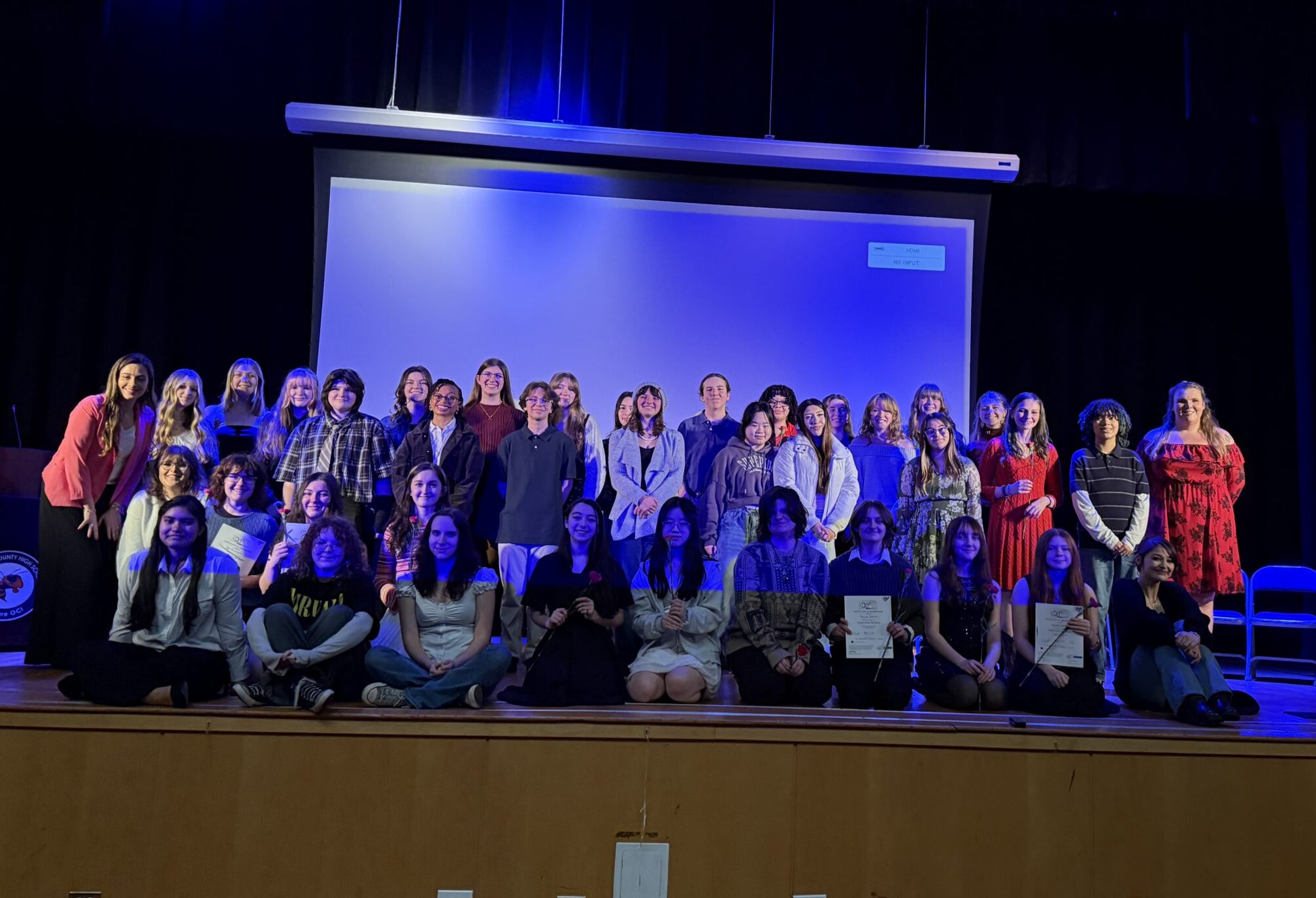
Brush with Greatness: Visual Fine Arts at OCHS
March 2, 2026
Cowgirls (and Boys) Become Weekend Phenomenon at Unionville Brewery

March 2, 2026
County Program Launches Outdoor Adventure Series
March 2, 2026
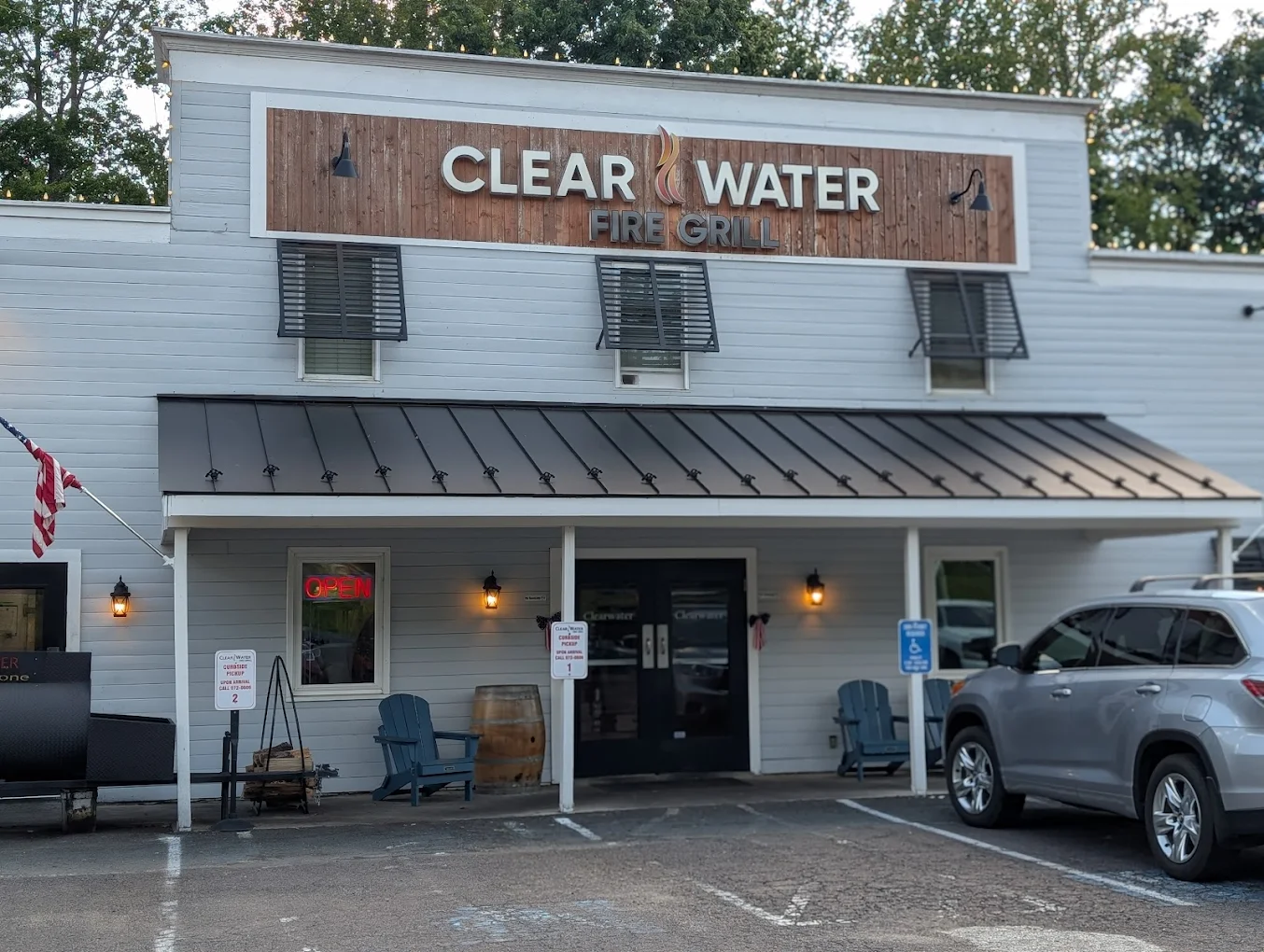
Clearwater Fire Grill Remains a Steady Presence in Locust Grove
March 2, 2026
Coopers Cookin’ & Catering Connects Orange to a Reconstruction Era Food Tradition

March 2, 2026
New Police Chief, New Town Manager Mark a Shift in Orange Leadership

Discover the Wild Side of Orange, VA
Have you ever wondered what it would be like to walk through a magical forest or spot a playful otter splashing in a river? Nestled right in the heart of Virginia, Orange County feels like a hidden treasure chest filled with amazing wildlife. From towering trees that stretch towards the sky to crystal-clear streams that twist through the landscape, this enchanting place is a true sanctuary of nature.
A Home for Many
As we set off on this adventure, we’ll explore the rich diversity of wildlife that calls Orange home. You’ll meet the vibrant birds soaring above, curious deer grazing quietly in the woods, and the busy little critters that scurry beneath the bushes. Each species has its own unique role in this beautiful ecosystem, making Orange not only a stunning place to visit but also a critical habitat for these remarkable animals.
So, grab your binoculars and lace up your hiking boots! Join us on an exciting journey to discover the common species and their special homes that make Orange County one of Virginia’s most treasured destinations for nature lovers. Who knows? You might even become a wildlife enthusiast along the way!
The Woodland Dwellers
The lush forests of Orange County are not just a visual feast but a thriving habitat teeming with life. As you traverse the winding trails surrounded by towering oaks and sturdy hickories, you can expect to encounter a slew of woodland dwellers that have made this verdant sanctuary their home. Among the most iconic are the charming white-tailed deer. Often spotted grazing in the early morning light, these gentle giants blend seamlessly into the dappled forest floor, their cautious movements a testament to their wariness of the outside world.
Meanwhile, the elusive fox squirrels add a delightful touch of whimsy to the landscape. With their striking gray and rusty-red fur, these agile creatures are frequently seen darting up trees or playfully bounding across the forest floor. Their inquisitive nature often leads them to investigate the ground beneath oak trees, where acorns and nuts provide a bountiful feast. If you’re patient and quiet, you might catch a glimpse of one, pausing to nibble on a snack before scuttling back to the safety of the branches above.
The symphony of sounds in these woodlands is equally enchanting. As twilight descends, the ethereal calls of the Eastern whip-poor-will weave through the air, creating a mystical ambiance that beckons nature lovers to linger a little longer. These nightjars are known for their distinctive, repetitive songs, which resonate like an echo of the forest’s spirit, reminding us that there’s magic hidden in plain sight.
To truly appreciate the variety of woodland inhabitants, let’s delve into a table that highlights some of the primary species you might encounter during your exploration:
| Species | Identification | Habitat | Behavior |
|---|---|---|---|
| White-tailed Deer | Rust-colored coat, white tail that flicks when they run. | Deciduous forests and grasslands. | Grazing in the early morning and late evening; typically solitary or in small groups. |
| Fox Squirrel | Large with a bushy tail, often gray or rust-colored. | Oak and hickory forests. | Foraging for nuts; agile climbers. |
| Eastern Whip-poor-will | Medium-sized bird with mottled brown and gray feathers. | Woodland edges and open woods. | Active at dusk; sings its name repetitively. |
| Eastern Chipmunk | Small, striped rodent with cheek pouches. | Forest floor and understory. | Active during the day; collects and stores food. |
The vibrant life encapsulated within the woodlands of Orange County creates an immersive experience, immersing visitors in the sights and sounds of nature. Whether you’re an avid birdwatcher, a budding naturalist, or simply seeking a peaceful stroll, the woodland realm promises adventure and discovery at every turn. With the sun shining through the leaves and the whispers of wildlife all around, you might find yourself captivated by the enchanting stories the woodland dwellers have to tell.
Wetland Wonders
As you venture from the dense woodlands of Orange County, the landscape begins to transition into expansive wetlands—an equally captivating environment that hums with activity beneath its tranquil surface. These wetlands are not just beautiful to behold; they are vital ecosystems that serve as crucial habitats for an array of species, each uniquely adapted to thrive in this watery realm.
The early morning mist clings to the cattails, creating an ethereal ambiance that invites exploration. It is in these precious moments, just as dawn breaks, that a vibrant chorus of frogs ushers in the day, their croaks reverberating through the still air. These amphibious musicians play a critical role in the wetland ecosystem, their calls signaling the health of the habitat and its intricate web of life. Look closely, and you may spot the small but mighty green frog or the melodic bullfrog, each contributing to the symphony of sounds that form the backdrop to this serene landscape.
Just above the water, the ballet of dragonflies flits gracefully to life. Their iridescent wings catch the light as they hover, dart, and dance, patrolling the wetlands for both mates and prey. These aerial acrobats are not only splendid to observe but are key players in controlling mosquito populations, making them indispensable to both human recreation and natural balance.
Among the wetlands’ lush foliage are vibrant painted turtles, basking lazily on sun-warmed logs, their colorful shells glistening against the water’s surface. These reptiles are more than just a picturesque sight; they play an essential role in their ecosystem by helping to maintain a healthy balance of aquatic plants and insects. Nearby, the graceful silhouette of the great blue heron stands sentinel, its long neck poised as it stalks through the shallows, ready to strike at a moment’s notice. This majestic bird exemplifies the artistry of the wetlands—its patience and precision are truly a testament to the hunting prowess that has allowed it to thrive in such conditions.
As you traverse the paths that wind through these wetlands, the sensory experiences will ignite your curiosity. The aroma of damp earth combines with the faint scent of wildflowers, while the sight of vibrant blossoms like blue flag iris and cardinal flower adds bursts of color that enrich the already stunning vista. This harmonious interplay of flora and fauna creates a sanctuary for hundreds of species, from migrating birds to insects and beyond.
To truly appreciate the depth of life in Orange County’s wetlands, consider exploring the following table that highlights some of the remarkable species commonly found within these flourishing habitats:
| Species | Identification | Habitat | Behavior |
|---|---|---|---|
| Green Frog | Medium-sized frog with a bright green color, identifiable by the distinct ridge running down its back. | Freshwater ponds, marshes, and edges of wetlands. | Vocal at night; enjoys sunny spots during the day. |
| Dragonfly | Large, colorful insects with long bodies and unique, often iridescent wings. | Near water sources; marshes and ponds. | Agile fliers; efficient hunters of mosquitoes and other insects. |
| Painted Turtle | Distinctive with its red and yellow markings and a smooth, domed shell. | Ponds, lakes, and slow-moving rivers. | Basks in the sun and forages for aquatic plants and insects. |
| Great Blue Heron | Large wading bird with long legs, a blue-gray plumage, and a striking wingspan. | Shallow marshes, ponds, and shorelines. | Stalks prey quietly; often hunts alone or in pairs. |
The vibrant tapestry woven by the wetlands of Orange County beckons nature enthusiasts to explore its hidden wonders. As you wander through this rich landscape, the interconnectedness of each species and their contributions to the ecosystem become ever more apparent. Whether you are a dedicated birdwatcher, an avid photographer, or simply an admirer of nature’s beauty, the wetlands present an enchanting realm filled with stories waiting to be discovered.
Field and Meadow Marvels
Leaving the tranquil wetlands behind, a scenic expanse of open fields and meadows unfolds before you—a striking contrast that bursts with vibrancy under the sunlight. Here, wildflowers sway in the gentle breeze, painting the landscape with a kaleidoscope of colors, while the fragrance of blooming flora fills the air. Among these enchanting vistas, pollinators emerge in a lively dance, each playing a crucial role in sustaining the ecosystem.
The presence of the iconic monarch butterfly flitting gracefully between blossoms is a remarkable sight. These delicate creatures, distinguished by their orange and black wings, undertake an incredible migration journey to warmer climates, relying heavily on the wildflowers of these meadows for nourishment. You can witness the energy of nature as they feed on the nectar of flowers like black-eyed Susans, which flourish in abundance, serving as vital sources of sustenance. This symbiotic relationship highlights how diverse wildflower species contribute to the survival of butterflies, ensuring their populations can thrive and continue their legendary migrations.
As you delve deeper into the meadows, a flurry of activity reveals itself. Honeybees busily buzz from one flower to the next, diligently collecting pollen that sustains their colonies and, by extension, supports the crops and plants vital to our food systems. This industrious energy engenders a sense of harmony, illustrating the interconnectedness of life in more than just the human sphere. Observing these pollinators at work can inspire awe, as it becomes clear how essential they are not only to the meadows but to the overall health of our environment.
Above this vibrant scene, the air is filled with the cheerful chirping of goldfinches and the swift aerial acrobatics of swallows. These feathered friends flit about with purpose, foraging for seeds and insects amidst the rich tapestry of the field. Goldfinches, with their striking yellow plumage, are often seen perched atop flower stalks or twirling in the air, a joyous display of their lively spirits. Conversely, swallows dash and dive, their sleek bodies maneuvering effortlessly through the air as they catch insects mid-flight. This kinetic energy further emphasizes the dynamic beauty of meadows, where life is in constant motion.
Adding to the scene are the diverse wildflower populations, which not only enchant the eye but also underpin the health of the surrounding ecosystem. The black-eyed Susan, with its golden petals and dark center, stands out while attracting bees and butterflies alike, showcasing nature’s palette at its finest. Other species—such as coneflowers and milkweed—provide habitats and nurseries for countless insects, offering intricate shelter and nurseries essential for nurturing next generations. During a stroll through these meadows, you can witness firsthand how interconnected each element is within this thriving community.
Exploring the meadows of Orange County, one might discover an even broader tableau of life flourishing within this vital habitat. Consider the following table, capturing noteworthy wildflower varieties amidst the exuberant scene:
| Wildflower | Identification | Pollinator Attraction | Blooming Season |
|---|---|---|---|
| Black-Eyed Susan | Bright yellow petals with a prominent dark brown center. | Pollinators like bees and butterflies are drawn to its nectar. | Summer to early fall. |
| Milkweed | Pink and purple clusters of blossoms with a distinctive fragrance. | Essential for monarch butterflies, which lay eggs on its leaves. | Late spring to mid-summer. |
| Purple Coneflower | Notable for its vibrant purple petals and spiky cone center. | Attracts a variety of bees and butterflies, especially during peak bloom. | Summer. |
| Butterfly Weed | Bright orange clusters that resemble the colors of butterflies. | A favorite for many pollinating insects, including hummingbirds. | Summer. |
The fields and meadows of Orange County serve as a breathtaking mosaic bursting with life, where each organism plays its role in maintaining ecological balance. As you observe the seamless interactions among flora and fauna, it becomes evident that this remarkable environment is not merely a backdrop but an essential element of nature’s grand design. The colorful palette and sounds of this vibrant landscape beckon you to lose yourself in its beauty, igniting an adventure full of discovery and appreciation for the natural world.
The Elusive Nightlife
As dusk descends on Orange County, a fascinating transformation takes place. The sun dips below the horizon, casting a soft glow over the fields and meadows where life bustles during the day. With the coming of night, an entirely different world awakens, revealing the elusive nocturnal inhabitants that call this exquisite ecosystem home. Among them, the majestic barn owl glides silently through the night, a master of stealth and grace. With feathers specifically designed to muffle sound, these magnificent birds take flight in search of small mammals, their exceptional eyesight allowing them to navigate the inky dark in pursuit of prey. As they swoop and soar, it’s a breathtaking reminder of nature’s intricate balance, where each predator plays a crucial role in controlling rodent populations and maintaining the ecological equilibrium.
But the barn owl isn’t alone in this nocturnal ballet. As twilight deepens, bats emerge from their daytime roosts, transforming the night sky into a flurry of winged activity. Utilizing echolocation, these remarkable creatures emit high-frequency sounds that bounce off objects, illuminating their surroundings in a unique way that enables them to detect and navigate even the most intricate of landscapes, all while feasting on insects. This nocturnal feast is vital not only for the bats but also for the health of the ecosystem, as a single bat can consume thousands of insects each night, providing essential pest control for the agricultural areas they frequent.
As night deepens, the sounds of the evening crescendo, with the hoots of owls and the soft rustle of wings filling the air. The barn owl’s distinctive call resonates through the fields, while other nocturnal species, from the sly red fox to the curious raccoon, venture out in search of food and companionship. These creatures, often overlooked during daylight hours, contribute to a rich tapestry of biodiversity that merits appreciation and protection.
Moreover, it’s essential to highlight the balance that these nocturnal predators maintain. For instance, the decline of bat populations in various regions stands as a warning sign of ecological imbalance that can lead to increased pest issues for local farmers. Their role in ecosystems extends far beyond mere insect control, influencing plant health and diversity through their diet and foraging habits. Without effective conservation efforts, the delicate equilibrium that sustains these countryside wonders could face disruption.
The night is alive, filled with whispers of the natural world that few take the time to marvel at. Here, under a blanket of stars, the nocturnal realm unfolds, inviting the curious to pause and listen to its secrets. As the owls take flight and the bats dance through the air, we’re reminded of the intricate connections woven throughout nature, where even the most elusive creatures contribute significantly to the vibrancy of ecosystems.
As we delve deeper into these enthralling avenues of nocturnal adventure, it becomes essential to consider what we can do to preserve the enchanting wildlife that colors our night skies. The following table offers insights into some of the key nocturnal species found in Orange County, shedding light on their unique adaptations and roles within the ecosystem:
| Species | Habitat | Diet | Key Role in Ecosystem |
|---|---|---|---|
| Barn Owl | Open fields and meadows, often nesting in old trees or barns. | Small mammals, especially rodents. | Controls rodent populations, maintaining ecological balance. |
| Little Brown Bat | Wooded areas, caves, and urban settings. | Insects, including moths and mosquitoes. | Effective pest control, contributing to flora health. |
| Eastern Screech Owl | Deciduous forests and suburban settings. | Small mammals, birds, and insects. | Predatory balance, supports various ecological interactions. |
| Raccoon | Near water sources and in forests, adaptable to urban areas. | Omnivorous, eating fruits, insects, and small vertebrates. | Role in seed dispersal and scavenging helps nutrient cycling. |
This nocturnal awakening in Orange County reminds us of the delicate balance of life that thrives beneath the cover of darkness. As we turn our attention to the conservation efforts needed to protect these vital ecosystems, it becomes clear that every step we take—whether through education, advocacy, or responsible stewardship—can help ensure that the wonders of the night continue to inspire and amaze generations to come.
As the delicate threads of the night weave through the vibrant tapestry of Orange, VA, it becomes increasingly evident that conservation efforts stand as the guardians of this intricate ecological sanctuary. Various local initiatives have sprung forth, fueled by passionate community members who recognize the importance of preserving these rich natural habitats. With a commitment to protecting biodiversity, these initiatives serve not just as a safety net for local wildlife, but as a bridge to educate the public on the critical interplay between humans and nature.
At the heart of these conservation efforts is the understanding that every creature—nocturnal or diurnal—plays a fundamental role in maintaining ecological balance. Programs dedicated to habitat restoration, such as the planting of native flora and combating invasive species, cultivate an environment where both essential food sources and proper shelter flourish. This rich tapestry does not merely exist in isolation; instead, it is a web of life, connecting each organism to one another in a dynamic relationship that underpins the health of the entire ecosystem.
Community involvement is the lifeblood of these initiatives. Through regular engagement programs, residents are encouraged to participate in wildlife surveys, clean-up efforts, and educational workshops. Events such as the annual “Nature Day” invite families to explore the wonders of Orange County’s diverse habitats while learning about the species they can find in their own backyards. Educational outreach not only empowers individuals to become stewards of the environment but also fosters a deeper appreciation for the intricate balance that sustains these ecosystems.
Moreover, local schools have started incorporating conservation topics into their curricula, emphasizing the significance of biodiversity and the impact of human actions on the natural world. By inspiring future generations to care for their surroundings, communities are cultivating a long-lasting legacy of responsible stewardship—a crucial element in the fight against environmental degradation.
Equally important are the collaborations with organizations dedicated to wildlife conservation. Partnerships between local governments and non-profits often lead to significant endeavors, such as creating protected areas and implementing wildlife corridors that enable safe passage for animals across urban landscapes. These corridors not only facilitate the movement of species, including the migratory paths of bats and owls, but they also help mitigate the impacts of habitat fragmentation, ensuring that wildlife can thrive even in changing environments.
As we contribute to these conservation efforts, each of us has the potential to make a positive impact. Simple actions—like practicing responsible waste disposal, supporting local environmental groups, or even opting for sustainable farming practices—can all serve to strengthen the delicate balance of Orange County’s ecosystems. By nurturing harmony between nature and human life, we not only protect our local wildlife but also ensure that the vibrant beauty of these landscapes endures for generations to come.
In conclusion, as the exhilarating nocturnal drama unfolds in the skies and fields of Orange County, it calls us not just to observe but to engage. The vibrant call of nature, led by its nighttime inhabitants, echoes a lesson: every species, every habitat plays a part in this grand symphony of life. And it is through dedicated conservation efforts, community enthusiasm, and a collective commitment to responsible stewardship that we can safeguard this remarkable ecological haven for future generations. Whether strolling through enchanting woodlands or navigating the complexity of wetlands, there lies an invitation for us all to embrace and celebrate the natural beauty and biodiversity that Orange, VA has to offer.
As we turn our focus to the rich woodlands of Orange, VA, it becomes clear that this lush environment serves as a sanctuary for a fascinating array of species. Among the most iconic inhabitants is the white-tailed deer, a symbol of grace and resilience that graces our forests with its elegant presence. Their gentle movements through the underbrush not only enhance the aesthetic appeal of the landscape but also play a crucial role in shaping the plant communities they traverse. As browsers, these deer influence the growth patterns of shrubs and saplings, creating a dynamic ecosystem where flora and fauna interact in harmonious balance.
Alongside the deer, the playful antics of the fox squirrel delight both residents and visitors alike. Known for their acrobatics among the treetops, these energetic creatures bring life to the woodlands, foraging for acorns and seeds that fuel both their own survival and that of other wildlife. Their presence underscores the significance of maintaining healthy forests where diverse tree species coexist, offering ample nourishment and shelter for a myriad of other organisms—from birds to insects, all of whom depend on this intricate web of life.
As dusk falls and the sun sinks behind the horizon, a different melody emerges from the shadows: the haunting call of the Eastern whip-poor-will. This nocturnal bird captivates with its plaintive song, resonating through the woods as it searches for insects to feast upon. The role of whip-poor-wills is not just grandiose in sound; they serve as critical indicators of environmental health. When abundant, they signify a balanced ecosystem, thriving with ample insect populations. Hence, the presence of these birds is not only a testament to Orange’s rich biodiversity but also a sonic reminder of our responsibility to protect their habitat.
Transitioning from the woodlands to the nearby wetlands, we uncover another layer of ecological significance. These vital ecosystems thrive in Orange, VA, acting as natural filters that purify water while providing critical habitats for numerous species. The vibrant painted turtles bask on sun-kissed logs, reminding us of the symbiotic relationships that define wetland ecosystems. Their story intertwines with that of dragonflies, whose iridescent wings reflect the shimmering waters they patrol, consuming mosquitoes and other pests, helping to maintain the balance within this delicate environment.
Herons wade gracefully through the shallows, their keen eyesight and swift movements providing a glimpse into the predator-prey dynamics that play out amidst the reeds and marshes. As these birds spear fish and small amphibians, they contribute to a healthy population control among aquatic creatures, showcasing the interplay that defines life in wetland ecosystems. By protecting these areas, we not only safeguard these magnificent birds but also the intricate food webs that support a vast array of wildlife.
Recognizing the importance of both woodlands and wetlands, conservation efforts in Orange County focus on habitat protection strategies that ensure the survival of these diverse species. Local organizations lead initiatives that prioritize the preservation of these critical environments, actively engaging the community in the process. By participating in natural habitat restoration projects and the removal of invasive species, residents can help foster the renewal of both woodlands and wetlands, promoting biodiversity and ecological resilience.
As we immerse ourselves in the vibrant ecosystems of Orange County, we learn to celebrate the interconnectedness of species while recognizing our role in safeguarding these habitats. Each tree, each ripple on the water’s surface tells a story, inviting us to appreciate the complexity and beauty of the natural world. Whether we are quietly observing a deer bounding through the forest or marveling at the flight of a heron across a sparkling wetland, Orange, VA, beckons us to take a moment to connect deeply with our surroundings and advocate for the continued preservation of this ecological haven. In doing so, we pave the way for future generations to inherit not only the wildlife but the wisdom of coexistence with nature, nurturing a vibrant legacy for all who come after us.
“`
As dawn breaks over the rolling hills of Orange County, the first rays of sunlight cast a golden glow on the diversity of wildlife awakening from slumber. Birds begin their morning serenade, filling the air with melodious tunes that harmonize with the rustling leaves and the gentle brook flowing nearby. This interplay of life—where each species contributes to the symphony of the ecosystem—highlights the importance of preserving the unique habitats found here. Orange, VA, isn’t just a destination; it’s an intricate tapestry woven from various ecosystems, each vital for the survival of its inhabitants.
Stepping into the woodlands, one can’t help but be captivated by the lush canopy that filters sunlight and nurtures a myriad of life forms. These forests are not mere clusters of trees; they are bustling communities, home to deer grazing under the protective cover of oaks, and foxes darting stealthily through underbrush. Each organism, from the tiniest insect to the majestic hawk soaring above, plays a pivotal role in their environment. To preserve these natural settings is to embrace the interconnectedness that sustains them—an ethos that resonates deeply with Orange County’s residents.
Shifting our focus to the wetlands, we are greeted by a vibrant ecosystem teeming with life. Here, frogs sing their cheerful chorus, while dragonflies dance above the water’s surface, creating a mesmerizing show for visitors and locals alike. These wetlands serve as crucial nurseries for fish and amphibians, filtering water and providing habitat for countless species. As we wander along the serene trails winding through these wetlands, we’re reminded of their essential role in flood control and water purification—functions that are not only vital for wildlife, but for human communities as well.
The educational endeavors within the county further enrich this ecological narrative. Workshops hosted in nature centers delve into the incredible diversity found within Orange’s ecosystems, highlighting how everyone can contribute to conservation. Whether learning to identify native plant species that provide sustenance for local wildlife or understanding how pollution in urban areas can disrupt these delicate environments, these community-led educational sessions foster a sense of unity and responsibility. As parents and children gather to absorb knowledge about their natural surroundings, they become equipped not only to protect their local environments but also to advocate for sustainable practices that reach far beyond the borders of Orange County.
Beyond education and community engagement, collaboration with conservation organizations broadens the impact of local efforts. The creation of wildlife corridors stands testament to this unity of purpose. These protected passages allow animals to navigate urban obstacles with ease, ensuring their migration and reproduction processes remain uninterrupted. It is collaborations like these that serve as beacons of hope, showcasing what can be achieved when communities collectively prioritize the health of their ecosystems.
As we walk the paths of Orange, VA, each step can echo a commitment to coexistence with the natural world. The simple act of choosing to respect wildlife through responsible hiking and observing from a distance can result in profound benefits for the natural habitats we treasure. Supporting local businesses that prioritize sustainable practices or participating in citizen science projects can amplify our impact, showcasing that even small actions lead to significant change.
The allure of Orange County lies not just in its stunning landscapes; it thrives within the undying spirit of its inhabitants who recognize the importance of a vibrant ecological paradise. As stewards of this land, we are called to actively engage with it—exploring its breathtaking terrains, understanding its ecosystems, and nurturing the balance that sustains all forms of life. In embracing the beauty of Orange, we forge a path toward fostering a future in which this ecological haven flourishes, a legacy we can proudly pass on to future generations. So let us venture together into the woods and wetlands, reveling in nature’s splendor while reaffirming our shared commitment to protect this picturesque sanctuary we are so fortunate to call home.
“`
Hi! I’m Jennifer Bailey and I partner with entrepreneurs who have massive ideas that could change the world. Most marketing is meaningless. Filled with empty promises, its only job is to bring in new traffic, new leads, and new customers. But I’ve drawn a line in the sand, and I’ve learned that marketing can do so much more than reach business goals and build profit. My methods give businesses the fire and soul they need to reach the right people, set the groundwork for sustainable relationships, and offer true value to the people on both the giving and receiving ends of marketing.
Subscribe for Updates
Sponsors
latest articles
March 25, 2026
Brush with Greatness: Visual Fine Arts at OCHS
March 2, 2026
Cowgirls (and Boys) Become Weekend Phenomenon at Unionville Brewery
March 2, 2026
County Program Launches Outdoor Adventure Series
March 2, 2026
Clearwater Fire Grill Remains a Steady Presence in Locust Grove
March 2, 2026
Coopers Cookin’ & Catering Connects Orange to a Reconstruction Era Food Tradition
March 2, 2026
New Police Chief, New Town Manager Mark a Shift in Orange Leadership
Coopers Cookin’ & Catering Connects Orange to a Reconstruction Era Food Tradition
Newly relocated at 141 Caroline Street in Orange, Coopers Cookin’ & Catering serves Southern staples rooted in a family history…
Article By Judi Cooper
New Police Chief, New Town Manager Mark a Shift in Orange Leadership
The Town of Orange opened 2026 with a series of major leadership changes, headlined by the appointment of Rebecca Davis…
Article By Judi Cooper

The OCHS Alumni and Friends Foundation Part Two: Interview with Founder Bill Hager
It is often said that graduation is not the end, but the beginning of a lifelong relationship with one’s alma…