
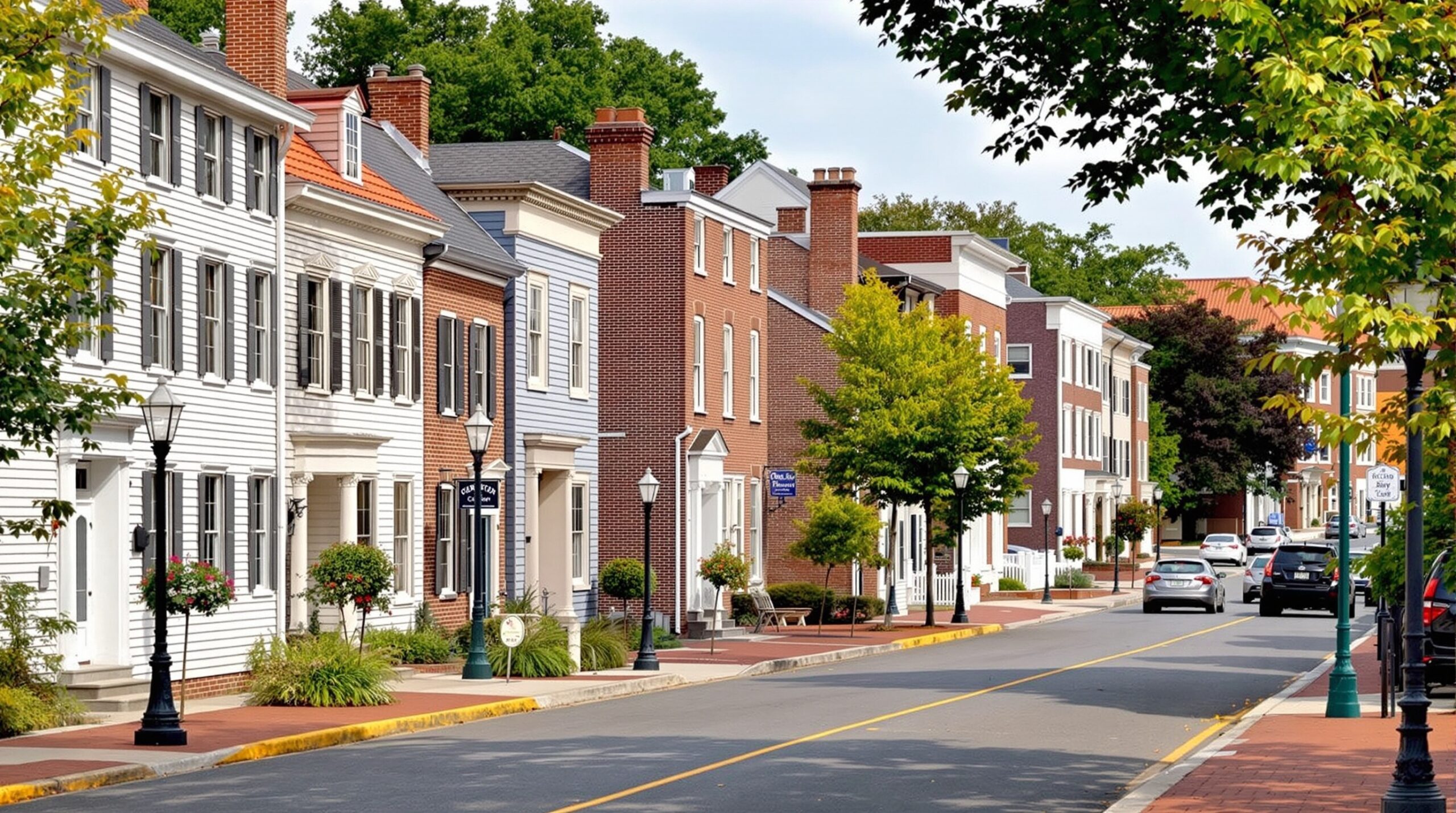
Exploring Orange, Virginia
Welcome to Orange, Virginia, a charming little town where history whispers through its streets. From the moment you step into its warm embrace, you can feel the stories of the past come alive. With its beautiful old buildings and friendly faces, Orange is like a time capsule that shows a slice of American history dating back to the 18th century.
A Balancing Act
But here’s the catch: Orange is at a crossroads. Like many small towns across the country, it has a big decision to make. As new people move in and the town begins to grow, how can it keep that lovely historic charm that makes it special? The challenge is balancing preservation and progress. Can Orange keep its roots while welcoming fresh ideas and development?
Imagine walking down Main Street, where historic buildings, quaint shops, and friendly gatherings paint a picture of the past. Now picture new coffee shops and modern stores popping up next door. It’s exciting and a bit scary all at once! How can the town’s leaders make sure that new developments blend in without overshadowing the history that makes Orange unique?
Join us as we dive into this important discussion. We’ll explore why preserving history matters and how Orange can embrace change while keeping its heart intact.
The Importance of Historic Preservation in Orange, VA
Historic preservation is not merely about conserving old buildings; it’s about safeguarding the essence of a community. In Orange, Virginia, this dedication to preserving the past plays a vital role in maintaining the town’s identity and character. As we reflect on the impact of historic preservation, consider the following key points:
| Benefits of Historic Preservation | Impact on Community |
|---|---|
| Enhances Local Economy | Historic sites attract tourists, boosting local business revenue and creating jobs. |
| Fosters Community Pride | Residents take pride in their heritage, leading to a stronger sense of belonging. |
| Sustains Cultural Identity | Preservation initiatives help maintain unique cultural narratives and traditions. |
| Encourages Environmental Responsibility | Retrofitting and maintaining old buildings can be more environmentally sustainable than new construction. |
| Increases Property Values | Well-preserved historic areas tend to see higher property values, benefiting homeowners. |
For Orange, the stakes are high. The blend of historical richness and future possibilities makes this town a living tapestry woven with both old and new. The homes and structures here stand as testament to the narratives of those who came before—stories that shaped the very landscape this community cherishes today. By preserving these sites, Orange not only honors its past but also enriches the cultural experiences of current and future generations.
Historic preservation also plays a crucial role in education. It provides a tangible connection to the past, offering lessons about architecture, craftsmanship, and the socio-economic dynamics of different eras. Local schools and organizations can leverage these historical sites for workshops, tours, and events, thereby enhancing the educational opportunities available to residents and visitors alike.
Moreover, preserving historic properties supports the sustainable reclamation of urban spaces. By revitalizing and repurposing these buildings rather than demolishing them, Orange can foster a sense of community that intertwines the charm of its past with the excitement of modern development. This approach encourages creativity in design, as developers and architects seek to blend contemporary styles with historic features—creating a unique aesthetic that stands out.
As we move forward, it’s essential for Orange’s citizens and stakeholders to engage in open dialogues about the future. By prioritizing historic preservation, they can thoughtfully steer the town’s growth while ensuring that the charm and vibrancy of Orange remain intact. In doing so, they will not only preserve their identity but will also enrich the experience of all who pass through their beloved town.
Challenges Faced in Balancing Growth and Historic Integrity
While the commitment to historic preservation in Orange, VA, is commendable, the road to balancing growth with historic integrity is fraught with challenges. As the town evolves, it faces pressures that can threaten the very heritage it strives to protect. The interaction between rapid development and preservation initiatives presents a complex landscape that requires careful navigation.
One of the primary challenges is the demand for new housing and commercial space driven by population growth. As more people move to Orange, the need for expanded infrastructure and modern amenities becomes increasingly urgent. Unfortunately, this demand can sometimes overshadow the community’s commitment to preservation. Buildings with historical significance may be proposed for demolition or repurposing, leading to heated debates among residents. Many find themselves torn between the allure of new developments promising economic revival and the desire to honor the community’s storied past.
Another significant hurdle is securing funding for preservation efforts. Restoring and maintaining historic structures often requires a substantial financial investment. While grants and tax incentives exist, they may not always cover the full extent of the necessary work, leading preservationists to confront the hard reality that maintaining historic properties can be a labor of love, often reliant on volunteer efforts and donations. This financial imbalance can become a point of contention, as developers advocate for properties that can promise a quicker return on their investment.
Moreover, the interests of various stakeholders complicate the conversation around growth and preservation. Business owners and developers may prioritize economic growth, envisioning a future that sometimes overlooks the town’s historic motifs. Conversely, conservationists and longtime residents may advocate fiercely for the protection of Orange’s architectural heritage, fearing that any new development might irrevocably alter the character of their beloved town. This tug-of-war between economic viability and historic integrity necessitates robust dialogue and collaboration among community members to find a path forward that honors both visions.
Additionally, issues of zoning and regulatory hurdles can create barriers to effective preservation. Oftentimes, the legislation designed to protect historic properties may inadvertently hinder necessary developments that can introduce vibrancy to the community. Striking a balance between preserving charm and permitting innovation is an ongoing challenge that requires continuous reassessment of policies to protect Orange’s distinctive legacy while also accommodating growth.
As Orange grapples with these challenges, it is important to recognize that the town’s future hinges on its ability to navigate the delicate interplay between preservation and progress. By fostering open conversations and engaging the community in collaborative decision-making, Orange has the opportunity to explore creative solutions that respect its architectural history while embracing modern advancements. Such an approach not only safeguards the past but also lays a rich foundation for a flourishing future.
Strategies for Effective Historic Preservation in Growing Communities
In the face of the myriad challenges that come with balancing growth and historic integrity, communities like Orange, VA, can look to innovative strategies that have proven effective in bridging the gap between the past and the future. Emphasizing collaboration, proactive planning, and adaptive reuse, these strategies not only help preserve historic assets but also enrich the community’s character and sustainability.
One of the most effective strategies is the establishment of a Historic Preservation Commission. This body can serve as a vital link between the community’s goals and the preservation of its heritage. By educating residents on the importance of preserving historic structures, the commission helps cultivate a culture of appreciation that can sway public opinion in favor of preservation efforts. Regular workshops, community meetings, and outreach programs can engage residents in conversations about their history, making them more likely to support or volunteer for preservation initiatives.
Adaptive reuse is another compelling approach that has gained traction in many growing communities. Rather than opting for demolition, developers are increasingly finding value in repurposing historic buildings for contemporary use. This not only helps retain the town’s unique architectural fabric but also can stimulate local economies by creating vibrant spaces for shops, offices, and homes. For example, an old textile mill might be transformed into a trendy co-working space or a historic theater into an artisanal food market. These innovative adaptations can invite new life into aging structures while sparking excitement among residents and tourists alike.
In addition, leveraging technology and digital platforms for fundraising can significantly enhance preservation efforts. Online crowdfunding campaigns have emerged as a powerful tool for raising awareness and financial support for restoration projects. By sharing compelling stories and visuals of the town’s heritage, residents can connect with broader audiences who may be willing to contribute. Social media not only helps spread the word but fosters community pride and engagement, turning preservation initiatives into collective endeavors that further unite the community.
Strategic partnerships between local government, preservation organizations, and businesses can also amplify preservation efforts. By creating tax incentives for businesses that commit to occupy or restore historic properties, towns can incentivize developers to think creatively about preserving local landmarks. In this collaborative spirit, local governments can also facilitate the establishment of preservation easements, which offer property owners assurances that their historic properties will be protected while still allowing for certain updates or modifications to meet modern needs.
Moreover, zoning reform that recognizes and prioritizes historic districts can be instrumental in balancing growth with preservation. Aligning zoning laws with community preservation goals allows for more streamlined approval processes for restoration projects, preventing the erosion of historic sites in the face of new development. By integrating preservation into the town’s urban planning framework, municipalities can maintain the character of their neighborhoods while simultaneously accommodating new housing and business opportunities.
As growing communities like Orange navigate the complex interplay between development and heritage, these strategies can serve as beacons of success. By fostering a culture that values both preservation and innovation, they can turn challenges into triumphs, ensuring that their rich history not only survives but thrums with relevance and resonance for generations to come.
Successful Case Studies of Growth and Preservation
To understand the effectiveness of these innovative strategies, it’s important to highlight communities that have successfully balanced growth with historic preservation. These case studies shine a light on best practices while offering valuable insights into what can be achieved when dedication to heritage meets forward-thinking development.
One remarkable example is the town of Charleston, South Carolina, which has intensified its efforts in preserving its historic charm amid significant urban growth. With the establishment of the Charleston Historic District, local officials have implemented strict guidelines that protect the architectural integrity of buildings in the downtown area. The outcomes are evident in the thriving tourism sector, which has grown concurrently with these preservation efforts. An impressive 6.6 million visitors flocked to Charleston in 2019, demonstrating how historic preservation can also enhance economic vitality.
Particularly noteworthy is the collaborative initiative known as the “Preserving the Legacy” project, which prioritizes adaptive reuse. This project transformed decaying warehouses into artisan studios and boutique shops, melding the old with the new. In so doing, Charleston has managed to maintain its historic appeal while supporting local entrepreneurship—an interplay that reiterates the potential of reimagining historic spaces rather than succumbing to their demolition.
Another impressive case is the city of Asheville, North Carolina, where collaboration between preservationists and local businesses has led to remarkable outcomes. In response to the rising pressure of gentrification, the Asheville Heritage Foundation partnered with the local government to create the “Heritage Revival” program. This initiative allows property owners to receive tax credits for maintaining and restoring their historic homes, ensuring that the rich cultural narrative of the area remains intact amid new developments. Since the program’s inception, over 50 properties have been awarded these incentives, contributing to a palpable sense of community pride and continued investment in the local economy.
| Case Study | Key Strategies | Outcomes |
|---|---|---|
| Charleston, SC | Historic District Regulations, Adaptive Reuse Initiatives | 6.6 million annual visitors, Boosted local economy through tourism |
| Asheville, NC | Heritage Revival Program, Tax Credits for Restoration | 50+ restored properties, Enhanced community pride and economic stability |
Moreover, the small town of New Hope, Pennsylvania, has deployed a unique combination of community engagement and digital technology to foster preservation. By creating an interactive online archive that showcases the town’s history, local residents are motivated to participate in preservation efforts. The project not only educates newcomers about the historical significance of the area but also engages younger generations, ensuring they feel connected to their heritage. This innovative approach has reinvigorated local efforts, leading to a 30% increase in volunteers for preservation-focused events over the past two years.
Lastly, we have the example of San Antonio, Texas, which has effectively integrated its historic preservation goals into urban planning through its “Decade of Downtown” initiative. By aligning zoning regulations with preservation incentives, the city has witnessed a revitalization of its historic districts while accommodating modern developments. This approach has led to the successful restoration of the iconic Market Square, now a bustling hub for both locals and tourists, effectively enhancing the city’s cultural fabric and economic health.
Communities are now beginning to realize that successful growth and preservation do not exist in a vacuum; they are deeply interconnected. As these case studies illustrate, it is possible to embrace the future while respecting the past. By adapting, innovating, and working together, these communities have not only preserved their unique identities but have also paved the way for sustainable growth, creating environments where history is cherished, and modern life can flourish.
Future Perspectives: Planning for a Harmonious Co-existence
Looking ahead, the challenge of balancing growth and preservation mandates a holistic approach that champions community engagement, forward-thinking urban planning, and a resolute commitment to the unique historical narrative of places like Orange, Virginia. As the encroachment of modernization becomes an inevitable aspect of local landscapes, it is imperative that regions recognize the value of integrating their historical legacies within the framework of planning for sustainable development.
In Orange, VA, the potential for a harmonious co-existence lies in the hands of its residents, stakeholders, and local government. A proactive stance on community engagement can transform the dialogue around development, turning it into a collaborative effort that reflects the hopes and aspirations of its citizens. Town hall meetings, workshops, and digital forums can serve as platforms for residents to voice their concerns, share ideas, and participate actively in the decision-making processes. By fostering a culture of inclusivity, citizens will not only feel invested in their community but also empowered to advocate for solutions that bridge their town’s rich heritage with future growth.
Moreover, innovative planning strategies can set a precedent for how communities adapt to change while prioritizing preservation. One approach involves the establishment of clear zoning laws that protect historic districts and structures while promoting adaptive reuse. By allowing developers to convert older properties for modern uses—such as turning a historic home into a cozy café or an office space—Orange can maintain its historical charm while creating vibrant, functional spaces that serve current needs. Incentives for developers can also encourage projects that embrace historical architecture and materials, leading to a cohesive aesthetic that honors the town’s past.
In addition, comprehensive plans should highlight the importance of integrating green spaces and public art that reflect the town’s historical narrative. Planners can collaborate with local artists and historians to create installations that commemorate Orange’s heritage, fostering a sense of place and pride among residents. Such initiatives not only beautify the environment but also provide educational opportunities, ensuring that the stories of the past resonate with future generations.
It is also essential for Orange to cultivate partnerships with historical societies, businesses, and educational institutions dedicated to preserving local heritage. Collaborative programs can be developed, such as heritage festivals, guided historical tours, or even workshops on traditional crafts, which will engage the community while promoting understanding and appreciation of its history. These activities can help forge deeper connections among residents and visitors alike, promoting a cultural ecosystem that supports both tourism and local economies.
Ultimately, by giving weight to its historical narrative, Orange, VA, stands to not only preserve its unique identity but also to embrace growth that respects the past. As communities everywhere grapple with similar challenges, the efforts in Orange can serve as a template for other towns seeking to navigate the delicate balance between old and new. Through active engagement, innovative planning, and a commitment to their historical roots, they can pave the way for a future where progress and preservation walk hand in hand, ensuring that every brick tells a story and every street echoes the echoes of time.
Navigating Threats to Historic Preservation in Orange, VA
While the vision for a harmonious co-existence between new businesses and historical preservation in Orange, VA, is both inspiring and hopeful, several significant threats loom over the town’s cherished heritage. These threats are primarily driven by the pressures of modern development, changing economic dynamics, and insufficient protective measures at the municipal level. A growing trend of prioritizing immediate economic gains over long-term cultural sustainability has raised alarms among preservationists who fear that the unique historical narrative of Orange could be lost amidst the rapid pace of development.
One of the most formidable threats is the increasing demand for commercial real estate. As developers seek to capitalize on the town’s quaint vibe and scenic charm, they may push for the demolition of historic structures to make way for new, profit-driven projects. Unsanctioned renovations, poorly conceived alterations, or even neglect of historic properties can further jeopardize the architectural integrity of the town. Such changes may compromise not only the buildings themselves but also the entire ambience that draws visitors and locals alike to the area.
Recognizing these threats, local officials are taking a multi-faceted approach to accommodate new business interests while preserving the historical sites that define Orange. One integral strategy involves the refining of zoning laws to establish clear guidelines regarding what types of modifications can be undertaken and under what circumstances. By enacting policies that encourage developers to consider adaptive reuse of existing structures, Orange’s leadership can create a blueprint for combining growth with preservation. Furthermore, collaboration with architects specializing in historical restoration ensures that new business developments harmonize with the town’s aesthetic.
Equally important are the financial incentives available to businesses that opt for restoration over demolition. The local government has put into place a series of tax incentives aimed at promoting the refurbishment of historic buildings rather than their complete rebuild. These incentives include tax credits for qualified rehabilitation expenses, grants aimed at covering costs for preservation tasks, and low-interest loans for projects that adhere to specific preservation guidelines. This targeted support is vital in making it economically feasible for businesses to invest in maintaining the heritage of Orange, creating a competitive edge that highlights the value of preserving history in a commercially viable way.
By walking this fine line—recognizing the legitimate needs of commerce while emphasizing the importance of historical identity—Orange stands at a pivotal juncture. With local officials striving to champion economic development without sacrificing the essence of what makes Orange unique, the town can build a resilient future. Indeed, by upholding preservation as a core tenet of growth, Orange, VA, is not just safeguarding its past; it’s ensuring that every new venture contributes to a cohesive narrative—one where history and progress can flourish side by side, enriching the community for generations to come.
“`
Championing Strategies for a Vibrant Tomorrow
Successfully balancing growth and preservation in Orange, VA, necessitates a multi-faceted approach that embraces robust community engagement, innovative planning, and a steadfast commitment to the town’s historical narrative. The journey toward a harmonious future isn’t merely about safeguarding what has come before; it’s about weaving that rich history into the very fabric of modern development. By championing these strategies, Orange can not only honor its past but also pave the way for a future that resonates with both residents and visitors alike.
At the heart of this endeavor lies the importance of creating a vibrant community dialogue. Engaging citizens in meaningful conversations about their collective identity fosters a sense of ownership over their town’s future. Beyond town hall meetings, local governments can utilize social media campaigns and interactive platforms to spur excitement around historical preservation. Imagine a hashtag campaign like #OrangeHeritage, where residents share stories, photographs, and personal anecdotes about their connections to historic sites around town. These grassroots efforts can serve as powerful catalysts, igniting community enthusiasm and ultimately illuminating the pathway toward a future built on the foundation of a cherished past.
Furthermore, as part of a commitment to innovative planning, Orange can explore the incorporation of smart technology in development initiatives. Envision integrating augmented reality experiences that allow residents and visitors alike to engage with the town’s history in new and dynamic ways. For instance, a visitor wandering through the historic district could use a mobile app to access virtual plaques providing information about key events or figures associated with each building. The fusion of technology and storytelling creates an interactive timeline that places the town’s history at one’s fingertips—a creative solution to ensure that the past remains palpable as new structures arise.
Moreover, Orange can look towards initiatives that facilitate coexistence through walkable design. By prioritizing pedestrian-friendly spaces and incorporating vibrant community hubs like open-air markets or pop-up galleries, the town can create environments that draw people in while celebrating its history. By infusing these spaces with elements that reflect the town’s character—such as historical markers or themed public seating—citizens and visitors alike will find themselves enveloped in an atmosphere that balances progressive thinking with nostalgic reverence.
Another key aspect of this balance involves educational outreach programs targeting youth. Local schools could develop partnerships with historical societies to incorporate regional history into their curriculums, creating projects that allow students to discover and document the stories of their hometown. This not only fosters a strong appreciation for the past but also nurtures a new generation of advocates dedicated to ensuring Orange’s historical narrative remains alive and thriving.
Finally, as various stakeholders work collaboratively, funding opportunities can be sought from grants, local businesses, and even crowdfunding to support preservation projects. A well-structured initiative empowering community members to conceive and pitch preservation ideas can stimulate local entrepreneurship while reinforcing the importance of heritage. By establishing a fund where residents can submit proposals for projects that marry growth with preservation, Orange can encourage innovative solutions born from the very fabric of the community.
As Orange, VA, embarks on this transformative journey, the town stands not just as a testament to history but as a beacon for others grappling with similar challenges. Through community engagement, innovative planning, and unwavering dedication to its historical narrative, Orange can embrace the duality of progress and preservation—not as a conflicting dichotomy but as a symbiotic relationship that celebrates what has been while courageously welcoming what is yet to come. In doing so, every street, every park, and every building can echo the vibrant tales of its past while simultaneously paving avenues for future successes.
“`

Hi! I’m Jennifer Bailey and I partner with entrepreneurs who have massive ideas that could change the world. Most marketing is meaningless. Filled with empty promises, its only job is to bring in new traffic, new leads, and new customers. But I’ve drawn a line in the sand, and I’ve learned that marketing can do so much more than reach business goals and build profit. My methods give businesses the fire and soul they need to reach the right people, set the groundwork for sustainable relationships, and offer true value to the people on both the giving and receiving ends of marketing.
Subscribe for Updates
Sponsors



Latest Articles
March 25, 2026
Brush with Greatness: Visual Fine Arts at OCHS
March 2, 2026
Cowgirls (and Boys) Become Weekend Phenomenon at Unionville Brewery
March 2, 2026
County Program Launches Outdoor Adventure Series
March 2, 2026
Clearwater Fire Grill Remains a Steady Presence in Locust Grove
March 2, 2026
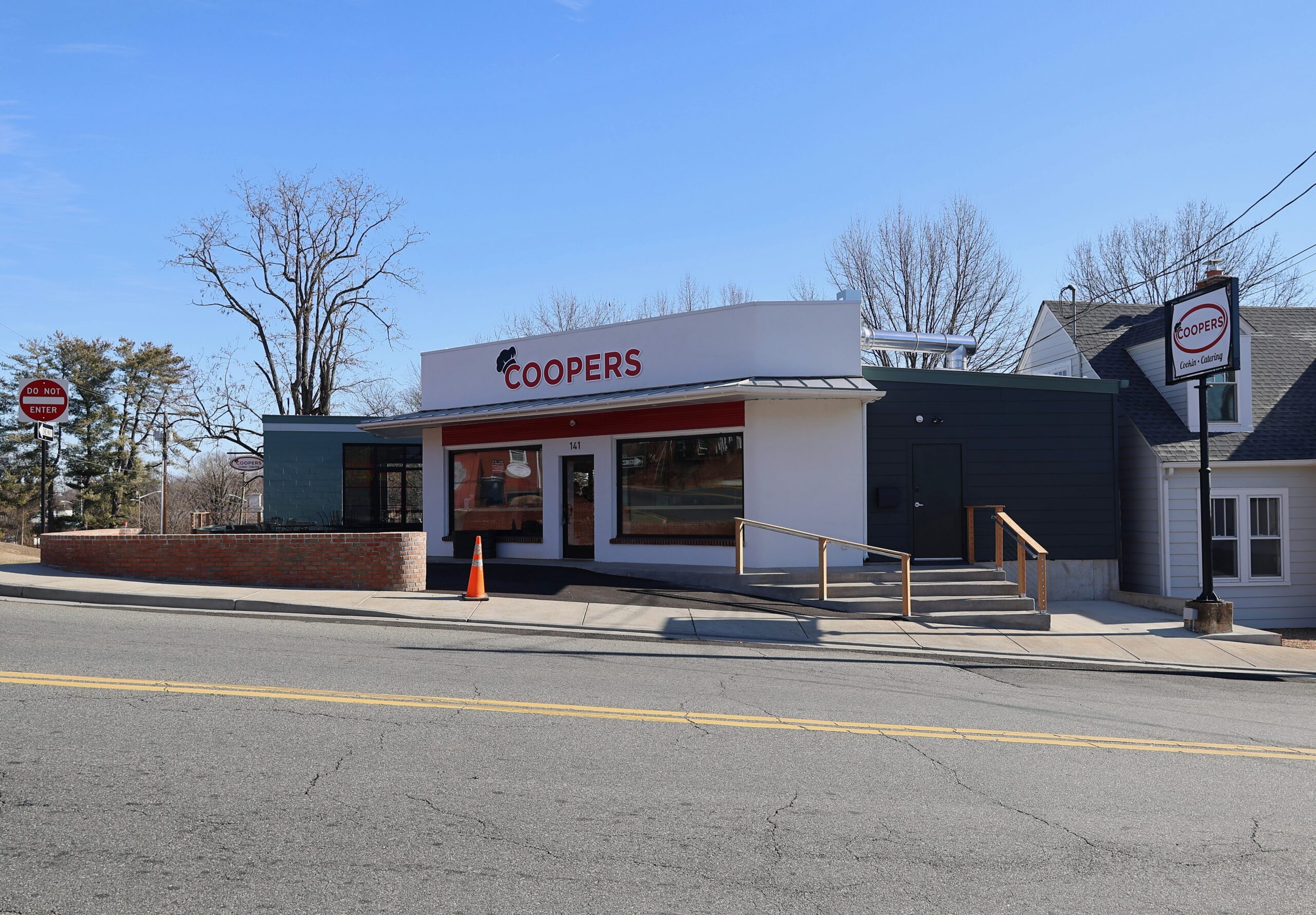
Coopers Cookin’ & Catering Connects Orange to a Reconstruction Era Food Tradition
March 2, 2026
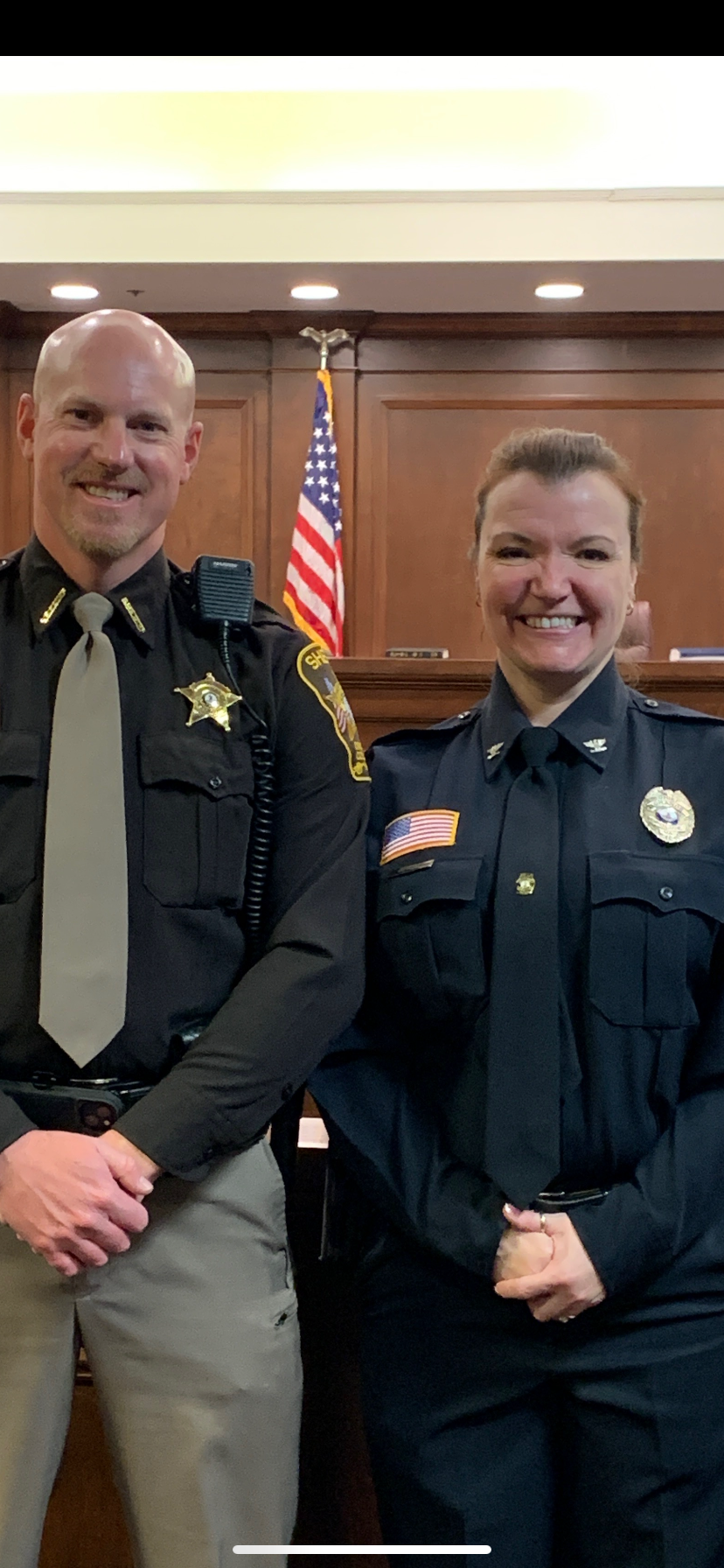
New Police Chief, New Town Manager Mark a Shift in Orange Leadership
Exploring Orange, Virginia
Welcome to Orange, Virginia, a charming little town where history whispers through its streets. From the moment you step into its warm embrace, you can feel the stories of the past come alive. With its beautiful old buildings and friendly faces, Orange is like a time capsule that shows a slice of American history dating back to the 18th century.
A Balancing Act
But here’s the catch: Orange is at a crossroads. Like many small towns across the country, it has a big decision to make. As new people move in and the town begins to grow, how can it keep that lovely historic charm that makes it special? The challenge is balancing preservation and progress. Can Orange keep its roots while welcoming fresh ideas and development?
Imagine walking down Main Street, where historic buildings, quaint shops, and friendly gatherings paint a picture of the past. Now picture new coffee shops and modern stores popping up next door. It’s exciting and a bit scary all at once! How can the town’s leaders make sure that new developments blend in without overshadowing the history that makes Orange unique?
Join us as we dive into this important discussion. We’ll explore why preserving history matters and how Orange can embrace change while keeping its heart intact.
The Importance of Historic Preservation in Orange, VA
Historic preservation is not merely about conserving old buildings; it’s about safeguarding the essence of a community. In Orange, Virginia, this dedication to preserving the past plays a vital role in maintaining the town’s identity and character. As we reflect on the impact of historic preservation, consider the following key points:
| Benefits of Historic Preservation | Impact on Community |
|---|---|
| Enhances Local Economy | Historic sites attract tourists, boosting local business revenue and creating jobs. |
| Fosters Community Pride | Residents take pride in their heritage, leading to a stronger sense of belonging. |
| Sustains Cultural Identity | Preservation initiatives help maintain unique cultural narratives and traditions. |
| Encourages Environmental Responsibility | Retrofitting and maintaining old buildings can be more environmentally sustainable than new construction. |
| Increases Property Values | Well-preserved historic areas tend to see higher property values, benefiting homeowners. |
For Orange, the stakes are high. The blend of historical richness and future possibilities makes this town a living tapestry woven with both old and new. The homes and structures here stand as testament to the narratives of those who came before—stories that shaped the very landscape this community cherishes today. By preserving these sites, Orange not only honors its past but also enriches the cultural experiences of current and future generations.
Historic preservation also plays a crucial role in education. It provides a tangible connection to the past, offering lessons about architecture, craftsmanship, and the socio-economic dynamics of different eras. Local schools and organizations can leverage these historical sites for workshops, tours, and events, thereby enhancing the educational opportunities available to residents and visitors alike.
Moreover, preserving historic properties supports the sustainable reclamation of urban spaces. By revitalizing and repurposing these buildings rather than demolishing them, Orange can foster a sense of community that intertwines the charm of its past with the excitement of modern development. This approach encourages creativity in design, as developers and architects seek to blend contemporary styles with historic features—creating a unique aesthetic that stands out.
As we move forward, it’s essential for Orange’s citizens and stakeholders to engage in open dialogues about the future. By prioritizing historic preservation, they can thoughtfully steer the town’s growth while ensuring that the charm and vibrancy of Orange remain intact. In doing so, they will not only preserve their identity but will also enrich the experience of all who pass through their beloved town.
Challenges Faced in Balancing Growth and Historic Integrity
While the commitment to historic preservation in Orange, VA, is commendable, the road to balancing growth with historic integrity is fraught with challenges. As the town evolves, it faces pressures that can threaten the very heritage it strives to protect. The interaction between rapid development and preservation initiatives presents a complex landscape that requires careful navigation.
One of the primary challenges is the demand for new housing and commercial space driven by population growth. As more people move to Orange, the need for expanded infrastructure and modern amenities becomes increasingly urgent. Unfortunately, this demand can sometimes overshadow the community’s commitment to preservation. Buildings with historical significance may be proposed for demolition or repurposing, leading to heated debates among residents. Many find themselves torn between the allure of new developments promising economic revival and the desire to honor the community’s storied past.
Another significant hurdle is securing funding for preservation efforts. Restoring and maintaining historic structures often requires a substantial financial investment. While grants and tax incentives exist, they may not always cover the full extent of the necessary work, leading preservationists to confront the hard reality that maintaining historic properties can be a labor of love, often reliant on volunteer efforts and donations. This financial imbalance can become a point of contention, as developers advocate for properties that can promise a quicker return on their investment.
Moreover, the interests of various stakeholders complicate the conversation around growth and preservation. Business owners and developers may prioritize economic growth, envisioning a future that sometimes overlooks the town’s historic motifs. Conversely, conservationists and longtime residents may advocate fiercely for the protection of Orange’s architectural heritage, fearing that any new development might irrevocably alter the character of their beloved town. This tug-of-war between economic viability and historic integrity necessitates robust dialogue and collaboration among community members to find a path forward that honors both visions.
Additionally, issues of zoning and regulatory hurdles can create barriers to effective preservation. Oftentimes, the legislation designed to protect historic properties may inadvertently hinder necessary developments that can introduce vibrancy to the community. Striking a balance between preserving charm and permitting innovation is an ongoing challenge that requires continuous reassessment of policies to protect Orange’s distinctive legacy while also accommodating growth.
As Orange grapples with these challenges, it is important to recognize that the town’s future hinges on its ability to navigate the delicate interplay between preservation and progress. By fostering open conversations and engaging the community in collaborative decision-making, Orange has the opportunity to explore creative solutions that respect its architectural history while embracing modern advancements. Such an approach not only safeguards the past but also lays a rich foundation for a flourishing future.
Strategies for Effective Historic Preservation in Growing Communities
In the face of the myriad challenges that come with balancing growth and historic integrity, communities like Orange, VA, can look to innovative strategies that have proven effective in bridging the gap between the past and the future. Emphasizing collaboration, proactive planning, and adaptive reuse, these strategies not only help preserve historic assets but also enrich the community’s character and sustainability.
One of the most effective strategies is the establishment of a Historic Preservation Commission. This body can serve as a vital link between the community’s goals and the preservation of its heritage. By educating residents on the importance of preserving historic structures, the commission helps cultivate a culture of appreciation that can sway public opinion in favor of preservation efforts. Regular workshops, community meetings, and outreach programs can engage residents in conversations about their history, making them more likely to support or volunteer for preservation initiatives.
Adaptive reuse is another compelling approach that has gained traction in many growing communities. Rather than opting for demolition, developers are increasingly finding value in repurposing historic buildings for contemporary use. This not only helps retain the town’s unique architectural fabric but also can stimulate local economies by creating vibrant spaces for shops, offices, and homes. For example, an old textile mill might be transformed into a trendy co-working space or a historic theater into an artisanal food market. These innovative adaptations can invite new life into aging structures while sparking excitement among residents and tourists alike.
In addition, leveraging technology and digital platforms for fundraising can significantly enhance preservation efforts. Online crowdfunding campaigns have emerged as a powerful tool for raising awareness and financial support for restoration projects. By sharing compelling stories and visuals of the town’s heritage, residents can connect with broader audiences who may be willing to contribute. Social media not only helps spread the word but fosters community pride and engagement, turning preservation initiatives into collective endeavors that further unite the community.
Strategic partnerships between local government, preservation organizations, and businesses can also amplify preservation efforts. By creating tax incentives for businesses that commit to occupy or restore historic properties, towns can incentivize developers to think creatively about preserving local landmarks. In this collaborative spirit, local governments can also facilitate the establishment of preservation easements, which offer property owners assurances that their historic properties will be protected while still allowing for certain updates or modifications to meet modern needs.
Moreover, zoning reform that recognizes and prioritizes historic districts can be instrumental in balancing growth with preservation. Aligning zoning laws with community preservation goals allows for more streamlined approval processes for restoration projects, preventing the erosion of historic sites in the face of new development. By integrating preservation into the town’s urban planning framework, municipalities can maintain the character of their neighborhoods while simultaneously accommodating new housing and business opportunities.
As growing communities like Orange navigate the complex interplay between development and heritage, these strategies can serve as beacons of success. By fostering a culture that values both preservation and innovation, they can turn challenges into triumphs, ensuring that their rich history not only survives but thrums with relevance and resonance for generations to come.
Successful Case Studies of Growth and Preservation
To understand the effectiveness of these innovative strategies, it’s important to highlight communities that have successfully balanced growth with historic preservation. These case studies shine a light on best practices while offering valuable insights into what can be achieved when dedication to heritage meets forward-thinking development.
One remarkable example is the town of Charleston, South Carolina, which has intensified its efforts in preserving its historic charm amid significant urban growth. With the establishment of the Charleston Historic District, local officials have implemented strict guidelines that protect the architectural integrity of buildings in the downtown area. The outcomes are evident in the thriving tourism sector, which has grown concurrently with these preservation efforts. An impressive 6.6 million visitors flocked to Charleston in 2019, demonstrating how historic preservation can also enhance economic vitality.
Particularly noteworthy is the collaborative initiative known as the “Preserving the Legacy” project, which prioritizes adaptive reuse. This project transformed decaying warehouses into artisan studios and boutique shops, melding the old with the new. In so doing, Charleston has managed to maintain its historic appeal while supporting local entrepreneurship—an interplay that reiterates the potential of reimagining historic spaces rather than succumbing to their demolition.
Another impressive case is the city of Asheville, North Carolina, where collaboration between preservationists and local businesses has led to remarkable outcomes. In response to the rising pressure of gentrification, the Asheville Heritage Foundation partnered with the local government to create the “Heritage Revival” program. This initiative allows property owners to receive tax credits for maintaining and restoring their historic homes, ensuring that the rich cultural narrative of the area remains intact amid new developments. Since the program’s inception, over 50 properties have been awarded these incentives, contributing to a palpable sense of community pride and continued investment in the local economy.
| Case Study | Key Strategies | Outcomes |
|---|---|---|
| Charleston, SC | Historic District Regulations, Adaptive Reuse Initiatives | 6.6 million annual visitors, Boosted local economy through tourism |
| Asheville, NC | Heritage Revival Program, Tax Credits for Restoration | 50+ restored properties, Enhanced community pride and economic stability |
Moreover, the small town of New Hope, Pennsylvania, has deployed a unique combination of community engagement and digital technology to foster preservation. By creating an interactive online archive that showcases the town’s history, local residents are motivated to participate in preservation efforts. The project not only educates newcomers about the historical significance of the area but also engages younger generations, ensuring they feel connected to their heritage. This innovative approach has reinvigorated local efforts, leading to a 30% increase in volunteers for preservation-focused events over the past two years.
Lastly, we have the example of San Antonio, Texas, which has effectively integrated its historic preservation goals into urban planning through its “Decade of Downtown” initiative. By aligning zoning regulations with preservation incentives, the city has witnessed a revitalization of its historic districts while accommodating modern developments. This approach has led to the successful restoration of the iconic Market Square, now a bustling hub for both locals and tourists, effectively enhancing the city’s cultural fabric and economic health.
Communities are now beginning to realize that successful growth and preservation do not exist in a vacuum; they are deeply interconnected. As these case studies illustrate, it is possible to embrace the future while respecting the past. By adapting, innovating, and working together, these communities have not only preserved their unique identities but have also paved the way for sustainable growth, creating environments where history is cherished, and modern life can flourish.
Future Perspectives: Planning for a Harmonious Co-existence
Looking ahead, the challenge of balancing growth and preservation mandates a holistic approach that champions community engagement, forward-thinking urban planning, and a resolute commitment to the unique historical narrative of places like Orange, Virginia. As the encroachment of modernization becomes an inevitable aspect of local landscapes, it is imperative that regions recognize the value of integrating their historical legacies within the framework of planning for sustainable development.
In Orange, VA, the potential for a harmonious co-existence lies in the hands of its residents, stakeholders, and local government. A proactive stance on community engagement can transform the dialogue around development, turning it into a collaborative effort that reflects the hopes and aspirations of its citizens. Town hall meetings, workshops, and digital forums can serve as platforms for residents to voice their concerns, share ideas, and participate actively in the decision-making processes. By fostering a culture of inclusivity, citizens will not only feel invested in their community but also empowered to advocate for solutions that bridge their town’s rich heritage with future growth.
Moreover, innovative planning strategies can set a precedent for how communities adapt to change while prioritizing preservation. One approach involves the establishment of clear zoning laws that protect historic districts and structures while promoting adaptive reuse. By allowing developers to convert older properties for modern uses—such as turning a historic home into a cozy café or an office space—Orange can maintain its historical charm while creating vibrant, functional spaces that serve current needs. Incentives for developers can also encourage projects that embrace historical architecture and materials, leading to a cohesive aesthetic that honors the town’s past.
In addition, comprehensive plans should highlight the importance of integrating green spaces and public art that reflect the town’s historical narrative. Planners can collaborate with local artists and historians to create installations that commemorate Orange’s heritage, fostering a sense of place and pride among residents. Such initiatives not only beautify the environment but also provide educational opportunities, ensuring that the stories of the past resonate with future generations.
It is also essential for Orange to cultivate partnerships with historical societies, businesses, and educational institutions dedicated to preserving local heritage. Collaborative programs can be developed, such as heritage festivals, guided historical tours, or even workshops on traditional crafts, which will engage the community while promoting understanding and appreciation of its history. These activities can help forge deeper connections among residents and visitors alike, promoting a cultural ecosystem that supports both tourism and local economies.
Ultimately, by giving weight to its historical narrative, Orange, VA, stands to not only preserve its unique identity but also to embrace growth that respects the past. As communities everywhere grapple with similar challenges, the efforts in Orange can serve as a template for other towns seeking to navigate the delicate balance between old and new. Through active engagement, innovative planning, and a commitment to their historical roots, they can pave the way for a future where progress and preservation walk hand in hand, ensuring that every brick tells a story and every street echoes the echoes of time.
Navigating Threats to Historic Preservation in Orange, VA
While the vision for a harmonious co-existence between new businesses and historical preservation in Orange, VA, is both inspiring and hopeful, several significant threats loom over the town’s cherished heritage. These threats are primarily driven by the pressures of modern development, changing economic dynamics, and insufficient protective measures at the municipal level. A growing trend of prioritizing immediate economic gains over long-term cultural sustainability has raised alarms among preservationists who fear that the unique historical narrative of Orange could be lost amidst the rapid pace of development.
One of the most formidable threats is the increasing demand for commercial real estate. As developers seek to capitalize on the town’s quaint vibe and scenic charm, they may push for the demolition of historic structures to make way for new, profit-driven projects. Unsanctioned renovations, poorly conceived alterations, or even neglect of historic properties can further jeopardize the architectural integrity of the town. Such changes may compromise not only the buildings themselves but also the entire ambience that draws visitors and locals alike to the area.
Recognizing these threats, local officials are taking a multi-faceted approach to accommodate new business interests while preserving the historical sites that define Orange. One integral strategy involves the refining of zoning laws to establish clear guidelines regarding what types of modifications can be undertaken and under what circumstances. By enacting policies that encourage developers to consider adaptive reuse of existing structures, Orange’s leadership can create a blueprint for combining growth with preservation. Furthermore, collaboration with architects specializing in historical restoration ensures that new business developments harmonize with the town’s aesthetic.
Equally important are the financial incentives available to businesses that opt for restoration over demolition. The local government has put into place a series of tax incentives aimed at promoting the refurbishment of historic buildings rather than their complete rebuild. These incentives include tax credits for qualified rehabilitation expenses, grants aimed at covering costs for preservation tasks, and low-interest loans for projects that adhere to specific preservation guidelines. This targeted support is vital in making it economically feasible for businesses to invest in maintaining the heritage of Orange, creating a competitive edge that highlights the value of preserving history in a commercially viable way.
By walking this fine line—recognizing the legitimate needs of commerce while emphasizing the importance of historical identity—Orange stands at a pivotal juncture. With local officials striving to champion economic development without sacrificing the essence of what makes Orange unique, the town can build a resilient future. Indeed, by upholding preservation as a core tenet of growth, Orange, VA, is not just safeguarding its past; it’s ensuring that every new venture contributes to a cohesive narrative—one where history and progress can flourish side by side, enriching the community for generations to come.
“`
Championing Strategies for a Vibrant Tomorrow
Successfully balancing growth and preservation in Orange, VA, necessitates a multi-faceted approach that embraces robust community engagement, innovative planning, and a steadfast commitment to the town’s historical narrative. The journey toward a harmonious future isn’t merely about safeguarding what has come before; it’s about weaving that rich history into the very fabric of modern development. By championing these strategies, Orange can not only honor its past but also pave the way for a future that resonates with both residents and visitors alike.
At the heart of this endeavor lies the importance of creating a vibrant community dialogue. Engaging citizens in meaningful conversations about their collective identity fosters a sense of ownership over their town’s future. Beyond town hall meetings, local governments can utilize social media campaigns and interactive platforms to spur excitement around historical preservation. Imagine a hashtag campaign like #OrangeHeritage, where residents share stories, photographs, and personal anecdotes about their connections to historic sites around town. These grassroots efforts can serve as powerful catalysts, igniting community enthusiasm and ultimately illuminating the pathway toward a future built on the foundation of a cherished past.
Furthermore, as part of a commitment to innovative planning, Orange can explore the incorporation of smart technology in development initiatives. Envision integrating augmented reality experiences that allow residents and visitors alike to engage with the town’s history in new and dynamic ways. For instance, a visitor wandering through the historic district could use a mobile app to access virtual plaques providing information about key events or figures associated with each building. The fusion of technology and storytelling creates an interactive timeline that places the town’s history at one’s fingertips—a creative solution to ensure that the past remains palpable as new structures arise.
Moreover, Orange can look towards initiatives that facilitate coexistence through walkable design. By prioritizing pedestrian-friendly spaces and incorporating vibrant community hubs like open-air markets or pop-up galleries, the town can create environments that draw people in while celebrating its history. By infusing these spaces with elements that reflect the town’s character—such as historical markers or themed public seating—citizens and visitors alike will find themselves enveloped in an atmosphere that balances progressive thinking with nostalgic reverence.
Another key aspect of this balance involves educational outreach programs targeting youth. Local schools could develop partnerships with historical societies to incorporate regional history into their curriculums, creating projects that allow students to discover and document the stories of their hometown. This not only fosters a strong appreciation for the past but also nurtures a new generation of advocates dedicated to ensuring Orange’s historical narrative remains alive and thriving.
Finally, as various stakeholders work collaboratively, funding opportunities can be sought from grants, local businesses, and even crowdfunding to support preservation projects. A well-structured initiative empowering community members to conceive and pitch preservation ideas can stimulate local entrepreneurship while reinforcing the importance of heritage. By establishing a fund where residents can submit proposals for projects that marry growth with preservation, Orange can encourage innovative solutions born from the very fabric of the community.
As Orange, VA, embarks on this transformative journey, the town stands not just as a testament to history but as a beacon for others grappling with similar challenges. Through community engagement, innovative planning, and unwavering dedication to its historical narrative, Orange can embrace the duality of progress and preservation—not as a conflicting dichotomy but as a symbiotic relationship that celebrates what has been while courageously welcoming what is yet to come. In doing so, every street, every park, and every building can echo the vibrant tales of its past while simultaneously paving avenues for future successes.
“`
Hi! I’m Jennifer Bailey and I partner with entrepreneurs who have massive ideas that could change the world. Most marketing is meaningless. Filled with empty promises, its only job is to bring in new traffic, new leads, and new customers. But I’ve drawn a line in the sand, and I’ve learned that marketing can do so much more than reach business goals and build profit. My methods give businesses the fire and soul they need to reach the right people, set the groundwork for sustainable relationships, and offer true value to the people on both the giving and receiving ends of marketing.
Subscribe for Updates
Sponsors
latest articles
March 25, 2026
Brush with Greatness: Visual Fine Arts at OCHS
March 2, 2026
Cowgirls (and Boys) Become Weekend Phenomenon at Unionville Brewery
March 2, 2026
County Program Launches Outdoor Adventure Series
March 2, 2026
Clearwater Fire Grill Remains a Steady Presence in Locust Grove
March 2, 2026
Coopers Cookin’ & Catering Connects Orange to a Reconstruction Era Food Tradition
March 2, 2026
New Police Chief, New Town Manager Mark a Shift in Orange Leadership
Coopers Cookin’ & Catering Connects Orange to a Reconstruction Era Food Tradition
Newly relocated at 141 Caroline Street in Orange, Coopers Cookin’ & Catering serves Southern staples rooted in a family history…
Article By Judi Cooper
New Police Chief, New Town Manager Mark a Shift in Orange Leadership
The Town of Orange opened 2026 with a series of major leadership changes, headlined by the appointment of Rebecca Davis…
Article By Judi Cooper

The OCHS Alumni and Friends Foundation Part Two: Interview with Founder Bill Hager
It is often said that graduation is not the end, but the beginning of a lifelong relationship with one’s alma…