

Welcome to Orange, VA!
Nestled in the heart of Virginia lies a town brimming with historical significance and cultural vibrancy—Orange, VA. Imagine stepping into a place where every corner tells a different story and every street takes you on a journey through time. That’s the magic of Orange! From its picturesque landscapes to its charming architecture, this town is not just another dot on the map; it’s a treasure trove of memories and milestones that shaped the very fabric of American history.
Take a Step Back in Time
As we embark on this journey together, think about how the early settlers, brave soldiers, and creative thinkers breathed life into this vibrant community. With each twist and turn, we’ll explore the key events and figures that left their mark on this fascinating town. Have you ever wondered how a small place like Orange could play a major role in the story of our nation? Well, you’re in for a treat as we unravel its storied past!
Let’s dive into the rich tapestry of Orange and discover how its unique identity has been shaped by the people who came before us. Whether you’re a history buff or a curious traveler, get ready to uncover the wonders of Orange, VA—a town where the past and present beautifully collide!
The Birth of a Town: Founding and Early Days
The story of Orange, Virginia, begins with the indomitable spirit of early explorers who ventured into these lush landscapes long before the town was officially established. It was during the late 17th century that adventurous souls set their sights on this fertile region, enticed by the lush rolling hills and the promise of prosperity. Those explorers laid the groundwork for what would soon emerge as a thriving settlement. With names still resonating through the whispers of history, figures like Colonel James Madison ventured into the area, lured by its beauty and potential.
In honor of Prince William of Orange, the town was aptly named, reflecting both its British heritage and the recognition of the prince’s role in the Glorious Revolution which sought to establish constitutional governance in England. The name symbolizes a bridge between cultures and the evolving identity of the town as it grew from outpost to community.
However, it was not until 1734 that the legal framework for Orange began to take shape with the issuance of the Town Charter. This pivotal document was integral to the town’s development; it not only delineated the boundaries of the settlement but also granted local governance, laying the foundation for self-rule and community organization. It recognized the burgeoning population and their need for structured leadership, fostering an environment where local agriculture, trade, and community life could flourish.
Key Events in the Founding of Orange, VA
| Year | Event | Significance |
|---|---|---|
| 1700s | Early Exploration | Explorers and settlers began arriving, paving the way for future communities. |
| 1730 | Town Established | Formation of a community that thrived on agriculture and trade. |
| 1734 | Town Charter Issued | Formal recognition of the town, allowing for local governance and community development. |
| 1750s | Population Growth | Increased migration led to a vibrant, diverse community. |
In the years following the establishment of its Town Charter, Orange grew rapidly. Families settled in, drawn not only by the fertile land but by a sense of camaraderie and shared purpose. The intertwining of souls and stories soon created a unique fabric of life in Orange, making it a cornerstone of early American society.
As we reflect on the humble beginnings and remarkable evolution of Orange, it becomes clear that this town was not merely created in isolation; rather, it was a confluence of peoples, ideas, and determined spirits. The foundation laid in those early years has continued to influence the town’s character and resilience—an invaluable lesson as we turn the next page into its role as a strategic center in the times of turmoil and triumph.
A Strategic Center: Orange VA in Wars
As we delve deeper into the historical tapestry of Orange, Virginia, its significance becomes palpably intertwined with the tumultuous events that shaped the nation. The strategic location of this charming town made it a key player during both the American Revolutionary War and the Civil War, serving as a nexus for campaigns and a refuge for soldiers and civilians alike. Its rolling hills and favorable geography lent themselves to military maneuvers and strategic planning, which would leave a lasting imprint on the town’s legacy.
During the American Revolutionary War, Orange County’s proximity to key routes and its position within the burgeoning Virginia territory positioned it as a formidable stronghold against British forces. Historical records reveal that in 1780, a meeting of the Virginia Assembly convened in Orange—an event pivotal to rallying support for the Revolutionary cause. Local patriot leaders like Colonel William Cabell emerged as heroes, steadfast in their commitment to independence. As troops marched through the rugged terrain of the county, they were met with the unwavering bravery of the Orange citizens, who provided supplies, shelter, and moral support in their quest for freedom.
Fast forward to the Civil War, and once again, Orange found itself at the heart of conflict. Situated strategically between the Union and Confederate lines, the town witnessed a series of significant battles that would etch its name into the annals of American history. The nearby Wilderness Battlefield was the site of one of the fiercest clashes in 1864, where both Union and Confederate soldiers fought mercilessly for control. The tales of local figures like General James Longstreet, who headquartered his troops in the area, add a personal touch to the historical narrative. These military leaders, while part of larger national battles, were profoundly influenced by the landscapes and communities surrounding them.
The rich soil and fertile farmland served not only as sustenance during these conflicts but became a backdrop for countless stories of heroism and sacrifice. Accounts of ordinary townsfolk who helped nurses wounded soldiers reveal the remarkable strength of the human spirit in desperate times. Whether it was providing food to soldiers or burying the deceased, their contributions were vital to the war efforts and echo through history. Names like Clara Barton, who set up makeshift hospitals in Orange, signify the powerful impact the town had in nurturing not just soldiers, but morale during these challenging times.
As we explore the strategic center that Orange became during these wars, it is essential to spotlight the courageous individuals, both famous and unsung, whose legacies continue to inspire. Their stories remind us of the tangled paths of war and peace, highlighting the role Orange played not just as a backdrop, but as a determined participant in the fight for freedom and unity. This historical significance has forged an identity integral to the town’s fabric, leading us to understand how the economy and community life evolved in the years following these remarkable chapters.
As the dust of war settled over Orange, Virginia, the resilience of its residents echoed through the landscape, leading to a transformation that would ultimately pivot the town towards agricultural prosperity and economic development. The scars of conflict gradually healed, giving rise to a new identity marked not by the struggles of the past, but by the fertile promise of its land and the ingenuity of its people.
Historically rooted in the plantation economy, Orange’s agrarian focus shifted dramatically post-Civil War. The large estates that once thrived on enslaved labor transitioned into family-owned farms, indicative of a broader societal change that emphasized small-scale, sustainable agriculture. This shift not only altered the demographics of the region as former enslaved individuals became landowners but also redefined the social fabric of Orange. Gone were the days when wealth was concentrated in the hands of a few; the land began to be cultivated by those who called it home, forging a deeper connection between farmers and the earth they tended.
The economic transformations from the 19th to the 21st century reflect this evolution in agricultural focus. Initially, crops such as tobacco and cotton dominated the landscape, staples of a cash crop economy that provided substantial profits but often at a cost to soil health and community sustainability. However, as the nation entered the 20th century, a recognition of the need for diverse agricultural practices emerged. Farmers began to explore alternative crops and practices that emphasized ecological sustainability. This burgeoning movement laid the groundwork for the present-day emphasis on organic farming and local markets, fostering a renewed commitment to community-supported agriculture.
By the late 20th century, Orange witnessed a renaissance of sorts; the agrarian economy became interlaced with a thriving tourism industry. The scenic backdrop of rolling hills, vibrant farmland, and rich historical narratives drew visitors eager to explore Virginia’s storied past and thriving local culture. Farmers’ markets sprang to life, offering a wealth of fresh produce, artisanal goods, and, most importantly, stories—each product connecting consumers to the folks who tended the soil. This circular economy fortified the bond between residents and visitors, blending historic appreciation with modern consumer habits.
As we peer into the 21st century, it becomes clear that agriculture remains a cornerstone of Orange’s economic vitality. Local farmers and entrepreneurs are not just cultivating crops but are also nurturing a culture of sustainable practices and economic resilience. The vineyards and farms that adorn the outskirts of town stand testament to a vibrant community dedicated to preserving both their agricultural heritage and thriving in an ever-evolving marketplace. Investments in agritourism, food craftsmanship, and cooperative markets reflect a commitment to innovation alongside tradition, providing fresh avenues for economic development while honoring the past.
In this intricate dance of history and economy, Orange, Virginia, exemplifies how a community can rise from its turbulent past, transforming scars into strength. The legacy of agriculture serves not only as a means of sustenance but as a testament to the resilience and ingenuity of its people—a narrative that continues to unfold as Orange solidifies its identity as a thriving agricultural hub, poised for future growth while honoring the rich tapestry of its past. As we turn our gaze towards the cultural influence of this vibrant town, we find that its architectural and artistic heritage is yet another thread woven into this dynamic community fabric.
As we explore the cultural influence that enriches Orange, Virginia, the architectural and artistic heritage emerges as an indelible hallmark of the town’s identity. Walking down its tree-lined streets, visitors can’t help but be enchanted by the historical buildings that narrate tales of yesteryear, each structure a testament to the craftsmanship and architectural prowess that defined the era in which they were built. The distinctive styles vary from the stately Federal homes with their simple yet elegant symmetry to the ornate Victorian designs bursting with intricate details. These architectural wonders are not merely remnants of the past; they are vital components of the town’s contemporary landscape, serving as both a celebration of history and a tangible expression of community pride.
| Architectural Style | Features | Historical Significance |
|---|---|---|
| Federal | Simplicity, rectangular shape, symmetrical windows | Popular in the early 19th century, symbolizing the new American spirit. |
| Victorian | Ornate details, asymmetrical designs, vibrant colors | Reflects the prosperity of the post-Civil War era and the rise of the middle class. |
| Colonial Revival | Classic gable roofs, brick exteriors, decorative columns | Emphasizes a return to traditional American roots in the early 20th century. |
Beyond these physical structures, the impact of the arts and crafts within Orange has helped to foster a vibrant local culture. Artisans have resided in the community for generations, drawing upon the rich historical narratives surrounding them to create works that resonate deeply with both local residents and visitors alike. From hand-blown glass and hand-carved furniture to vibrant paintings capturing the bucolic landscapes, the spirit of craftsmanship is alive and well in Orange. Local art galleries and craft fairs celebrate this flourishing creative scene, showcasing the talents of those dedicated to perpetuating traditional techniques while incorporating contemporary themes that speak to today’s cultural conversations.
Yet, the heartbeat of Orange’s cultural heritage is not solely defined by its historical buildings or artistic endeavors; it is fundamentally tied to the town’s unwavering commitment to preserving its past. Various community initiatives have emerged, driven by passionate residents and local organizations dedicated to protecting the architectural integrity of homes and public spaces that hold stories of the past. Preservation efforts have given rise to historical societies and heritage groups that advocate for the safeguarding of these irreplaceable assets, ensuring that future generations will be able to experience the essence of Orange as it once was. The annual Heritage Festival serves as a vibrant showcase of this commitment, where the community comes together to celebrate its history through music, storytelling, and arts and crafts.
As tourism flourishes, so too does the role of heritage tourism, with visitors increasingly drawn to Orange for its rich narratives and historic ambiance. The town’s unique blend of agricultural charm and historical virtues has become a potent attraction for those eager to experience authentic Virginia culture. An increasing number of guided tours, historic reenactments, and heritage trails invite visitors not just to witness, but to actively engage with the town’s legacy. This burgeoning interest in the past provides a vital economic boost, transforming the way locals interact with their community and presenting opportunities for entrepreneurs and small businesses to thrive in this arena. In fostering both a sense of belonging and a connection to history, Orange successfully intertwines the essence of the past with the vibrancy of modern life, creating a setting where growth is met with stewardship.
Modern Orange, VA, has emerged as a quintessential example of a community that values both the leap into the future and a respectful nod to its roots. In navigating this delicate balance, the town exemplifies how growth can harmoniously coexist with historical preservation. Local government and dedicated non-profits have initiated programs aimed at aligning development with heritage concerns, ensuring that new projects complement the existing aesthetic and cultural fabric of Orange. By integrating updated infrastructure and innovative urban planning techniques while respecting historical site boundaries, authorities are paving the way for a sustainable and vibrant town.
Among the standout initiatives is the “Preserve Orange” campaign, which encourages residents to participate in community-led efforts that both celebrate and protect the town’s distinctive architectural character. Workshops and town hall meetings invite community members to participate in planning sessions, voicing their ideas on how to sustain Orange’s unique identity in the face of modern challenges. Strategies, such as incentivizing property owners to restore and maintain historical buildings, promote an authentic character that continues to draw potential tourists eager to explore the very essence of Virginia’s history.
The role of heritage tourism has become pivotal in driving Orange’s economy, as visitors are captivated by its charming streets and storied past. Historical markers dot the landscape, each unveiling an aspect of the town’s heritage that once shaped the nation, transforming mere curiosity into a meaningful experience. The local economy is benefitting immensely; shop owners and restaurateurs report a significant uptick in business due to the influx of tourists drawn to the rich stories embedded in the town’s architecture. Visitors often find themselves savoring a meal made with locally sourced ingredients after taking part in a historical walking tour, seamlessly intertwining their experiences with the community’s cultural fabric. Businesses have begun to cater specifically to this interest, offering immersive experiences such as cooking classes, artisan workshops, and historical reenactments that deepen the engagement between visitors and the town’s heritage.
Moreover, the symbiotic relationship between residents and visitors enhances the town’s communal feel, as many find themselves sharing stories that transcend generations, instilling a collective sense of pride and responsibility for heritage stewardship. Annual events like the “Historic Orange Experience” allow visitors to immerse themselves in history, effectively bridging the gap between past and present. Through these events, Orange aims not just to recount its past, but to keep it alive, ensuring that the stories of those who came before continue to inspire ongoing dialogue and creativity.
As the sun sets behind the rolling hills of Virginia, casting a warm glow on the historic buildings that stand as pillars of the community, it becomes evident that Orange is more than just a town rich in history—it’s a thriving hub of culture, commitment, and creativity. Here, modern convenience blends effortlessly with the whispers of the past, inviting explorers, historians, and enthusiasts alike to partake in a rich tapestry that tells America’s defining moments. With every brick laid, every festival celebrated, and every artisan’s creation displayed, Orange, VA, stands resilient, poised for the future while honoring the resilience and lessons learned from its storied past.
When it comes to the history of Orange, VA, questions abound, particularly regarding its significant role in shaping both local and national narratives. As we continue our exploration of this dynamic town, let’s delve into some frequently asked questions that illuminate the fabric of Orange’s historical significance.
What significant battles were fought near Orange, VA?
Orange County, rich in military history, was at the crossroads of several pivotal Civil War battles. Notably, the Battle of Cedar Mountain, which took place on August 9, 1862, was a key engagement during the Northern Virginia Campaign. The Union and Confederate forces clashed fiercely, resulting in a tactical victory for General Stonewall Jackson’s troops, although the battle did not lead to a decisive outcome in favor of either side. The repercussions of this and other local battles had profound effects on the community, influencing both its demography and landscape.
How did Orange, VA contribute to the Revolutionary War?
Even before its establishment, Orange played a role in the early stirrings of independence. The area served as a gathering point for Revolutionary War figures and patriots who sought to unify their cause against British rule. Notably, it was home to significant leaders such as James Madison, who would go on to become the fourth President of the United States. Local taverns and homes served as meeting houses where strategies for resistance were discussed, making Orange an understated yet vital player in the fight for American independence.
What are the key historical sites to visit in Orange, VA today?
The town boasts a variety of historical sites that beckon visitors, eager to learn about its illustrious past. The Madison-Barbour Rural Historic District is not to be missed, featuring beautifully preserved antebellum homes and landscapes that offer a glimpse into the life of Virginia’s gentry. The historic Orange Train Station, which dates back to the late 1800s, stands as a testament to the town’s early transportation development. Additionally, the Civil War Museum, located in the former New Hope Baptist Church, provides educational exhibits and artifacts essential for contextualizing the town’s Civil War narrative.
How has the economy evolved since the town’s founding?
Orange’s economy has undergone significant transitions since its founding in 1734. Originally centered on agriculture, particularly in tobacco and wheat, the economy began diversifying in the 19th century with the introduction of railroads facilitating trade and travel. As industrialization swept through the region, local commerce expanded, setting the stage for what would eventually become a vibrant mix of small businesses drawing on both historical appeal and modern consumer interests. Today, agricultural tourism, dining, and boutique shopping thrive, bolstered by the town’s growing reputation as a destination for heritage tourism.
Understanding these elements showcases the resilience and adaptability of Orange, VA, as it honors its history while embracing the future. With its blend of historical intrigue and modern vibrancy, Orange stands as a hub for storytelling, allowing each visitor to become a part of its ongoing narrative. Whether strolling through historic districts, participating in reenactments, or dining at locally owned establishments, the past echoes through present experiences, inviting everyone to take part in shaping the legacy of this remarkable town.
“`
In the heart of Orange, Virginia, time seems to flow like the nearby Rapidan River—steady, yet ever-changing. Each street corner holds a whisper of history, inviting those who walk its paths to uncover narratives woven into the very fabric of the town. Here, the air is thick with stories: of the Revolutionary War, where soldiers once marched and strategized; of the rich agricultural heritage that shaped the local economy; and of the Civil Rights Movement, which saw courageous citizens stand for equality and justice. These moments are not merely echoes of the past—they are the very backbone of the community’s identity.
As explorers roam the brick-paved streets, they encounter landmarks such as the historic courthouse and the elegantly preserved former homes, each echoing sentiments of resilience. Art galleries and boutique shops reside in these time-honored structures, allowing contemporary artists to showcase their work while maintaining the sanctity of Orange’s architectural integrity. This thoughtful integration fosters a dialogue between eras, where modern creativity finds its roots in traditions that have stood the test of time.
Moreover, Orange’s commitment to education ensures that history remains a vibrant part of the community’s future. Local schools incorporate lessons that celebrate the town’s heritage, allowing young minds to grasp the significance of the events that shaped not just Orange, but the nation as a whole. Field trips to the local museums and historical sites inspire pride in students, creating a generation that values the importance of preserving history while boldly stepping into tomorrow.
Every September, the “Heritage Festival” invites citizens and visitors to partake in a celebration of arts, crafts, music, and food rooted in Orange’s past. This lively event is more than just entertainment; it serves as a poignant reminder of the town’s commitment to honoring its rich diversity and communal spirit. Attendees are treated to traditional performances, tantalizing regional delicacies, and exhibitions showcasing the craftsmanship that has defined the area for generations. As laughter, melody, and nostalgia fill the air, one can see how the people of Orange not only embrace their legacy but carry it forward with enthusiasm.
The town’s resilience is reflected not only in the preservation of its structures but also in its robust community spirit. Organizations like the Orange Chamber of Commerce are proactively engaging local business owners, encouraging collaborative projects that foster economic development while promoting heritage awareness. Initiatives that spotlight local artisans and businesses often find themselves interlinked, as they highlight the unique offerings that contribute to Orange’s character, inviting collaboration that benefits everyone involved.
As we stand on the cusp of the future, it’s clear that Orange, VA, is not merely resting on the laurels of its historical significance. Instead, it is revitalizing its legacy, creating an environment where past and present coalesce in a celebration of resilience, creativity, and community. The stories of its ancestors—whose struggles, victories, and dreams have paved the way—continue to inspire today’s inhabitants. Every new venture and each restored building contribute to a narrative rich with purpose, making Orange a model for towns across America striving to weave their histories into a bright and promising future.
In essence, whether you are wandering through a timeworn cemetery, exploring an artisan’s workshop, or relishing a meal at a local café, the spirit of Orange extends a heartfelt invitation: come and explore a place where history is not merely a chapter closed but an ongoing story, waiting to be retold time and time again.
“`

Hi! I’m Jennifer Bailey and I partner with entrepreneurs who have massive ideas that could change the world. Most marketing is meaningless. Filled with empty promises, its only job is to bring in new traffic, new leads, and new customers. But I’ve drawn a line in the sand, and I’ve learned that marketing can do so much more than reach business goals and build profit. My methods give businesses the fire and soul they need to reach the right people, set the groundwork for sustainable relationships, and offer true value to the people on both the giving and receiving ends of marketing.
Subscribe for Updates
Sponsors


Latest Articles
March 2, 2026
Cowgirls (and Boys) Become Weekend Phenomenon at Unionville Brewery

March 2, 2026
County Program Launches Outdoor Adventure Series
March 2, 2026
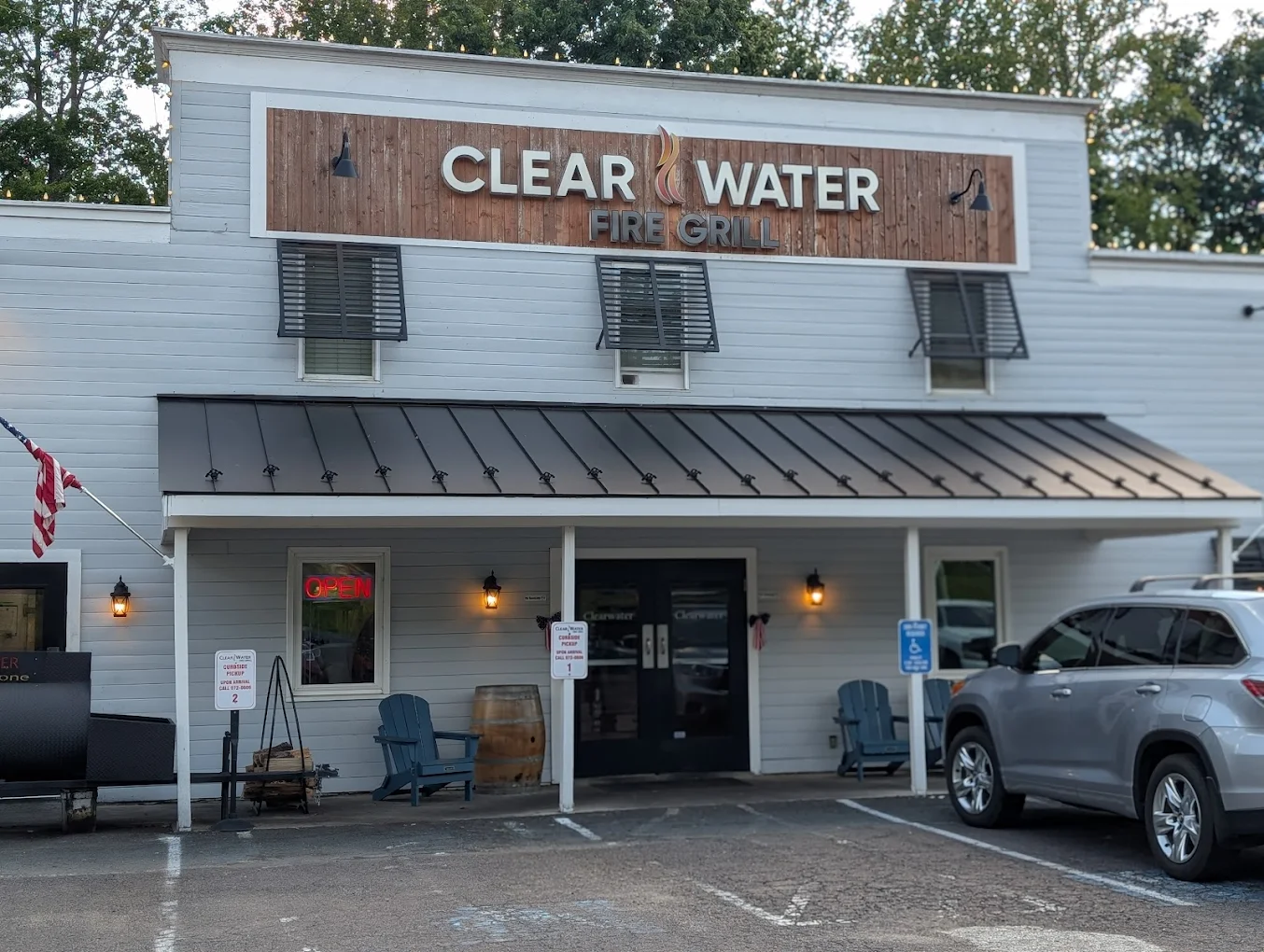
Clearwater Fire Grill Remains a Steady Presence in Locust Grove
March 2, 2026
Coopers Cookin’ & Catering Connects Orange to a Reconstruction Era Food Tradition

March 2, 2026
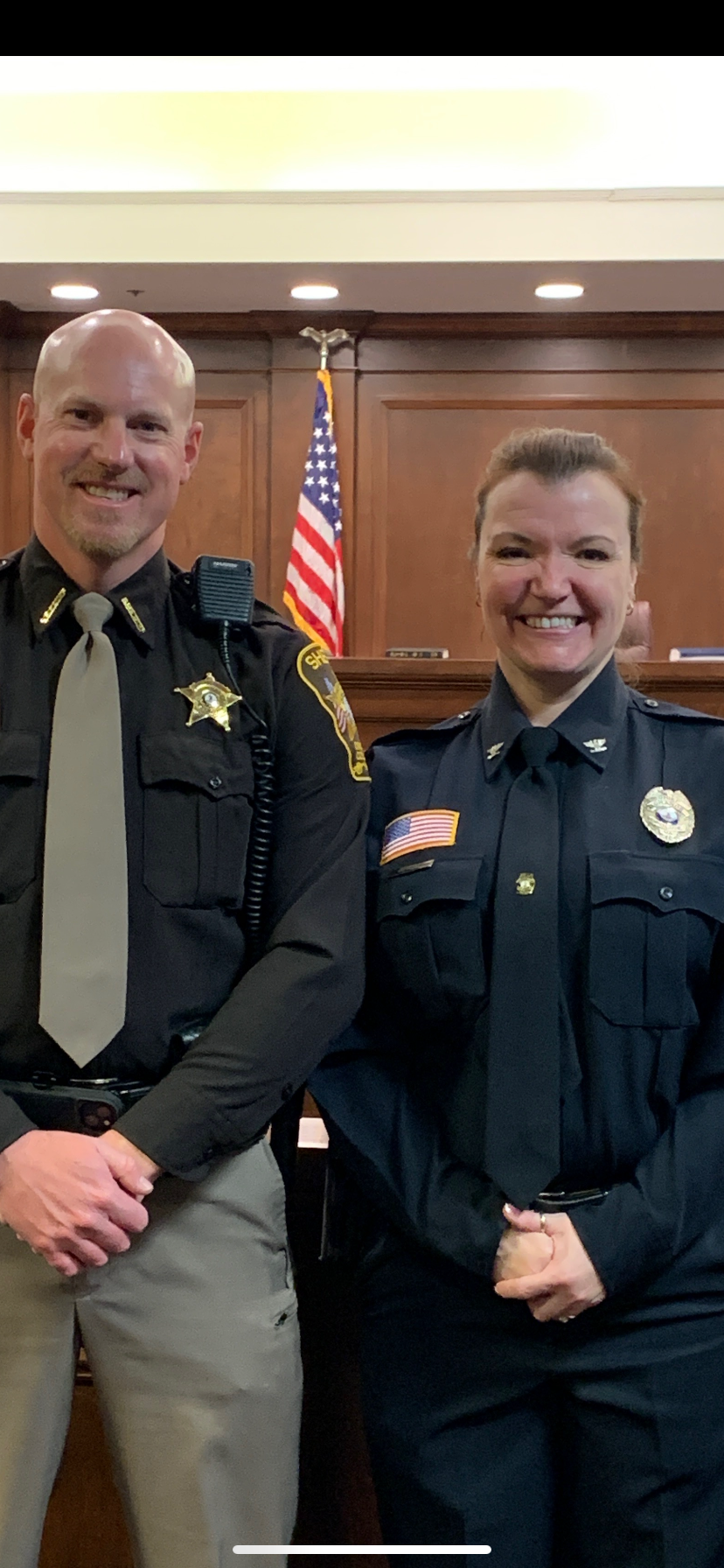
New Police Chief, New Town Manager Mark a Shift in Orange Leadership
March 2, 2026
From 3 to 7%: How Mortgage Rates Reshaped the Housing Market and What it Means for 2026

Welcome to Orange, VA!
Nestled in the heart of Virginia lies a town brimming with historical significance and cultural vibrancy—Orange, VA. Imagine stepping into a place where every corner tells a different story and every street takes you on a journey through time. That’s the magic of Orange! From its picturesque landscapes to its charming architecture, this town is not just another dot on the map; it’s a treasure trove of memories and milestones that shaped the very fabric of American history.
Take a Step Back in Time
As we embark on this journey together, think about how the early settlers, brave soldiers, and creative thinkers breathed life into this vibrant community. With each twist and turn, we’ll explore the key events and figures that left their mark on this fascinating town. Have you ever wondered how a small place like Orange could play a major role in the story of our nation? Well, you’re in for a treat as we unravel its storied past!
Let’s dive into the rich tapestry of Orange and discover how its unique identity has been shaped by the people who came before us. Whether you’re a history buff or a curious traveler, get ready to uncover the wonders of Orange, VA—a town where the past and present beautifully collide!
The Birth of a Town: Founding and Early Days
The story of Orange, Virginia, begins with the indomitable spirit of early explorers who ventured into these lush landscapes long before the town was officially established. It was during the late 17th century that adventurous souls set their sights on this fertile region, enticed by the lush rolling hills and the promise of prosperity. Those explorers laid the groundwork for what would soon emerge as a thriving settlement. With names still resonating through the whispers of history, figures like Colonel James Madison ventured into the area, lured by its beauty and potential.
In honor of Prince William of Orange, the town was aptly named, reflecting both its British heritage and the recognition of the prince’s role in the Glorious Revolution which sought to establish constitutional governance in England. The name symbolizes a bridge between cultures and the evolving identity of the town as it grew from outpost to community.
However, it was not until 1734 that the legal framework for Orange began to take shape with the issuance of the Town Charter. This pivotal document was integral to the town’s development; it not only delineated the boundaries of the settlement but also granted local governance, laying the foundation for self-rule and community organization. It recognized the burgeoning population and their need for structured leadership, fostering an environment where local agriculture, trade, and community life could flourish.
Key Events in the Founding of Orange, VA
| Year | Event | Significance |
|---|---|---|
| 1700s | Early Exploration | Explorers and settlers began arriving, paving the way for future communities. |
| 1730 | Town Established | Formation of a community that thrived on agriculture and trade. |
| 1734 | Town Charter Issued | Formal recognition of the town, allowing for local governance and community development. |
| 1750s | Population Growth | Increased migration led to a vibrant, diverse community. |
In the years following the establishment of its Town Charter, Orange grew rapidly. Families settled in, drawn not only by the fertile land but by a sense of camaraderie and shared purpose. The intertwining of souls and stories soon created a unique fabric of life in Orange, making it a cornerstone of early American society.
As we reflect on the humble beginnings and remarkable evolution of Orange, it becomes clear that this town was not merely created in isolation; rather, it was a confluence of peoples, ideas, and determined spirits. The foundation laid in those early years has continued to influence the town’s character and resilience—an invaluable lesson as we turn the next page into its role as a strategic center in the times of turmoil and triumph.
A Strategic Center: Orange VA in Wars
As we delve deeper into the historical tapestry of Orange, Virginia, its significance becomes palpably intertwined with the tumultuous events that shaped the nation. The strategic location of this charming town made it a key player during both the American Revolutionary War and the Civil War, serving as a nexus for campaigns and a refuge for soldiers and civilians alike. Its rolling hills and favorable geography lent themselves to military maneuvers and strategic planning, which would leave a lasting imprint on the town’s legacy.
During the American Revolutionary War, Orange County’s proximity to key routes and its position within the burgeoning Virginia territory positioned it as a formidable stronghold against British forces. Historical records reveal that in 1780, a meeting of the Virginia Assembly convened in Orange—an event pivotal to rallying support for the Revolutionary cause. Local patriot leaders like Colonel William Cabell emerged as heroes, steadfast in their commitment to independence. As troops marched through the rugged terrain of the county, they were met with the unwavering bravery of the Orange citizens, who provided supplies, shelter, and moral support in their quest for freedom.
Fast forward to the Civil War, and once again, Orange found itself at the heart of conflict. Situated strategically between the Union and Confederate lines, the town witnessed a series of significant battles that would etch its name into the annals of American history. The nearby Wilderness Battlefield was the site of one of the fiercest clashes in 1864, where both Union and Confederate soldiers fought mercilessly for control. The tales of local figures like General James Longstreet, who headquartered his troops in the area, add a personal touch to the historical narrative. These military leaders, while part of larger national battles, were profoundly influenced by the landscapes and communities surrounding them.
The rich soil and fertile farmland served not only as sustenance during these conflicts but became a backdrop for countless stories of heroism and sacrifice. Accounts of ordinary townsfolk who helped nurses wounded soldiers reveal the remarkable strength of the human spirit in desperate times. Whether it was providing food to soldiers or burying the deceased, their contributions were vital to the war efforts and echo through history. Names like Clara Barton, who set up makeshift hospitals in Orange, signify the powerful impact the town had in nurturing not just soldiers, but morale during these challenging times.
As we explore the strategic center that Orange became during these wars, it is essential to spotlight the courageous individuals, both famous and unsung, whose legacies continue to inspire. Their stories remind us of the tangled paths of war and peace, highlighting the role Orange played not just as a backdrop, but as a determined participant in the fight for freedom and unity. This historical significance has forged an identity integral to the town’s fabric, leading us to understand how the economy and community life evolved in the years following these remarkable chapters.
As the dust of war settled over Orange, Virginia, the resilience of its residents echoed through the landscape, leading to a transformation that would ultimately pivot the town towards agricultural prosperity and economic development. The scars of conflict gradually healed, giving rise to a new identity marked not by the struggles of the past, but by the fertile promise of its land and the ingenuity of its people.
Historically rooted in the plantation economy, Orange’s agrarian focus shifted dramatically post-Civil War. The large estates that once thrived on enslaved labor transitioned into family-owned farms, indicative of a broader societal change that emphasized small-scale, sustainable agriculture. This shift not only altered the demographics of the region as former enslaved individuals became landowners but also redefined the social fabric of Orange. Gone were the days when wealth was concentrated in the hands of a few; the land began to be cultivated by those who called it home, forging a deeper connection between farmers and the earth they tended.
The economic transformations from the 19th to the 21st century reflect this evolution in agricultural focus. Initially, crops such as tobacco and cotton dominated the landscape, staples of a cash crop economy that provided substantial profits but often at a cost to soil health and community sustainability. However, as the nation entered the 20th century, a recognition of the need for diverse agricultural practices emerged. Farmers began to explore alternative crops and practices that emphasized ecological sustainability. This burgeoning movement laid the groundwork for the present-day emphasis on organic farming and local markets, fostering a renewed commitment to community-supported agriculture.
By the late 20th century, Orange witnessed a renaissance of sorts; the agrarian economy became interlaced with a thriving tourism industry. The scenic backdrop of rolling hills, vibrant farmland, and rich historical narratives drew visitors eager to explore Virginia’s storied past and thriving local culture. Farmers’ markets sprang to life, offering a wealth of fresh produce, artisanal goods, and, most importantly, stories—each product connecting consumers to the folks who tended the soil. This circular economy fortified the bond between residents and visitors, blending historic appreciation with modern consumer habits.
As we peer into the 21st century, it becomes clear that agriculture remains a cornerstone of Orange’s economic vitality. Local farmers and entrepreneurs are not just cultivating crops but are also nurturing a culture of sustainable practices and economic resilience. The vineyards and farms that adorn the outskirts of town stand testament to a vibrant community dedicated to preserving both their agricultural heritage and thriving in an ever-evolving marketplace. Investments in agritourism, food craftsmanship, and cooperative markets reflect a commitment to innovation alongside tradition, providing fresh avenues for economic development while honoring the past.
In this intricate dance of history and economy, Orange, Virginia, exemplifies how a community can rise from its turbulent past, transforming scars into strength. The legacy of agriculture serves not only as a means of sustenance but as a testament to the resilience and ingenuity of its people—a narrative that continues to unfold as Orange solidifies its identity as a thriving agricultural hub, poised for future growth while honoring the rich tapestry of its past. As we turn our gaze towards the cultural influence of this vibrant town, we find that its architectural and artistic heritage is yet another thread woven into this dynamic community fabric.
As we explore the cultural influence that enriches Orange, Virginia, the architectural and artistic heritage emerges as an indelible hallmark of the town’s identity. Walking down its tree-lined streets, visitors can’t help but be enchanted by the historical buildings that narrate tales of yesteryear, each structure a testament to the craftsmanship and architectural prowess that defined the era in which they were built. The distinctive styles vary from the stately Federal homes with their simple yet elegant symmetry to the ornate Victorian designs bursting with intricate details. These architectural wonders are not merely remnants of the past; they are vital components of the town’s contemporary landscape, serving as both a celebration of history and a tangible expression of community pride.
| Architectural Style | Features | Historical Significance |
|---|---|---|
| Federal | Simplicity, rectangular shape, symmetrical windows | Popular in the early 19th century, symbolizing the new American spirit. |
| Victorian | Ornate details, asymmetrical designs, vibrant colors | Reflects the prosperity of the post-Civil War era and the rise of the middle class. |
| Colonial Revival | Classic gable roofs, brick exteriors, decorative columns | Emphasizes a return to traditional American roots in the early 20th century. |
Beyond these physical structures, the impact of the arts and crafts within Orange has helped to foster a vibrant local culture. Artisans have resided in the community for generations, drawing upon the rich historical narratives surrounding them to create works that resonate deeply with both local residents and visitors alike. From hand-blown glass and hand-carved furniture to vibrant paintings capturing the bucolic landscapes, the spirit of craftsmanship is alive and well in Orange. Local art galleries and craft fairs celebrate this flourishing creative scene, showcasing the talents of those dedicated to perpetuating traditional techniques while incorporating contemporary themes that speak to today’s cultural conversations.
Yet, the heartbeat of Orange’s cultural heritage is not solely defined by its historical buildings or artistic endeavors; it is fundamentally tied to the town’s unwavering commitment to preserving its past. Various community initiatives have emerged, driven by passionate residents and local organizations dedicated to protecting the architectural integrity of homes and public spaces that hold stories of the past. Preservation efforts have given rise to historical societies and heritage groups that advocate for the safeguarding of these irreplaceable assets, ensuring that future generations will be able to experience the essence of Orange as it once was. The annual Heritage Festival serves as a vibrant showcase of this commitment, where the community comes together to celebrate its history through music, storytelling, and arts and crafts.
As tourism flourishes, so too does the role of heritage tourism, with visitors increasingly drawn to Orange for its rich narratives and historic ambiance. The town’s unique blend of agricultural charm and historical virtues has become a potent attraction for those eager to experience authentic Virginia culture. An increasing number of guided tours, historic reenactments, and heritage trails invite visitors not just to witness, but to actively engage with the town’s legacy. This burgeoning interest in the past provides a vital economic boost, transforming the way locals interact with their community and presenting opportunities for entrepreneurs and small businesses to thrive in this arena. In fostering both a sense of belonging and a connection to history, Orange successfully intertwines the essence of the past with the vibrancy of modern life, creating a setting where growth is met with stewardship.
Modern Orange, VA, has emerged as a quintessential example of a community that values both the leap into the future and a respectful nod to its roots. In navigating this delicate balance, the town exemplifies how growth can harmoniously coexist with historical preservation. Local government and dedicated non-profits have initiated programs aimed at aligning development with heritage concerns, ensuring that new projects complement the existing aesthetic and cultural fabric of Orange. By integrating updated infrastructure and innovative urban planning techniques while respecting historical site boundaries, authorities are paving the way for a sustainable and vibrant town.
Among the standout initiatives is the “Preserve Orange” campaign, which encourages residents to participate in community-led efforts that both celebrate and protect the town’s distinctive architectural character. Workshops and town hall meetings invite community members to participate in planning sessions, voicing their ideas on how to sustain Orange’s unique identity in the face of modern challenges. Strategies, such as incentivizing property owners to restore and maintain historical buildings, promote an authentic character that continues to draw potential tourists eager to explore the very essence of Virginia’s history.
The role of heritage tourism has become pivotal in driving Orange’s economy, as visitors are captivated by its charming streets and storied past. Historical markers dot the landscape, each unveiling an aspect of the town’s heritage that once shaped the nation, transforming mere curiosity into a meaningful experience. The local economy is benefitting immensely; shop owners and restaurateurs report a significant uptick in business due to the influx of tourists drawn to the rich stories embedded in the town’s architecture. Visitors often find themselves savoring a meal made with locally sourced ingredients after taking part in a historical walking tour, seamlessly intertwining their experiences with the community’s cultural fabric. Businesses have begun to cater specifically to this interest, offering immersive experiences such as cooking classes, artisan workshops, and historical reenactments that deepen the engagement between visitors and the town’s heritage.
Moreover, the symbiotic relationship between residents and visitors enhances the town’s communal feel, as many find themselves sharing stories that transcend generations, instilling a collective sense of pride and responsibility for heritage stewardship. Annual events like the “Historic Orange Experience” allow visitors to immerse themselves in history, effectively bridging the gap between past and present. Through these events, Orange aims not just to recount its past, but to keep it alive, ensuring that the stories of those who came before continue to inspire ongoing dialogue and creativity.
As the sun sets behind the rolling hills of Virginia, casting a warm glow on the historic buildings that stand as pillars of the community, it becomes evident that Orange is more than just a town rich in history—it’s a thriving hub of culture, commitment, and creativity. Here, modern convenience blends effortlessly with the whispers of the past, inviting explorers, historians, and enthusiasts alike to partake in a rich tapestry that tells America’s defining moments. With every brick laid, every festival celebrated, and every artisan’s creation displayed, Orange, VA, stands resilient, poised for the future while honoring the resilience and lessons learned from its storied past.
When it comes to the history of Orange, VA, questions abound, particularly regarding its significant role in shaping both local and national narratives. As we continue our exploration of this dynamic town, let’s delve into some frequently asked questions that illuminate the fabric of Orange’s historical significance.
What significant battles were fought near Orange, VA?
Orange County, rich in military history, was at the crossroads of several pivotal Civil War battles. Notably, the Battle of Cedar Mountain, which took place on August 9, 1862, was a key engagement during the Northern Virginia Campaign. The Union and Confederate forces clashed fiercely, resulting in a tactical victory for General Stonewall Jackson’s troops, although the battle did not lead to a decisive outcome in favor of either side. The repercussions of this and other local battles had profound effects on the community, influencing both its demography and landscape.
How did Orange, VA contribute to the Revolutionary War?
Even before its establishment, Orange played a role in the early stirrings of independence. The area served as a gathering point for Revolutionary War figures and patriots who sought to unify their cause against British rule. Notably, it was home to significant leaders such as James Madison, who would go on to become the fourth President of the United States. Local taverns and homes served as meeting houses where strategies for resistance were discussed, making Orange an understated yet vital player in the fight for American independence.
What are the key historical sites to visit in Orange, VA today?
The town boasts a variety of historical sites that beckon visitors, eager to learn about its illustrious past. The Madison-Barbour Rural Historic District is not to be missed, featuring beautifully preserved antebellum homes and landscapes that offer a glimpse into the life of Virginia’s gentry. The historic Orange Train Station, which dates back to the late 1800s, stands as a testament to the town’s early transportation development. Additionally, the Civil War Museum, located in the former New Hope Baptist Church, provides educational exhibits and artifacts essential for contextualizing the town’s Civil War narrative.
How has the economy evolved since the town’s founding?
Orange’s economy has undergone significant transitions since its founding in 1734. Originally centered on agriculture, particularly in tobacco and wheat, the economy began diversifying in the 19th century with the introduction of railroads facilitating trade and travel. As industrialization swept through the region, local commerce expanded, setting the stage for what would eventually become a vibrant mix of small businesses drawing on both historical appeal and modern consumer interests. Today, agricultural tourism, dining, and boutique shopping thrive, bolstered by the town’s growing reputation as a destination for heritage tourism.
Understanding these elements showcases the resilience and adaptability of Orange, VA, as it honors its history while embracing the future. With its blend of historical intrigue and modern vibrancy, Orange stands as a hub for storytelling, allowing each visitor to become a part of its ongoing narrative. Whether strolling through historic districts, participating in reenactments, or dining at locally owned establishments, the past echoes through present experiences, inviting everyone to take part in shaping the legacy of this remarkable town.
“`
In the heart of Orange, Virginia, time seems to flow like the nearby Rapidan River—steady, yet ever-changing. Each street corner holds a whisper of history, inviting those who walk its paths to uncover narratives woven into the very fabric of the town. Here, the air is thick with stories: of the Revolutionary War, where soldiers once marched and strategized; of the rich agricultural heritage that shaped the local economy; and of the Civil Rights Movement, which saw courageous citizens stand for equality and justice. These moments are not merely echoes of the past—they are the very backbone of the community’s identity.
As explorers roam the brick-paved streets, they encounter landmarks such as the historic courthouse and the elegantly preserved former homes, each echoing sentiments of resilience. Art galleries and boutique shops reside in these time-honored structures, allowing contemporary artists to showcase their work while maintaining the sanctity of Orange’s architectural integrity. This thoughtful integration fosters a dialogue between eras, where modern creativity finds its roots in traditions that have stood the test of time.
Moreover, Orange’s commitment to education ensures that history remains a vibrant part of the community’s future. Local schools incorporate lessons that celebrate the town’s heritage, allowing young minds to grasp the significance of the events that shaped not just Orange, but the nation as a whole. Field trips to the local museums and historical sites inspire pride in students, creating a generation that values the importance of preserving history while boldly stepping into tomorrow.
Every September, the “Heritage Festival” invites citizens and visitors to partake in a celebration of arts, crafts, music, and food rooted in Orange’s past. This lively event is more than just entertainment; it serves as a poignant reminder of the town’s commitment to honoring its rich diversity and communal spirit. Attendees are treated to traditional performances, tantalizing regional delicacies, and exhibitions showcasing the craftsmanship that has defined the area for generations. As laughter, melody, and nostalgia fill the air, one can see how the people of Orange not only embrace their legacy but carry it forward with enthusiasm.
The town’s resilience is reflected not only in the preservation of its structures but also in its robust community spirit. Organizations like the Orange Chamber of Commerce are proactively engaging local business owners, encouraging collaborative projects that foster economic development while promoting heritage awareness. Initiatives that spotlight local artisans and businesses often find themselves interlinked, as they highlight the unique offerings that contribute to Orange’s character, inviting collaboration that benefits everyone involved.
As we stand on the cusp of the future, it’s clear that Orange, VA, is not merely resting on the laurels of its historical significance. Instead, it is revitalizing its legacy, creating an environment where past and present coalesce in a celebration of resilience, creativity, and community. The stories of its ancestors—whose struggles, victories, and dreams have paved the way—continue to inspire today’s inhabitants. Every new venture and each restored building contribute to a narrative rich with purpose, making Orange a model for towns across America striving to weave their histories into a bright and promising future.
In essence, whether you are wandering through a timeworn cemetery, exploring an artisan’s workshop, or relishing a meal at a local café, the spirit of Orange extends a heartfelt invitation: come and explore a place where history is not merely a chapter closed but an ongoing story, waiting to be retold time and time again.
“`
Hi! I’m Jennifer Bailey and I partner with entrepreneurs who have massive ideas that could change the world. Most marketing is meaningless. Filled with empty promises, its only job is to bring in new traffic, new leads, and new customers. But I’ve drawn a line in the sand, and I’ve learned that marketing can do so much more than reach business goals and build profit. My methods give businesses the fire and soul they need to reach the right people, set the groundwork for sustainable relationships, and offer true value to the people on both the giving and receiving ends of marketing.
Subscribe for Updates
Sponsors
latest articles
March 2, 2026
Cowgirls (and Boys) Become Weekend Phenomenon at Unionville Brewery
March 2, 2026
County Program Launches Outdoor Adventure Series
March 2, 2026
Clearwater Fire Grill Remains a Steady Presence in Locust Grove
March 2, 2026
Coopers Cookin’ & Catering Connects Orange to a Reconstruction Era Food Tradition
March 2, 2026
New Police Chief, New Town Manager Mark a Shift in Orange Leadership
March 2, 2026
From 3 to 7%: How Mortgage Rates Reshaped the Housing Market and What it Means for 2026
Coopers Cookin’ & Catering Connects Orange to a Reconstruction Era Food Tradition
Newly relocated at 141 Caroline Street in Orange, Coopers Cookin’ & Catering serves Southern staples rooted in a family history…
Article By Judi Cooper
New Police Chief, New Town Manager Mark a Shift in Orange Leadership
The Town of Orange opened 2026 with a series of major leadership changes, headlined by the appointment of Rebecca Davis…
Article By Judi Cooper

The OCHS Alumni and Friends Foundation Part Two: Interview with Founder Bill Hager
It is often said that graduation is not the end, but the beginning of a lifelong relationship with one’s alma…